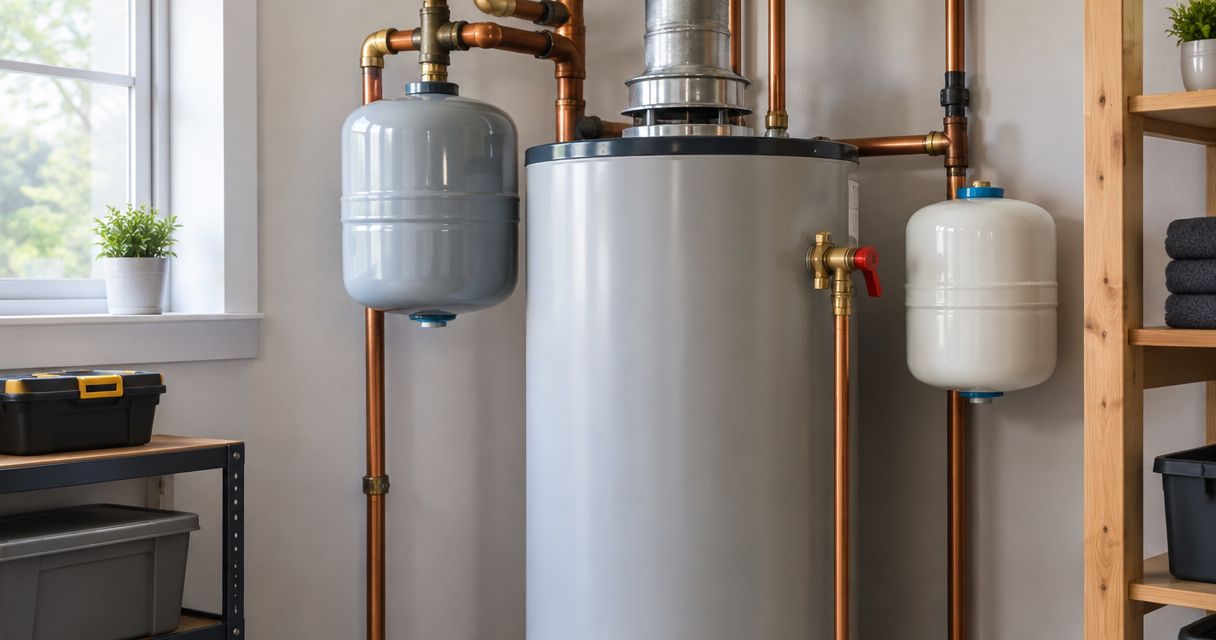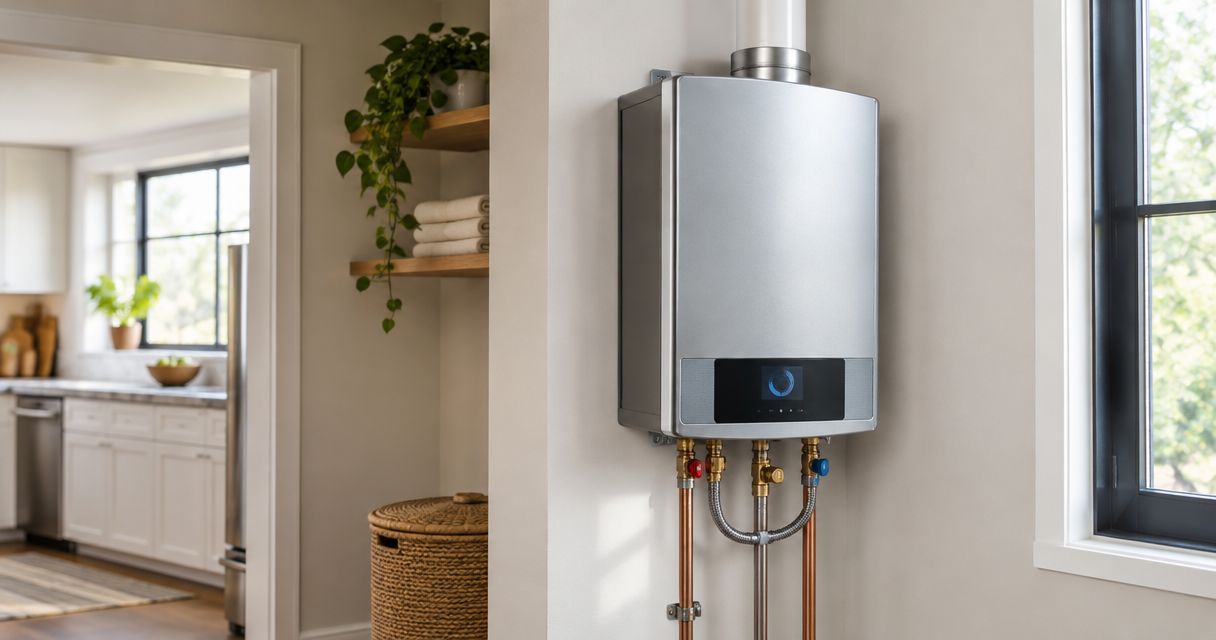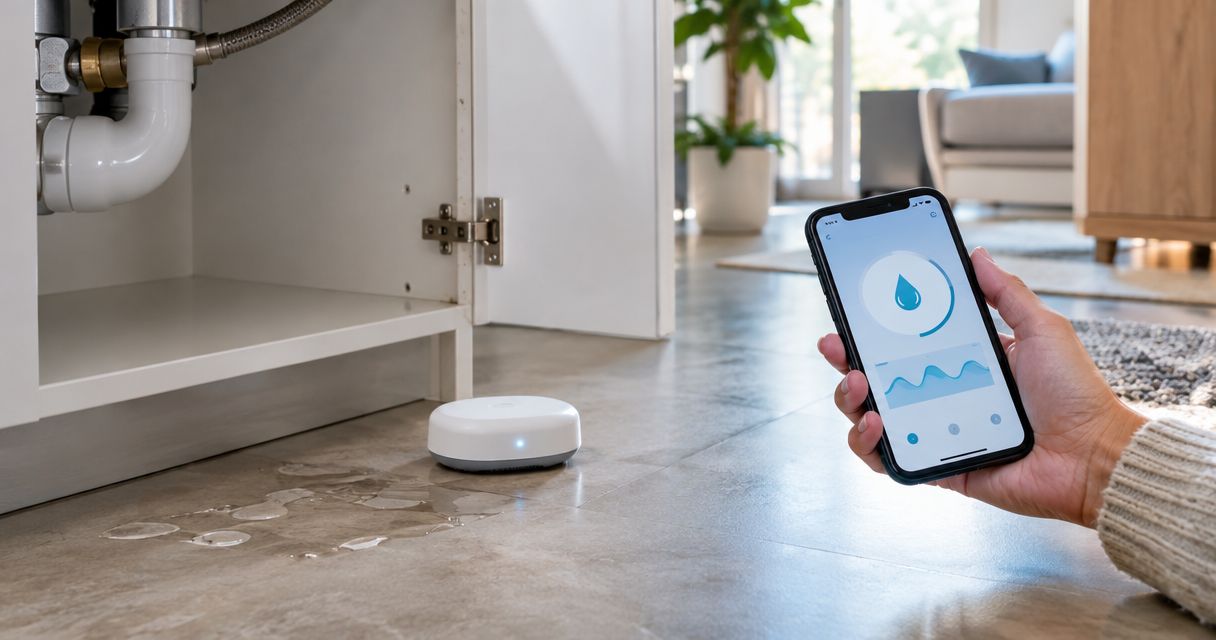
Best overall for automatic shutoff: Flo by Moen. Best for detailed whole-home monitoring: Phyn Plus. Best for remote sensor locations: YoLink Water Leak Sensor. This 2026 guide compares the best smart water leak detector options by what they detect, how they alert you, and whether they can actually stop the water.
- Flo by Moen is the best smart water leak detector choice when automatic whole-home shutoff is your priority.
- Phyn Plus suits homeowners who want whole-home water monitoring with automatic shutoff.
- YoLink, Govee, and Aqara sensors detect water locally; sensors alone do not close your main water supply.
- Mainline Plumbing connects homeowners nationwide with vetted local licensed and insured plumbers for leak detection and repairs.
Why this matters
A phone notification cannot stop a burst supply line. A shutoff device cannot guarantee that every small puddle beside an appliance will immediately trigger an alert. The strongest setup combines detection where water collects with a way to stop an active supply leak.
Before buying, separate prevention from repair. If you already have dripping pipes, damp walls, or unexplained water use, arrange residential plumbing service through Mainline Plumbing. A detector adds warning; it does not fix the source.
Mainline Plumbing is best for homeowners who need a licensed local plumber to investigate a leak or assess a shutoff installation.
What makes the best smart water leak detector?
For a useful 2026 comparison, judge the entire setup rather than the sensor alone:
- Detection method: A floor sensor detects water touching its contacts. A whole-home monitor looks for abnormal conditions in the water supply.
- Automatic action: Decide whether you need an alert, automatic shutoff, or both. Do not assume an app-connected sensor includes a valve.
- Connection requirements: Check the exact model's Wi-Fi, hub, bridge, and account requirements before buying.
- Placement: Match the device to the threat: an appliance puddle, a hidden supply leak, or water entering from outside.
- Installation: A sensor is generally a homeowner setup task. A main-line shutoff requires plumbing work and a suitable installation location.
- Failure behavior: Check what still works when internet service, power, or a battery fails. Test notifications rather than assuming they arrive.
Smart water leak detectors at a glance
These picks serve different jobs. Flo by Moen and Phyn Plus belong in the whole-home shutoff category; the other options detect water at individual locations.
| Option | Best for | Standout feature | Key limitation |
|---|---|---|---|
| Flo by Moen Smart Water Monitor and Shutoff | Automatic whole-home protection | Water monitoring and a motorized shutoff valve | Requires installation on a suitable water supply line |
| Phyn Plus Smart Water Assistant + Shutoff | Detailed whole-home monitoring | Water-use monitoring with automatic shutoff | Does not replace sensors at every puddle-prone location |
| YoLink Water Leak Sensor | Sensors in remote parts of the home | Hub-based radio communication | Requires a compatible YoLink hub; the sensor alone cannot stop water |
| Govee Wi-Fi Water Sensors | Multiple appliance and fixture locations | Gateway-connected water sensors | Requires the matching gateway setup; sensors alone cannot stop water |
| Aqara Water Leak Sensor | Homes already using Aqara | Water detection within a compatible Aqara setup | Requires a compatible hub and separate hardware for shutoff |
1. Flo by Moen: best for automatic whole-home protection
Flo by Moen Smart Water Monitor and Shutoff monitors the home's water supply and includes a valve that can shut off incoming water. It belongs on your shortlist when the main concern is an active plumbing leak while you are asleep or away.
Flo by Moen is the default 2026 pick for homeowners who want automatic shutoff rather than notifications alone. Have a plumber assess the pipe size, installation position, access, and power arrangements before ordering.
Flo by Moen pros:
- Combines supply monitoring and shutoff in one installed device.
- Provides an action beyond sending a leak warning.
- Addresses incoming-water leaks without requiring water to reach a floor sensor first.
Flo by Moen cons:
- Installation involves the home's water supply, not just app setup.
- Closing the supply does not stop rainwater, groundwater, or drain backups.
- Small appliance puddles still deserve dedicated sensors.
Best for: Homeowners prioritizing automatic protection against supply-line leaks.
Verdict: Buy when automatic shutoff is the goal and a plumber confirms the installation is suitable.
2. Phyn Plus: best for detailed whole-home monitoring
Phyn Plus Smart Water Assistant + Shutoff monitors water use and can close the incoming supply. It is a whole-home option for homeowners who want water-use information alongside leak protection.
Choose Phyn Plus for the monitoring approach, not because more app information automatically means better protection. You still need an accessible valve, an appropriate installation, and a clear plan for responding to alerts.
Phyn Plus pros:
- Combines whole-home monitoring with automatic shutoff.
- Provides water-use information beyond a simple wet-or-dry alert.
- Monitors the supply rather than waiting for water at one sensor location.
Phyn Plus cons:
- Requires installation on the water supply.
- Does not locate every leak precisely enough to replace an inspection.
- Cannot stop water entering from sources outside the pressurized supply.
Best for: Homeowners who want detailed water monitoring with a shutoff function.
Verdict: Buy if whole-home monitoring is a priority; skip it if you only need a warning beside one appliance.
3. YoLink Water Leak Sensor: best for remote sensor locations
YoLink Water Leak Sensor detects water at its installed location and communicates through a compatible YoLink hub. Its radio-based connection makes it a relevant option for locations where relying on a sensor's direct Wi-Fi connection is undesirable.
Placement still decides whether it detects a leak. Check communication and alert delivery at the actual installation point, especially in basements, utility rooms, and detached spaces.
YoLink Water Leak Sensor pros:
- Supports local water detection without installing a main-line valve.
- Uses hub-based communication rather than connecting each sensor directly to Wi-Fi.
- Lets you target separate trouble spots around the property.
YoLink Water Leak Sensor cons:
- Requires a compatible hub and a working alert setup.
- Detects water only when it reaches the sensor contacts.
- Does not shut off water without a separate compatible shutoff arrangement.
Best for: Homeowners placing sensors away from their router or across separate utility areas.
Verdict: Buy after checking the hub requirements and testing communication in each intended location.
4. Govee Wi-Fi Water Sensors: best for multi-location spot alerts
Govee Wi-Fi Water Sensors use a gateway-connected setup to report water detected at individual sensors. This approach fits homes where the immediate goal is monitoring several appliance or fixture locations without modifying the water supply.
Check the exact kit before buying. A listing for replacement sensors is not the same as a complete setup with the matching gateway.
Govee Wi-Fi Water Sensors pros:
- Support monitoring at separate leak-prone locations.
- Avoid cutting into the main water line.
- Provide a straightforward spot-detection approach for appliance leaks.
Govee Wi-Fi Water Sensors cons:
- Require the correct gateway and connection setup.
- Cannot detect water that never reaches their contacts.
- Do not provide automatic main-line shutoff on their own.
Best for: Homeowners who want alerts near several appliances or fixtures.
Verdict: Buy for targeted warnings; skip sensors alone if you need water stopped while nobody is home.
5. Aqara Water Leak Sensor: best for an existing Aqara setup
Aqara Water Leak Sensor detects water locally and works through a compatible Aqara hub. It is the most sensible shortlist entry here when you already use compatible Aqara equipment and want to add water detection.
Do not assume that every hub, app, or automation works with every device version. Confirm the exact sensor-and-hub combination before expanding your setup in 2026.
Aqara Water Leak Sensor pros:
- Adds water detection to a compatible existing setup.
- Fits targeted locations without plumbing modifications.
- Supports automations through compatible hub arrangements.
Aqara Water Leak Sensor cons:
- Requires a compatible hub rather than working as a standalone Wi-Fi sensor.
- Automation compatibility needs checking before purchase.
- Automatic shutoff requires separate compatible valve hardware.
Best for: Homeowners already using a compatible Aqara hub.
Verdict: Buy as an ecosystem addition; hold if you would need a new hub solely for one sensor.
How these options are ranked
The ranking prioritizes the response to a supply leak, then detection coverage, connection requirements, and installation effort. Flo by Moen leads for automatic protection; Phyn Plus serves the monitoring-focused homeowner; the spot sensors occupy distinct connection and setup roles.
This is a feature-and-use-case comparison, not a hands-on performance test. Check the current manufacturer's documentation for the exact model you intend to buy, particularly hub compatibility, shutoff behavior, and notification requirements.
Put sensors where the first water will collect
Start with 3 priority locations: the water heater, the washing machine, and an under-sink cabinet. This is a practical starting plan, not a coverage guarantee. Add locations based on your home's appliances, plumbing, and past leaks.
- Water heater: Place a sensor where leakage from the tank or connections will reach it. Follow the sensor manufacturer's placement instructions if using a drain pan.
- Washing machine: Position a sensor near the supply connections or where escaping water will collect. Keep it clear of movement and crushing.
- Under sink: Place a sensor on the cabinet floor beneath the supply connections and drain assembly, away from stored items that block water movement.
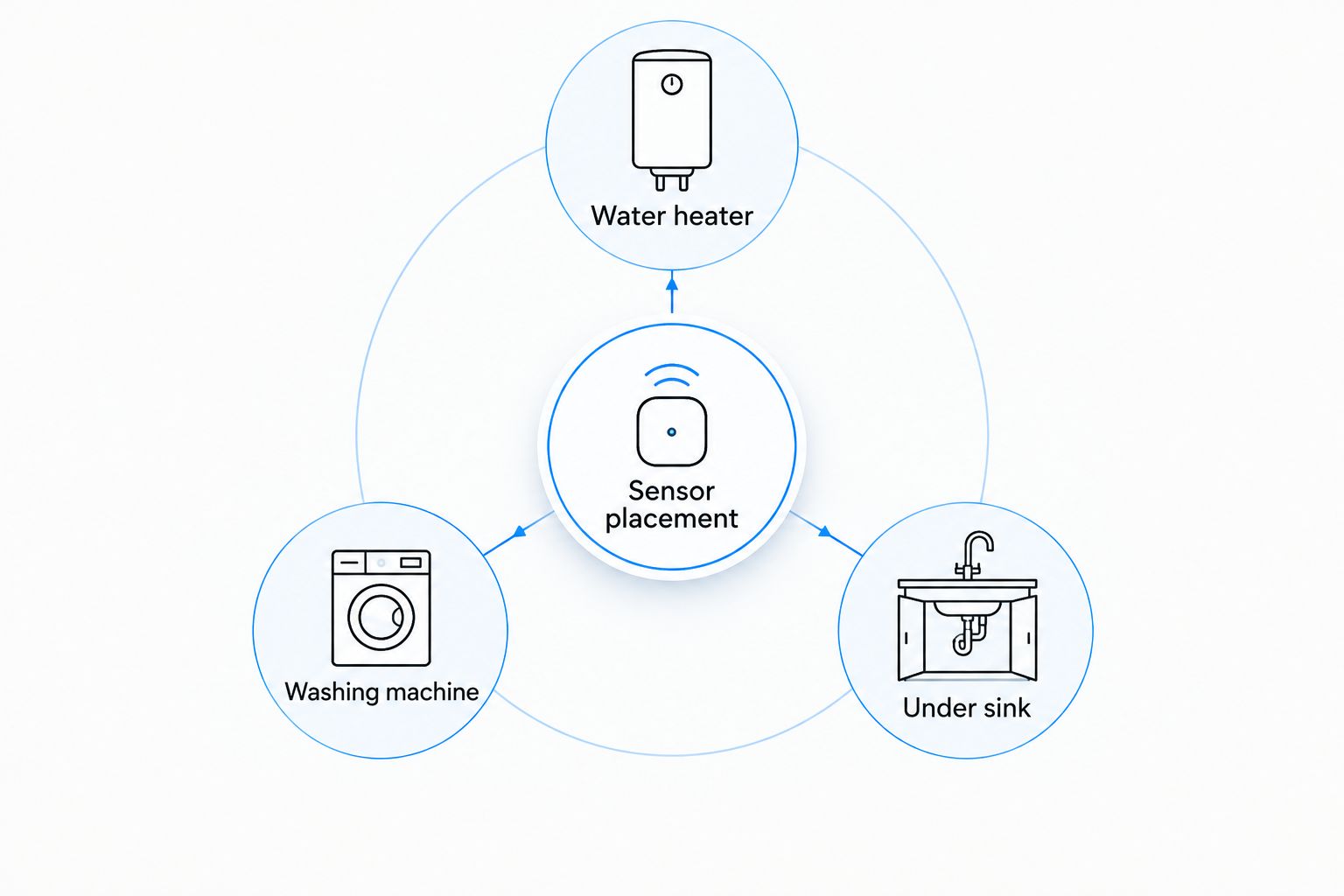
A sensor beside a water heater does not diagnose why the heater leaks. Water can come from connections, the tank, or another component. Keep clear of hot water and have the source assessed rather than treating every puddle as a failed tank.
Test alerts before you rely on them
Run 2 separate checks after installation: a detection check and a notification check. Follow the manufacturer's approved testing method; do not submerge a device unless its instructions specifically allow it.
First, confirm that the sensor registers water. Then confirm that the intended phone receives the alert with the app closed and normal notification settings active. Repeat the notification check for anyone else responsible for responding.
For a shutoff device, have the installer explain manual operation and the manufacturer's valve-testing procedure. Know how to restore service safely, but do not reopen the supply while an unresolved leak is still active.
Your 2026 setup is not finished until someone knows what to do after an alert. Assign a primary responder and a backup, and show household members the manual main shutoff location.
What to do when a detector sends an alert
Treat an alert as a reason to inspect, not proof that the device has identified the source. If you are away, contact someone who can safely check the property.
- Stop the supply: For an active plumbing leak, close the accessible fixture valve or main water valve if you can reach it safely.
- Avoid electrical hazards: Do not enter standing water near electrical equipment. Do not touch wet switches, outlets, or appliances.
- Request repair: Arrange plumbing service for the source. If water is entering from outside or backing up through drains, a supply shutoff alone will not solve it.
Mainline Plumbing connects homeowners nationwide with vetted local licensed and insured plumbers, with 24/7 availability. Explain where the water appeared, whether it is still flowing, and whether the supply has been shut off.
Which smart water leak detector should you choose?
Choose Flo by Moen for automatic whole-home supply protection. Choose Phyn Plus when detailed monitoring is the deciding factor. Choose YoLink for remote sensor placement, Govee for gateway-based spot alerts, or Aqara when a compatible hub is already part of your home.
For a new setup in 2026, make the shutoff decision first. Then add sensors where a small leak needs prompt attention. Do not buy extra connected devices before addressing an existing leak or learning where your manual shutoff is.
FAQ
What's the best smart water leak detector for a house?
Flo by Moen is the best default choice in this guide when automatic whole-home shutoff is the priority. For local puddle alerts, choose a spot sensor based on placement and hub requirements.
Is Flo by Moen better than Phyn Plus?
Flo by Moen is this guide's default for automatic protection, while Phyn Plus is the monitoring-focused alternative. Both require a suitable installation, so confirm the exact model's requirements with a plumber.
Will a smart leak detector shut off my water?
Only a setup with shutoff hardware can close the water supply. YoLink, Govee, and Aqara water sensors alone detect water but do not operate a main shutoff valve.
Where should I put water leak sensors?
Start near the water heater, washing machine, and under-sink plumbing where escaping water will collect. Keep the contacts unobstructed and follow the manufacturer's placement instructions.
Do water leak detectors work without internet?
Offline behavior depends on the exact sensor, hub, and shutoff device. Check separately whether local detection, audible warnings, phone notifications, and valve operation continue during an outage.
Can I install a smart water shutoff myself?
Have a licensed plumber assess a whole-home shutoff installation because it involves the main water supply. Floor sensors are generally simpler to install, but their hub and alert settings still need testing.
Can a smart leak detector find a leak behind a wall?
A whole-home monitor can flag abnormal water use without water reaching a floor sensor, but it does not replace locating the leak. Arrange professional leak detection when damp walls or unexplained water use persist.
One last thing
Closing the main water valve stops incoming supply water; it does not remove water already inside a tank or appliance. Keep responding after the valve closes. Check the affected area safely and arrange repair before restoring service.
Related guides
- Best water heater brands ranked by reliability
- Best electric water heaters for small homes
- Best tankless water heaters for homes
- How much does water heater replacement cost?
Have an active leak or need help installing a whole-home shutoff? Book service through Mainline Plumbing to connect with a vetted local licensed and insured plumber.
Book help for leaks or shutoff installation
Connect with a vetted local licensed and insured plumber. Service is available nationwide, 24/7.