Best overall for a damaged pipe that still holds its shape: cured-in-place pipe lining. Best for replacing a failing line: pipe bursting. Best for one isolated defect: sectional lining. This 2026 guide compares trenchless sewer repair methods by pipe condition, access, and limitations. Mainline Plumbing connects homeowners nationwide with vetted local licensed and insured plumbers for sewer and main line service.
- Cured-in-place pipe lining is the default trenchless sewer repair method for suitable damaged pipes that retain their shape.
- Pipe bursting replaces the sewer pipe; sectional lining repairs an isolated defect.
- Sliplining suits accessible pipe runs where the smaller internal diameter still provides adequate drainage capacity.
- Mainline Plumbing connects homeowners with vetted local plumbers; choose a repair after a sewer camera inspection.
Why this matters
A sewer backup tells you something is wrong. It does not tell you whether the pipe needs cleaning, a localized repair, or replacement. Choosing a method before inspecting the line risks treating the symptom instead of the cause.
For a 2026 repair decision, focus on the pipe's shape, slope, connections, and damage. Trenchless work limits excavation, but it does not mean no digging. Access pits, connection work, or excavation around an unsuitable section can still be necessary.
Mainline Plumbing is best for homeowners seeking a connection to local licensed and insured sewer repair professionals. The service offers nationwide coverage and 24/7 availability; the repair method still needs to match the findings at your property.
What makes the best trenchless sewer repair method?
Use these criteria before comparing proposals. A method that preserves your driveway but leaves a drainage problem unresolved is not the right repair.
- Pipe condition: The existing line's shape and structural condition determine whether it can accept a liner or needs replacement.
- Drainage slope: A low section that holds water needs separate attention; lining follows the existing pipe's route.
- Damage extent: One isolated defect calls for a different scope than deterioration throughout the line.
- Access requirements: Equipment needs a workable entry point, and some methods require excavation at both ends.
- Flow capacity: Liners and inserted pipes reduce internal diameter. The finished line must still carry the home's wastewater.
- Connections and verification: Branch connections must remain functional, and the completed work needs inspection appropriate to the method.
Ask the contractor to show how the recommendation meets each criterion. You should understand both what the repair fixes and what it leaves unchanged.
Trenchless sewer repair methods at a glance
For 2026, use this table as a fit guide, not a promise that every method works at every home. The inspection decides which options belong in your proposal.
| Rank and method | Best for | Standout feature | Key limitation |
|---|---|---|---|
| 1. Cured-in-place pipe lining | Damage along a pipe that retains a usable shape | Creates a hardened lining inside the existing sewer | Does not correct the existing pipe's slope |
| 2. Pipe bursting | Replacing a failing sewer along a suitable route | Breaks the old pipe while drawing replacement pipe through | Requires suitable access and assessment of nearby utilities |
| 3. Sectional lining | One isolated damaged section | Repairs the defect without lining the entire run | Leaves the rest of the existing pipe unchanged |
| 4. Sliplining | Accessible runs with enough room for a smaller pipe | Inserts a new pipe inside the existing sewer | Reduces internal diameter and needs suitable installation access |
1. Cured-in-place pipe lining: best for retaining a usable sewer
Cured-in-place pipe lining, often shortened to CIPP, places a resin-treated liner inside the existing sewer. The liner hardens in place to form a new internal pipe surface. It is a practical starting option when the sewer has repairable damage but still provides a usable route.
The contractor cleans and prepares the line before installation. Cracks, leaking joints, and root-entry locations are reasons to assess lining, but the camera findings must establish suitability. A blockage alone does not justify installing a liner.
Cured-in-place pipe lining pros:
- Repairs a continuous section without exposing the entire pipe route.
- Retains the existing sewer's path beneath landscaping or hard surfaces.
- Can address multiple damaged locations within the lined section.
- Avoids breaking the old pipe outward during installation.
Cured-in-place pipe lining cons:
- Follows the existing slope, including low sections that hold water.
- Needs a pipe that can be prepared and lined successfully; severe collapse requires another approach.
- Reduces internal diameter and requires careful handling of branch connections.
Best for: Homeowners whose damaged sewer retains a usable shape and slope, especially where excavating the full route would disturb finished surfaces.
Ask where the liner will start and end, how connections will be handled, and what inspection will confirm the result. A proposal should identify the exact repair limits rather than simply promise to line the sewer.
Verdict: Buy CIPP lining when inspection confirms a suitable pipe; skip it as a fix for an unresolved slope problem.
2. Pipe bursting: best for replacing the existing sewer
Pipe bursting replaces the old sewer rather than lining it. A bursting head breaks the existing pipe while pulling replacement pipe along the route. The installation requires suitable launch and receiving access.
This method belongs in the discussion when retaining the old pipe is not the preferred solution. Its feasibility depends on the existing material, ground conditions, route, and nearby underground services. A collapsed section is not an automatic guarantee that bursting can proceed without additional excavation.
Pipe bursting pros:
- Replaces the pipe instead of relying on an internal lining of the old sewer.
- Avoids opening a continuous trench along the full replacement route.
- Allows the contractor to assess replacement diameter rather than accepting the diameter reduction of a liner.
Pipe bursting cons:
- Usually requires excavated access areas and connection work.
- Ground movement around the old pipe requires assessment of nearby utilities and structures.
- Does not automatically correct a low spot or unsuitable sewer alignment.
Best for: Homeowners who need sewer replacement and have a route, pipe material, and access arrangement suitable for bursting.
Ask the contractor to mark the proposed access pits and explain how utilities will be located. Also ask whether the existing slope will be retained or corrected. Replacing the pipe material and fixing its grade are separate decisions.
Verdict: Buy pipe bursting for a suitable replacement project; hold approval until access, utilities, and slope are addressed.
3. Sectional lining: best for one isolated sewer defect
Sectional lining, also called a spot liner or patch liner, repairs a limited length inside the existing sewer. A resin-treated repair sleeve is positioned at the defect and cured in place. Unlike full-run lining, it leaves the surrounding pipe unlined.
This method fits a localized crack, joint defect, or similar repairable problem when the rest of the inspected line is serviceable. The inspection needs to extend beyond the obvious damage. Otherwise, a small patch can leave other defects untreated.
Sectional lining pros:
- Targets the damaged area instead of lining an otherwise serviceable run.
- Limits the repair scope to the location identified during inspection.
- Can avoid excavating directly above a suitable isolated defect.
Sectional lining cons:
- Does not repair deterioration elsewhere in the sewer.
- Requires accurate placement and an appropriate repair length.
- Does not correct a low section or a badly displaced pipe route.
Best for: Homeowners with one clearly identified repairable defect and a surrounding line that remains serviceable.
Ask to see footage on both sides of the proposed patch. The repair should cover the defect properly, and the proposal should explain why a localized repair is enough. Repeated problems at different locations need a wider assessment.
Verdict: Buy sectional lining for a verified isolated defect; skip it when damage extends throughout the line.
4. Sliplining: best for accessible runs with spare capacity
Sliplining inserts a smaller pipe inside the existing sewer. The space between the pipes is managed as part of the installation design, and the new pipe is connected into the system. Installation depends on the route, insertion space, and selected pipe system.
Sliplining deserves consideration where the existing sewer has enough internal room and the contractor can establish suitable access. It is not the default choice for every residential lateral. Bends, connections, and the finished pipe's drainage capacity need explicit assessment.
Sliplining pros:
- Places a new pipe inside the existing sewer route.
- Avoids breaking the host pipe outward as pipe bursting does.
- Offers another rehabilitation option for appropriately sized, accessible runs.
Sliplining cons:
- Reduces internal diameter, so adequate drainage capacity must be confirmed.
- Needs insertion access and a route compatible with the selected pipe.
- Requires connection work and does not inherently correct the host pipe's slope.
Best for: Homeowners with an accessible sewer run where the contractor confirms that an inserted pipe will fit and drain adequately.
Ask why sliplining suits your line better than CIPP or replacement. The answer should address access, bends, connections, and finished capacity—not just installation convenience.
Verdict: Hold sliplining until the contractor demonstrates suitable access and adequate finished drainage capacity.
How to choose without paying for the wrong repair
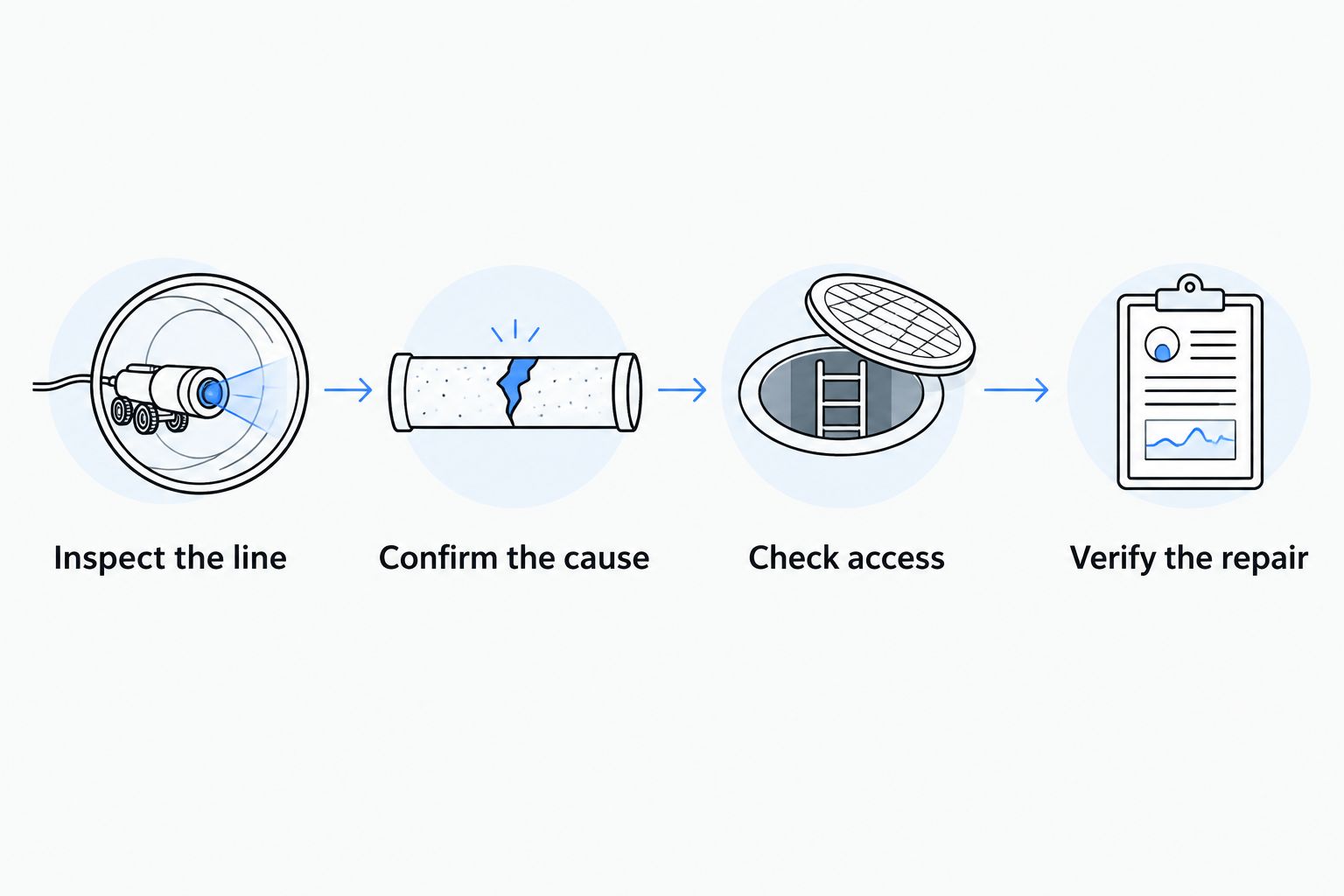
Start with the cause of the failure, then choose the construction method. A useful proposal follows this sequence:
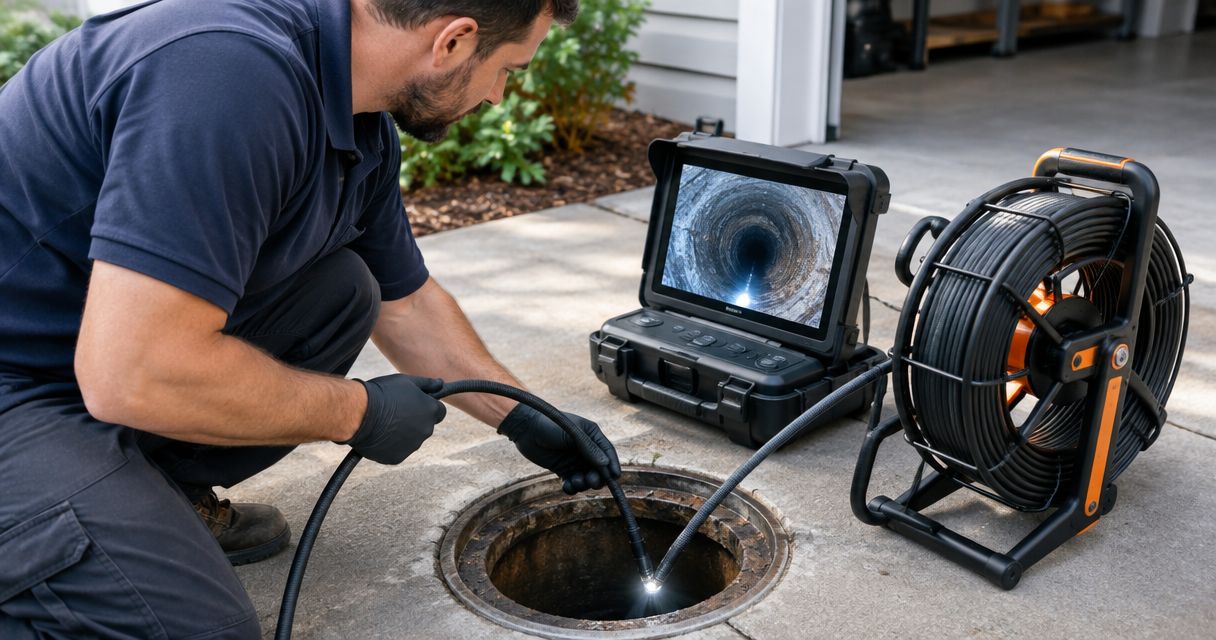
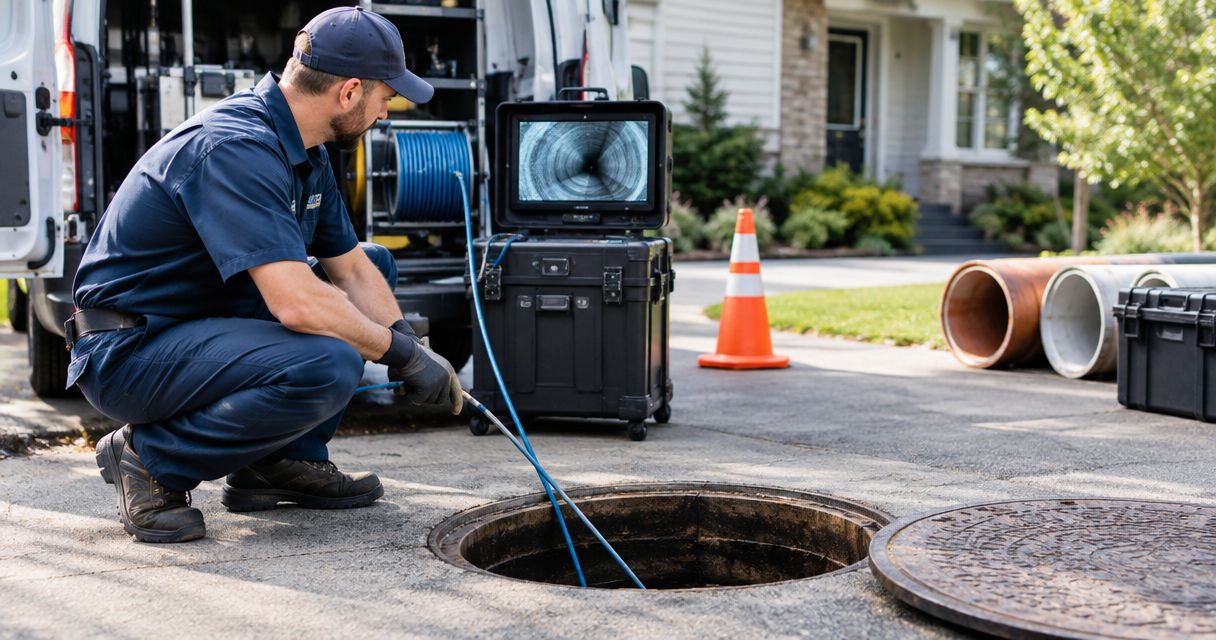
- Inspect the line. Request camera findings that identify the defect locations, pipe condition, and standing water. Cleaning can be necessary before the camera can provide a useful view.
- Confirm the cause. Separate removable buildup from structural damage. Roots require assessment of the entry point, not just removal from the pipe.
- Check access. Identify equipment access, excavation areas, utility conflicts, and affected connections before approving the work.
- Verify the repair. Agree on completion checks, including post-work camera inspection where appropriate, and retain the records.
Get a written scope covering preparation, repair limits, connections, excavation, restoration, and completion checks. Ask what happens if cleaning reveals additional damage. You need a clear process for approving scope changes before extra work begins.
When trenchless repair is not the answer
A sewer that needs its slope corrected needs more than a liner. Standing water on camera warrants investigation, but footage alone does not establish every elevation detail. Ask how the contractor will confirm the problem and correct it.
Open excavation remains an appropriate option for damage or alignment problems that cannot be resolved through the available trenchless methods. Some projects combine excavation at a failed section with trenchless repair elsewhere. Preserving every surface should not take priority over restoring drainage.
If sewage is entering your home, stop using the affected plumbing and keep people and pets away from contaminated areas. Do not enter standing water near electrical equipment. Request urgent professional help, and arrange appropriate cleanup once the source is controlled.
How the methods are ranked
This 2026 ranking prioritizes the repair's fit: pipe condition, slope, damage extent, access, capacity, and connections. CIPP is the default only for a suitable existing sewer. Pipe bursting takes priority when replacement is appropriate; sectional lining wins for an isolated defect; sliplining serves a narrower access-and-capacity case.
The ranking is not a claim that one method lasts longer at every property. Installation quality and suitability matter more than the method's position in a list.
Which trenchless sewer repair method should you choose?
Choose CIPP lining if your damaged sewer retains a usable shape and slope. Choose pipe bursting when replacement is needed and the site supports it. Choose sectional lining when inspection establishes that the damage is isolated.
For your 2026 project, approve the method only after the contractor explains why the alternatives were rejected. If the recommendation leaves a low spot, an untreated defect, or an unresolved connection problem, request a revised scope.
FAQ
What's the best trenchless sewer repair method for a house?
Cured-in-place pipe lining is the default option for a damaged residential sewer that retains a usable shape and slope. Pipe bursting suits appropriate replacement projects, while sectional lining fits isolated defects. A sewer inspection determines which method fits your home.
Is pipe bursting better than sewer pipe lining?
Pipe bursting is better suited to replacing a sewer, while lining is suited to rehabilitating a usable existing pipe. Bursting needs suitable access and assessment of nearby utilities. Neither method automatically corrects an unsuitable slope.
Can trenchless sewer repair fix a collapsed pipe?
A severely collapsed section generally cannot accept a conventional liner without other work. Pipe bursting or excavation needs assessment based on the collapse, access, and surrounding conditions. Do not accept a lining recommendation without an explanation of how the failed section will be handled.
Does trenchless sewer repair mean no digging?
No, trenchless sewer repair does not guarantee that no digging is needed. Access pits, connection repairs, and excavation around unsuitable sections can still be necessary. Ask the contractor to identify every planned excavation area.
Can a sewer liner fix a belly in the pipe?
A sewer liner does not correct a belly because it follows the existing pipe's route. A low section that holds water needs assessment of the sewer's slope and a plan to correct the underlying problem. Lining damaged pipe and correcting drainage grade are separate tasks.
Should I get a camera inspection before trenchless sewer repair?
Yes, request a sewer camera inspection before choosing a trenchless repair method. The contractor needs to identify damage, connections, and pipe condition; cleaning can be required for a useful view. Camera footage does not replace every other site assessment.
How do I arrange help for a sewer backup?
Mainline Plumbing connects homeowners nationwide with vetted local licensed and insured plumbers and offers 24/7 availability. Stop using affected fixtures if sewage is backing up, avoid contact with wastewater, and request urgent sewer service. The local professional needs to assess the cause before recommending a repair.
One last thing
Keep the before-and-after sewer inspection records. A line that drains immediately after work still needs verification of repair placement and connection handling. Those records document what was repaired and help a future contractor understand the line.
Related guides
- Best drain snakes for clogged drains
- Chemical drain cleaners and pipe safety
- Best smart water leak detectors for homes
Book a sewer inspection
Book service through Mainline Plumbing to connect with a vetted local licensed and insured plumber. Describe the backup, recurring blockage, or suspected sewer damage, and request an inspection before committing to a repair method.
Book sewer service
Connect with a vetted local licensed and insured plumber for sewer and main line service.