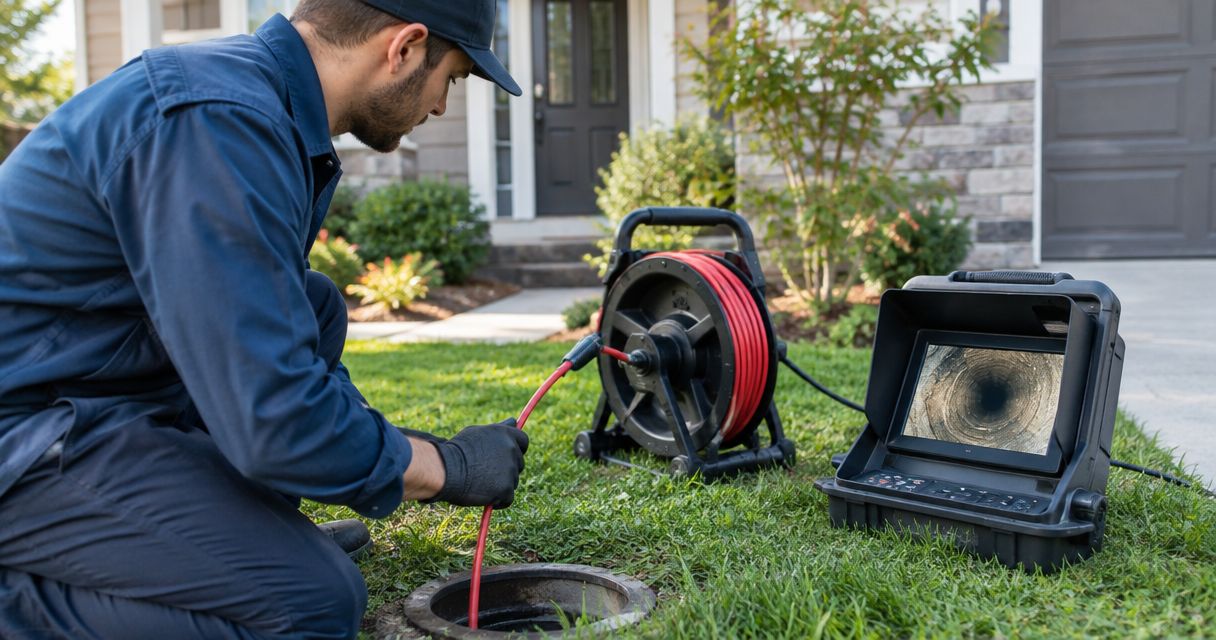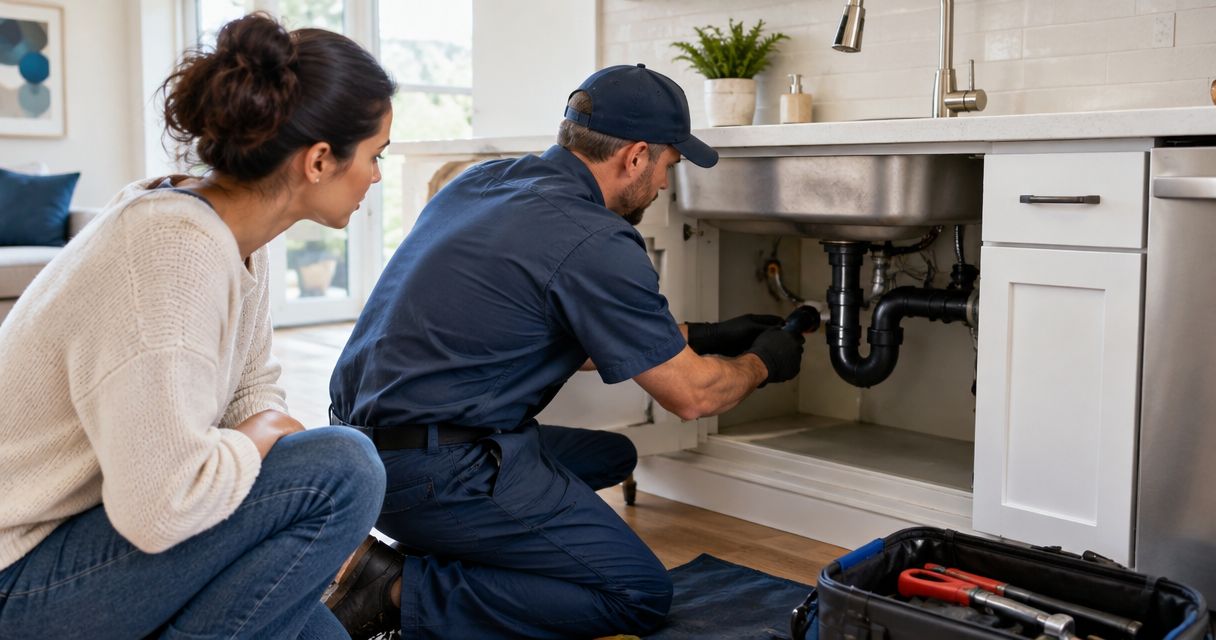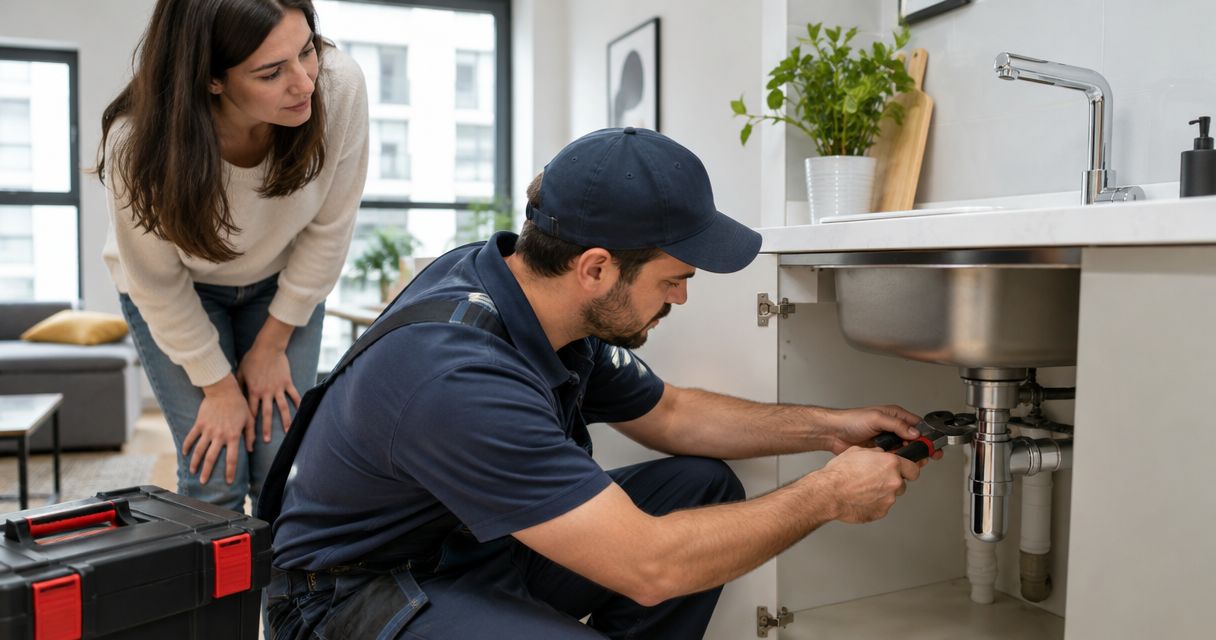
A 24 hour plumber for landlords is an emergency plumbing service that handles rental-property problems outside normal business hours to protect residents and restore essential plumbing. Your response also needs a clear approval process, lawful access, and a repair record—not just someone willing to answer the phone.
- A 24 hour plumber for landlords needs clear repair authorization, tenant access instructions, and an after-hours contact.
- Mainline Plumbing connects homeowners nationwide with vetted local licensed and insured plumbers for residential plumbing service.
- Active flooding, sewage backups, and water near electrical equipment need immediate safety-focused action.
- Confirm dispatch timing separately from 24/7 availability; an answered call does not establish an arrival time.
Why emergency plumbing matters for landlords
Rental-property plumbing involves three parties: the resident reporting the problem, the person authorizing work, and the plumber entering the home. If those roles are unclear, even a straightforward repair becomes harder to coordinate.
Mainline Plumbing is best for homeowners seeking a nationwide connection to local licensed and insured residential plumbers. For your rental property, confirm who will attend, whether they handle the reported problem, and how they accept landlord authorization. You can start that conversation through Mainline Plumbing.
Your 2026 emergency plan should distinguish immediate safety action from repair approval. A resident should not have to wait for permission to leave an unsafe area, but a contractor still needs clear instructions about access and authorized work.
A plumbing emergency also creates a documentation job. Record what happened, what made the home safe, and what remains unresolved; a stopped leak does not establish that wet building materials are dry.
Build your 2026 landlord plumbing response plan
1. Classify the problem before discussing repairs
Start with a phone call and a simple description. Ask where the water is coming from, whether it is still flowing, and whether other fixtures are affected. Request photos only when the resident can take them safely.
Active flooding, sewage entering living space, or water reaching electrical equipment calls for immediate action. A slow drain without an overflow needs a different response, although the home’s remaining usable facilities also matter.
For no hot water, ask whether every hot-water fixture is affected. That detail helps distinguish a whole-home problem from an issue at one faucet. Do not tell residents to open appliance panels or attempt electrical or gas repairs.
Use these questions rather than asking the tenant to diagnose the cause:
- Locate the problem: Identify the room, fixture, and affected unit.
- Describe the flow: Report dripping, spraying, rising water, or an overflow.
- Check other fixtures: Ask whether other drains or faucets are affected, without running more water during a backup.
- Identify immediate hazards: Report sewage, hot water, electrical exposure, or a suspected gas leak.
- Confirm essential facilities: Establish whether the household has usable water and a working toilet.
2. Give residents safe containment instructions
Write the instructions before an emergency happens. A property-specific sheet is more useful than telling a resident to find a valve in the middle of a leak.
Use a simple sequence: Stop water use. Avoid electrical hazards. Call for help. For a sewage backup, stop using affected fixtures and keep people and pets away. For a supply leak, identify whether a clearly labeled fixture shutoff or main water valve is safely accessible.
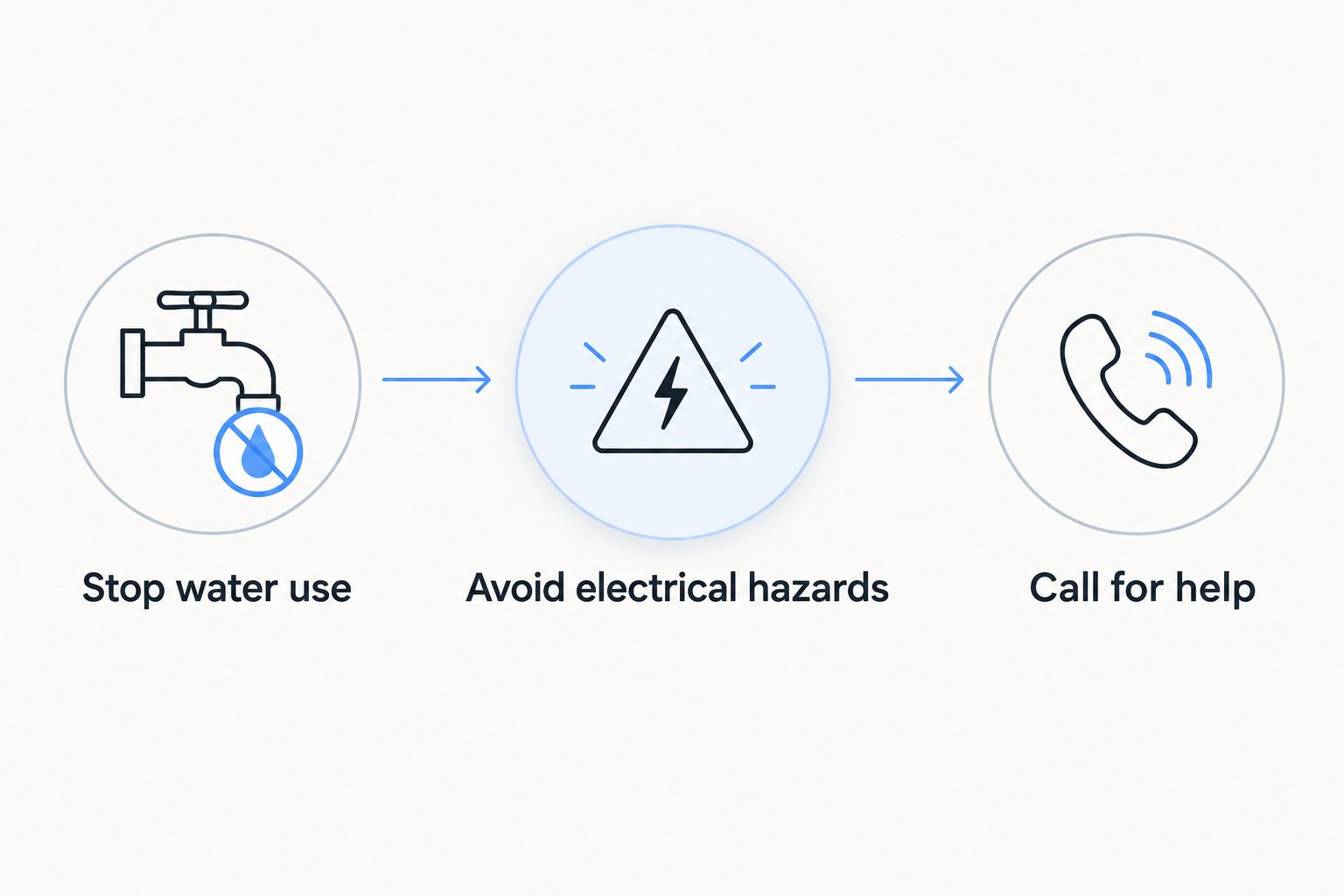
Do not direct residents to wade through water, touch wet electrical equipment, force a stuck valve, or dismantle a water heater. If they smell gas, tell them to leave the area and contact the gas utility or emergency services from a safe location.
Keep the resident’s task limited to safe observation and basic containment:
- Provide the location of the unit shutoff and building main shutoff.
- Explain that a stuck or inaccessible valve is a reason to stop.
- Tell residents not to use fixtures connected to a backing-up drain.
- Keep children and pets away from contaminated water.
- Give the after-hours reporting contact and an escalation contact.
3. Choose a service route and verify the actual dispatch
Start with the direct approach: keep contact information for a local licensed and insured plumber who handles residential emergencies. Ask about rental-property access and remote authorization before you need an overnight visit.
A connection service is another route when you need help finding a local professional. Mainline Plumbing provides nationwide connections to vetted local licensed and insured plumbers, with 24/7 availability. It is not one in-house national plumbing crew.
Confirm the actual dispatch, not just the availability of someone to answer. Ask whether a plumber has accepted the job, what arrival window is being communicated, and who will update you if that changes. Never turn an unconfirmed arrival window into a promise to your resident.
For your 2026 contact list, save at least 2 contacts: a primary service contact and a backup. This is a planning recommendation, not a guarantee that either will be able to attend a particular call.
- Confirm the attending business name and technician identification process.
- Verify licensing and insurance requirements for the work and location.
- Describe the problem before accepting a dispatch.
- Ask whether the plumber handles occupied residential rentals.
- Confirm who communicates arrival updates to you and the resident.
- Identify a backup route if the first provider cannot accept the job.
4. Set repair authorization and access rules
Give the plumber one named decision-maker and a backup. Separately identify the resident or other person coordinating entry; the person opening the door is not automatically authorized to approve replacement work.
Put the scope in writing. For example, authorize diagnosis and safe isolation, then require approval before replacement or work outside that scope. Ask the plumber what happens if an urgent decision is needed and neither authorized contact answers.
Entry rules and repair obligations depend on the property’s jurisdiction and circumstances. Check current state and local requirements for notice, emergency entry, essential services, and tenant communication. A 24-hour plumbing service is not a universal 24-hour legal repair deadline.
Document the arrangement in language everyone can follow:
- Name the primary approver and backup approver.
- Separate permission to enter from permission to perform work.
- State the approved diagnostic or repair scope.
- Require approval for changes beyond that scope.
- Explain how keys, entry codes, and resident coordination will be handled securely.
- Request written confirmation of the agreed work before it begins.
5. Record the diagnosis and separate repair from recovery
Use a shared folder or property log first. Create 1 incident record per event, rather than scattering photos and approvals across unrelated messages. A phone note and clearly named folder are enough to establish the habit.
Request the plumber’s findings in plain language. You need to know where the failure occurred, what was repaired, whether the work is temporary or permanent, and what follow-up remains. Avoid recording an assumed cause as an established fact.
Ask for 3 photo views when safe and practical: the affected room, the failed area, and the completed repair. Those are documentation targets, not a reason to enter an unsafe space or expose resident belongings unnecessarily.
For 2026 records, distinguish plumbing restoration from cleanup and building recovery. Repairing a pipe does not remove sewage contamination or dry a wall cavity. Arrange appropriate follow-up when the incident involves contaminated water or wet building materials.
- Save the resident’s original report and reporting time.
- Record arrival, isolation, repair, and completion updates.
- Keep written approvals and any changes to the scope.
- Save the diagnosis, invoice, and available repair photos.
- List remaining cleanup, drying, inspection, or restoration tasks.
- Confirm which facilities the resident can safely use after the visit.
6. Turn the incident into property-specific prevention
Start with the history you already have. Compare the latest incident with earlier reports from the same fixture, unit, or building. Recurring symptoms deserve a documented diagnosis rather than another assumption about resident use.
Ask the plumber what evidence would distinguish possible causes. Repeated drain trouble, for example, needs investigation suited to the location and symptoms; buying equipment or approving major work without a diagnosis skips that decision.
Update your 2026 property sheet after a repair changes the plumbing layout, shutoff location, or equipment. Keep resident instructions short, and separate them from the detailed maintenance record you retain.
Set prevention tasks around what the property actually needs:
- Label accessible shutoff valves and record their locations.
- Review exposed or previously frozen pipe locations before cold weather.
- Consider leak alerts near equipment or fixtures with a documented leak risk.
- Request a diagnostic plan for recurring backups or unexplained water loss.
- Schedule follow-up work identified during the emergency visit.
- Replace outdated resident instructions after equipment or access changes.
Compare service options for your rental property
Choose the route around the incident, not a general claim that one option always wins. A familiar local contractor, a connection service, and a scheduled appointment solve different coordination problems.
| Option | Best for | Main advantage | Key limitation |
|---|---|---|---|
| Direct local plumber | Landlords with an established local contractor | Direct communication with a business that already knows the property, if you have that relationship | You must confirm after-hours acceptance and keep a backup |
| Mainline Plumbing connection service | Homeowners seeking help connecting with vetted local licensed and insured residential plumbers | Nationwide coverage and 24/7 availability | Confirm the attending provider, dispatch timing, and job scope separately |
| Scheduled plumbing appointment | Stable problems after immediate hazards are ruled out | Lets you coordinate resident access and planned work | Not appropriate for uncontrolled flooding, sewage exposure, or other immediate hazards |
Use emergency service for the emergency; use a documented follow-up plan for everything left afterward. Neither a direct contractor nor a connection service removes your responsibility to coordinate access, approve work, and keep residents informed.
Common mistakes landlords make
Treating every unanswered call as the tenant’s problem
Do not give residents a single number without a fallback. Establish who receives the next call and how the resident reports that the first contact did not answer. Keep a written reporting route for times when you are unavailable.
Asking the resident to perform the diagnosis
Ask for symptoms, not plumbing conclusions. A resident can report that several drains are backing up; they should not have to prove whether the cause is a fixture blockage or a sewer-line problem before you arrange help.
Approving replacement without understanding the finding
An urgent visit does not make every proposed replacement self-explanatory. Ask what failed, what evidence supports the recommendation, and whether temporary stabilization or repair is an appropriate option. Do not delay necessary safety action while sorting out unrelated work.
Closing the incident when the water stops
A shutoff can stop a leak while leaving the resident without essential service. Record whether the repair restored usable plumbing, whether the work is temporary, and what cleanup remains. Give the resident a clear next update rather than marking the job complete prematurely.
FAQ
What's the best 24 hour plumber for landlords?
The best fit is a licensed and insured residential plumber who accepts after-hours calls, coordinates tenant access, and follows your authorization process. Mainline Plumbing connects homeowners nationwide with vetted local plumbers; confirm the attending provider and dispatch details for your property.
Does 24/7 plumbing mean a plumber will arrive immediately?
No. Around-the-clock availability does not establish an immediate arrival time. Ask whether a plumber has accepted the job and request the current arrival window.
Should I tell my tenant to shut off the water?
Only direct a tenant to use a clearly identified shutoff when it is safely accessible and they can operate it without forcing it. Do not ask them to enter standing water, approach wet electrical equipment, or dismantle plumbing.
Is every plumbing problem a landlord emergency?
No. Active flooding, sewage entering living space, and water near electrical equipment require immediate safety-focused action. Other problems still need assessment based on the affected facilities and applicable local requirements.
Can my tenant approve an emergency plumbing repair?
Establish repair authorization separately from entry arrangements. Give the plumber the names of authorized approvers and check applicable law and your rental agreement rather than assuming the person opening the door can authorize all work.
Does a landlord legally have 24 hours to fix plumbing?
There is no single nationwide 24-hour rule covering every rental plumbing problem. Check the state and local requirements that apply to the property, the affected service, and the circumstances.
What should I keep after an emergency plumbing visit?
Keep the initial report, written approvals, diagnosis, invoice, available photos, and remaining work list. Record whether the repair was temporary or permanent and which facilities were restored.
One last thing
Give your plumber the property address and your approval contact in the same message. A correct diagnosis still needs an authorized decision, and an authorized decision still needs the right unit address. Make both easy to find before the emergency call starts.
Related guides
- Best smart water leak detectors for homes
- Best pipe insulation for preventing frozen pipes
- Best sump pumps for basement flooding
Book help for your rental property
Need an emergency plumbing visit? Request service, describe the symptoms, and provide your resident’s access contact and your repair authorization contact. Confirm the attending plumber and dispatch details before giving the resident an arrival update.
Request plumbing service for your rental
Describe the problem and confirm local dispatch, tenant access, and repair authorization.