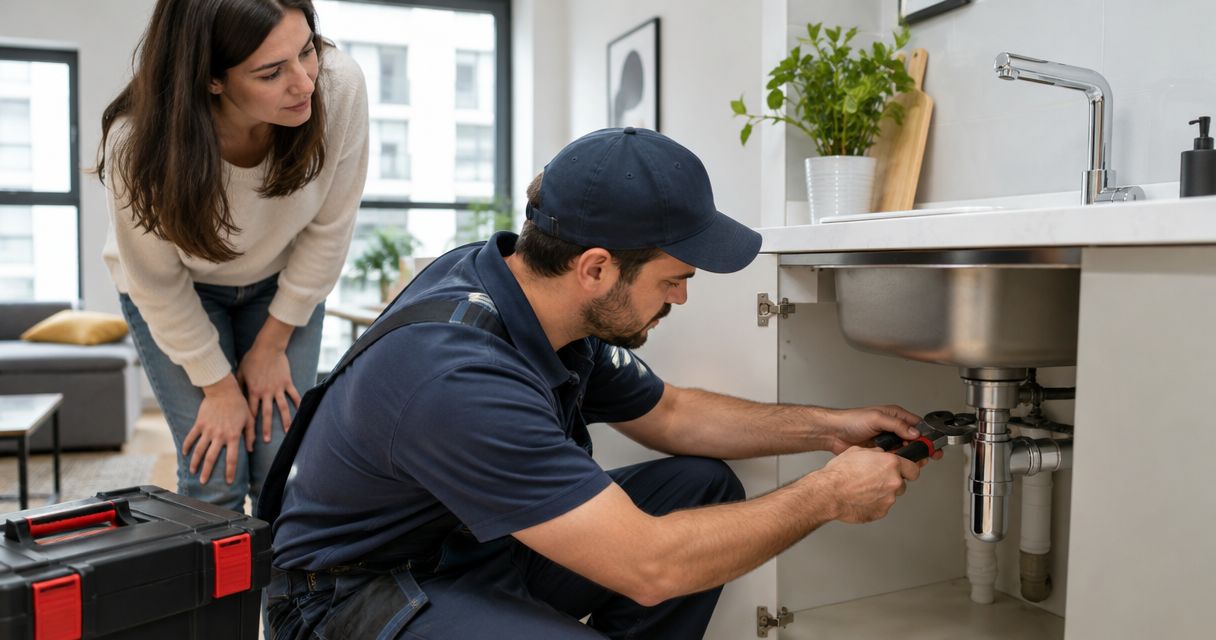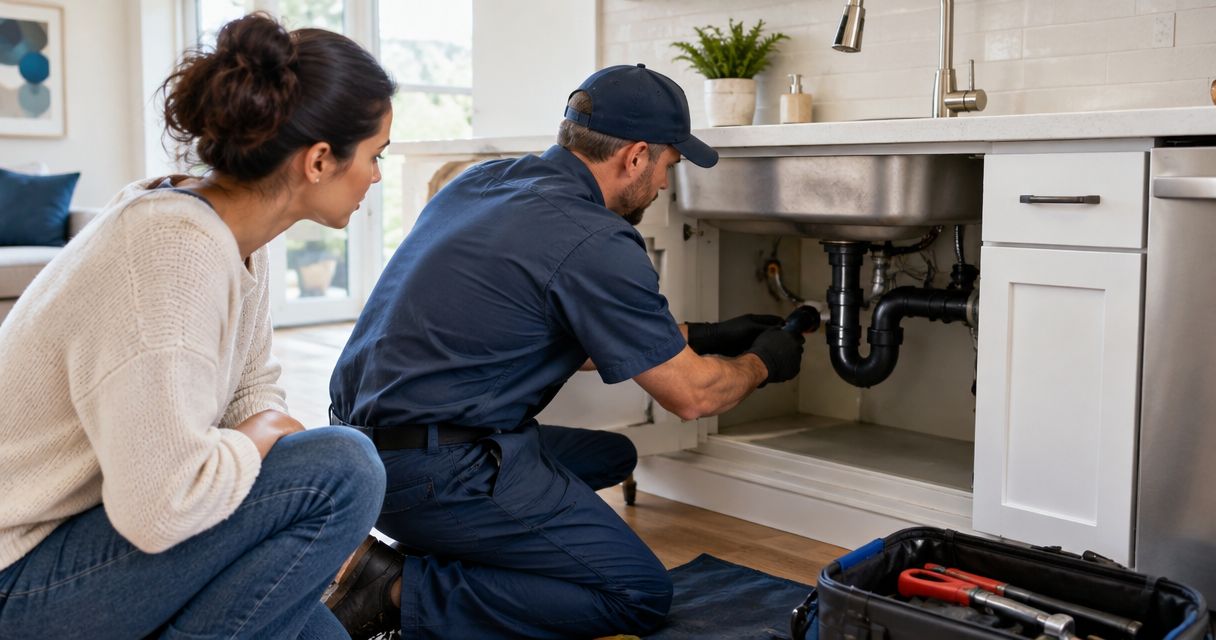
Rental property owners’ drain cleaning is the planned removal of drain blockages with the aim of keeping homes usable and limiting disruption to tenants. Drain cleaning for rental properties also requires clear reporting, safe access, and repair records because the person noticing the problem usually is not the person authorizing the work.
- Drain cleaning for rental properties starts with separating a single clogged fixture from a possible shared-line blockage.
- Stop water use when sewage backs up or several fixtures stop draining; arrange professional assessment.
- Mainline Plumbing connects rental owners with vetted local licensed and insured plumbers for drain cleaning.
- Recurring clogs need diagnosis, not repeated temporary clearing; keep inspection findings and repair records together.
Why drain cleaning matters for rental property owners
A clogged rental drain creates two jobs: restoring drainage and coordinating the people involved. You need accurate symptoms from the tenant, permission to enter, and enough information to authorize the right work without guessing.
Your 2026 maintenance plan should separate emergency response from routine prevention. A slow bathroom sink and sewage entering a shower do not belong in the same queue. Shared plumbing also means a complaint in one unit can involve a line serving other residents.
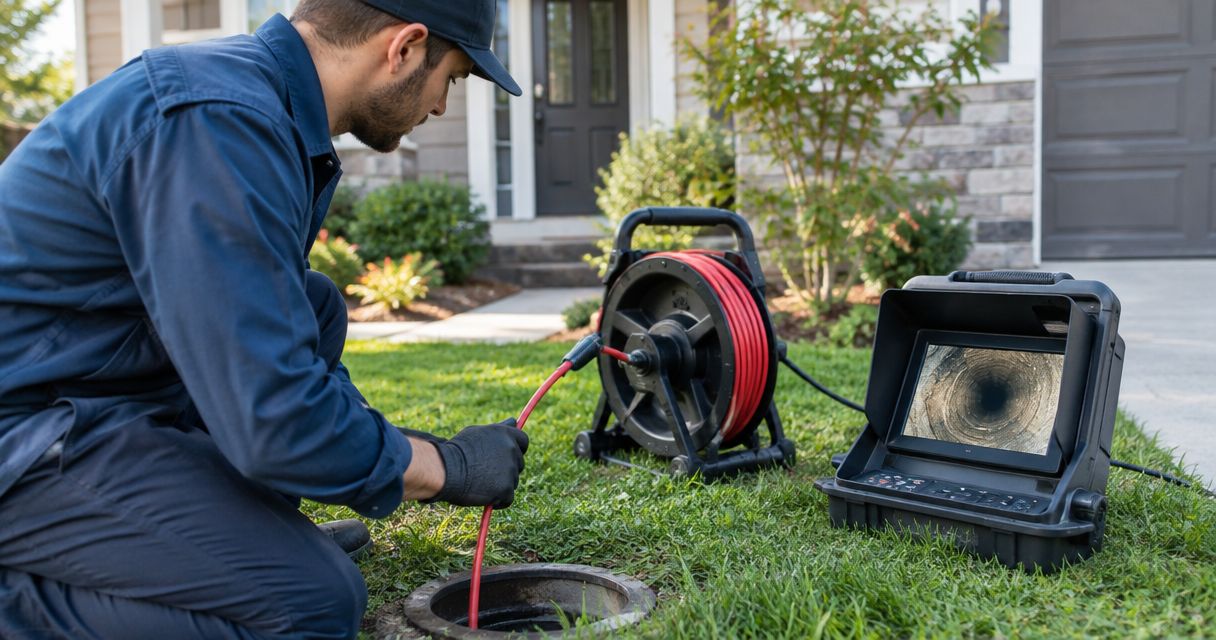
For recurring problems, understanding what an inspection can show helps you ask better questions. This guide to sewer inspection cameras for homeowners provides background before you discuss an inspection with a plumber. A camera helps investigate pipe conditions; it does not remove a blockage.
Build a practical rental drain-cleaning plan
1. Classify the symptoms before authorizing work
Start with a phone call or written message. Ask which fixture is affected, whether water drains slowly or not at all, and whether another fixture reacts when someone flushes or runs water. Do not ask tenants to keep testing a system that is already backing up.
Use 3 screening questions on every initial report: Where is the problem? What else is affected? Is dirty water escaping? These questions organize the response; they do not establish the cause. Several affected drains point toward a shared drainage problem, but a plumber must locate the obstruction.
A smell alone does not prove a sewer blockage. Record when it occurs and whether there is visible water, gurgling, or a drainage change.
- One fixture: Record its location and whether it drains at all.
- Several fixtures: Identify affected rooms and any other reporting units.
- Sewage backup: Stop testing fixtures and request urgent professional help.
- Recurring symptoms: Find the previous service record before approving another clearing.
2. Give tenants safe instructions immediately
Provide a short response tenants can follow without tools. When sewage backs up, the priority is to stop adding wastewater and keep people away from contamination—not to experiment with cleaners.
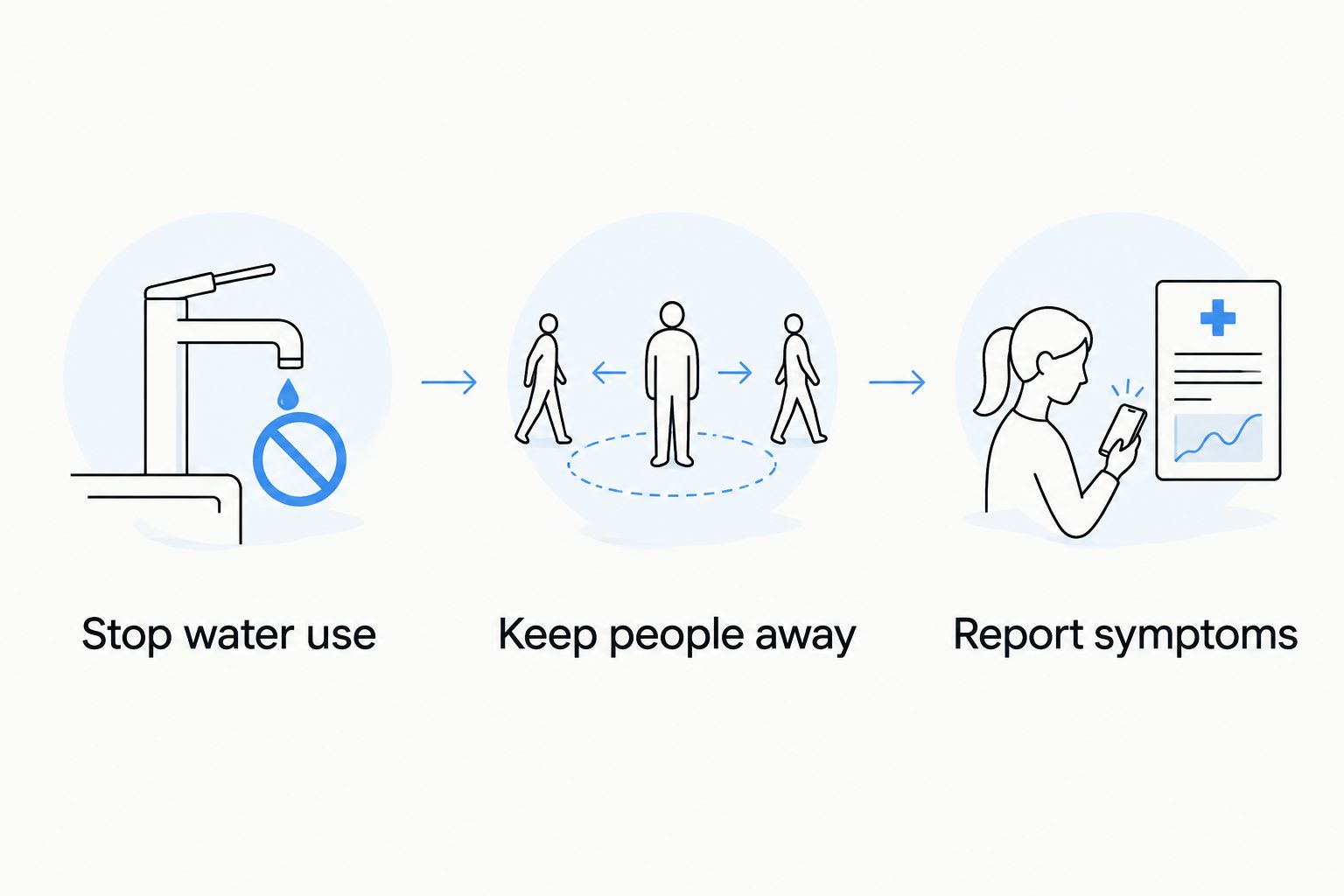
Use this sequence: Stop water use, Keep people away, and Report symptoms. If wastewater is near electrical equipment or outlets, tell residents not to enter the affected area. Do not ask anyone to reach through standing water to operate electrical equipment.
Tell the plumber if anyone has already added a drain chemical. Product information helps the technician plan safe handling. Never instruct tenants to mix cleaners, dismantle shared pipes, or open a sewer cleanout.
- Stop water use: Suspend flushing, laundry, and other drainage into the affected system.
- Keep people away: Keep children and pets away from sewage and wet electrical areas.
- Report symptoms: Request photos only from a safe, dry location.
- Disclose cleaners: Save the product name and tell the attending plumber.
3. Match the response to the blockage
For a minor, isolated clog with no sewage backup or chemical exposure, your trained maintenance person can assess an accessible strainer or use an appropriate plunger. Keep the work within that person’s competence. Stop when the cause is unclear, resistance persists, or another fixture reacts.
Professional drain cleaning becomes the next step for unresolved blockages, recurring symptoms, or shared-line concerns. Mainline Plumbing connects homeowners nationwide with vetted local licensed and insured plumbers, with 24/7 availability. It is a connection service, not one in-house national plumbing crew.
Mainline Plumbing is best for rental owners seeking 24/7 connections to vetted local plumbers. Explain the symptoms when requesting service, then confirm the attending plumber’s scope and access requirements. Do not select a cleaning method before the pipe condition and blockage are assessed.
- Minor isolated clog: Start with safe, appropriate manual assessment.
- Unresolved blockage: Arrange professional drain cleaning rather than repeated attempts.
- Repeat blockage: Ask whether inspection is needed to identify the cause.
- Damaged pipe: Discuss repair options; clearing alone does not restore the pipe.
4. Prepare access and authorize a defined scope
A plumber cannot assess a concealed drain connection that nobody can access. Before the visit, identify the affected unit, accessible plumbing areas, and any known cleanout location. Do not have a tenant remove a cleanout cap; backed-up wastewater can escape through it.
Choose 2 contacts for the service record: the person authorizing work and the person arranging entry. One person can hold both roles, but write down the responsibilities. Follow applicable notice and access requirements rather than treating every slow drain as permission for immediate entry.
For your 2026 service instructions, separate initial assessment from additional work. Ask the plumber to explain findings and obtain authorization before expanding the scope, except under whatever emergency authorization you have expressly agreed.
- Identify the unit, parking instructions, and safe entry route.
- Confirm tenant access arrangements and applicable notice requirements.
- Share prior reports, pipe repairs, and any known septic connection.
- Define who can approve inspection, additional cleaning, or repair.
5. Request a diagnosis when the blockage returns
A drain that works immediately after clearing is not proof that the underlying issue is resolved. Recurring blockages can involve buildup, roots, damaged pipe, or a drainage defect. Tenant habits are another possibility—not a conclusion to put on an invoice without evidence.
Ask what the plumber found, where it was found, and what supports the recommended next step. A camera inspection can help assess accessible pipe interiors, although standing wastewater or an obstruction can limit visibility. Cleaning may be needed before the relevant section can be inspected clearly.
Treat repeat clearing as a reason to investigate, not an automatic maintenance schedule. If the report identifies damage, ask the plumber to distinguish temporary restoration of flow from corrective repair.
- Request the blockage location and material identified during service.
- Ask whether the pipe condition was assessed or remains unknown.
- Obtain available inspection footage and a plain-language explanation.
- Separate immediate clearing recommendations from proposed permanent repairs.
6. Keep one complete record for each incident
Create 1 service record per incident, even when several tenants report the same shared-line problem. Link the complaints rather than treating every message as an unrelated clog. That makes recurring locations and unresolved recommendations easier to spot.
Your 2026 drain log should record observations, not accusations. Write that a technician removed wipes from a line if that is what the service report states; do not assume the finding proves which household introduced them.
Keep billing decisions separate from getting the drain working. Before assigning responsibility to a tenant, review the lease, applicable law, and documented findings. A signed invoice records work performed; it does not by itself resolve a responsibility dispute.
- Record the report date, affected fixtures, and tenant observations.
- Save the authorized scope, invoice, and technician’s findings.
- Attach inspection files and any recommended follow-up work.
- Note whether neighboring units reported symptoms during the incident.
7. Set prevention around the property’s actual history
Start with clear tenant instructions and accessible strainers where appropriate. Tell residents to keep grease, wipes, paper towels, and hygiene products out of drains and toilets. Explain where to report slow drainage before it becomes an urgent complaint.
There is no single cleaning interval that fits every rental. Base professional maintenance on documented conditions, previous blockages, and the plumber’s recommendations. A property with a known unresolved pipe defect needs a repair decision, not just more reminders about what to flush.
Use your 2026 turnover checklist to inspect accessible strainers, check reported slow drains, and review unfinished plumbing recommendations. Do not deliberately stress-test a system with a known backup.
- Give tenants a short drain-use and reporting guide at move-in.
- Check accessible strainers and visible leaks during permitted maintenance visits.
- Review repeat incidents by location and likely cause.
- Set follow-up dates for documented defects and unfinished repairs.
Compare drain-cleaning options for rental properties
Choose the method around the problem and pipe condition—not the strongest-sounding equipment. Inspection diagnoses; cleaning removes material; repair addresses damaged pipe. These are different jobs, even when they happen during the same visit.
| Option | Best for | Main benefit | Key limitation |
|---|---|---|---|
| Appropriate plunger or accessible strainer cleaning | A minor isolated clog handled by a competent person | Starts with a simple manual approach | Does not diagnose a deeper or recurring obstruction |
| Professional cable cleaning | Reachable obstructions suited to mechanical clearing | Physically works through or retrieves blockage material | Clearing a path does not establish that the pipe is sound |
| Professional hydro jetting | Suitable pipes with buildup requiring water-pressure cleaning | Cleans deposits from pipe interiors | Pipe condition and access must be assessed first |
| Camera inspection | Recurring symptoms or suspected pipe defects | Provides a view inside accessible drainage piping | Does not clear a clog; visibility can be limited |
| Mainline Plumbing drain-cleaning connection | Owners seeking vetted local licensed and insured plumbers | Provides a nationwide service connection with 24/7 availability | The attending local plumber must assess the method and scope |
For a 2026 maintenance plan, record why a method was selected. “Drain cleared” is less useful than a report that identifies the affected line, findings, work completed, and remaining concerns.
Common mistakes rental property owners make
Treating every complaint as an isolated fixture clog
A tub backing up when a toilet flushes deserves a different response from a slow sink with debris at its strainer. Ask about other fixtures and units before sending instructions. The wrong initial assumption delays the appropriate assessment.
Asking tenants to keep trying chemical cleaners
Repeated chemical treatment is not a diagnosis. Never recommend mixing products or adding another cleaner to an unknown substance. Tell the attending plumber what has been used before any mechanical work begins.
Blaming a tenant before locating the cause
The affected unit is not necessarily the source of material in a shared line. Keep observations, technician findings, and responsibility decisions separate. Use the service evidence and applicable requirements—not frustration—to guide the discussion.
Booking repeated clearing without reviewing the history
A recurring blockage deserves a review of earlier findings and unresolved recommendations. Before approving the same work again, ask what has changed and whether further diagnosis is needed. Temporary relief and a repaired drainage system are not the same outcome.
FAQ
What is the best approach to drain cleaning for rental properties?
Start with symptom screening, safe tenant instructions, and a response matched to the blockage. Use professional assessment for sewage backups, several affected fixtures, unresolved clogs, or recurring problems.
How often should rental property drains be professionally cleaned?
Set the interval from the property’s documented condition, blockage history, and plumber recommendations. Do not apply one calendar schedule to every property or substitute routine clearing for a needed pipe repair.
Should a landlord or tenant pay for drain cleaning?
Responsibility depends on the lease, applicable law, and evidence about the cause. Restore safe use first, preserve the technician’s findings, and review those requirements before assigning the charge.
Is hydro jetting better than using a drain snake?
Neither method is best for every blockage. Cable cleaning and hydro jetting address different conditions, and the plumber should assess the obstruction, pipe condition, and access before choosing a method.
What should tenants do when sewage backs up into a shower?
Tenants should stop using water connected to the affected system, avoid the sewage, and report the backup immediately. Keep children and pets away, and do not enter areas where wastewater creates an electrical hazard.
Does a sewer camera inspection clear the drain?
No, a sewer camera inspection examines accessible pipe interiors rather than removing a blockage. Cleaning can be necessary before the camera has a clear view of the affected section.
Can Mainline Plumbing help with an urgent rental drain blockage?
Mainline Plumbing connects homeowners nationwide with vetted local licensed and insured plumbers and offers 24/7 availability. Describe the affected fixtures, any sewage backup, access arrangements, and chemicals already used when requesting service.
One last thing
Ask for the unresolved findings, not just confirmation that water drains again. A service record should distinguish restored flow from any remaining defect so the next person managing the property knows what still needs attention.
Related guides
If a rental drain is blocked, arrange service and share the symptoms, access details, and previous repair history. Book a local plumbing assessment rather than authorizing another temporary fix without a diagnosis.
Book rental drain service
Connect with a vetted local licensed and insured plumber. Available 24/7 nationwide.