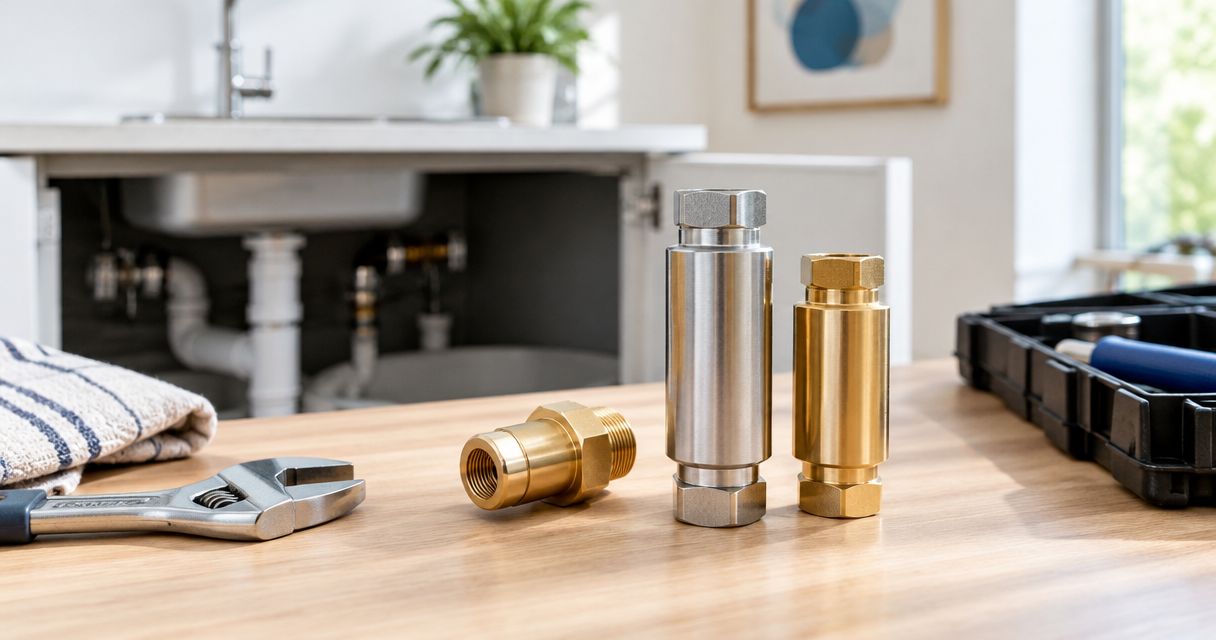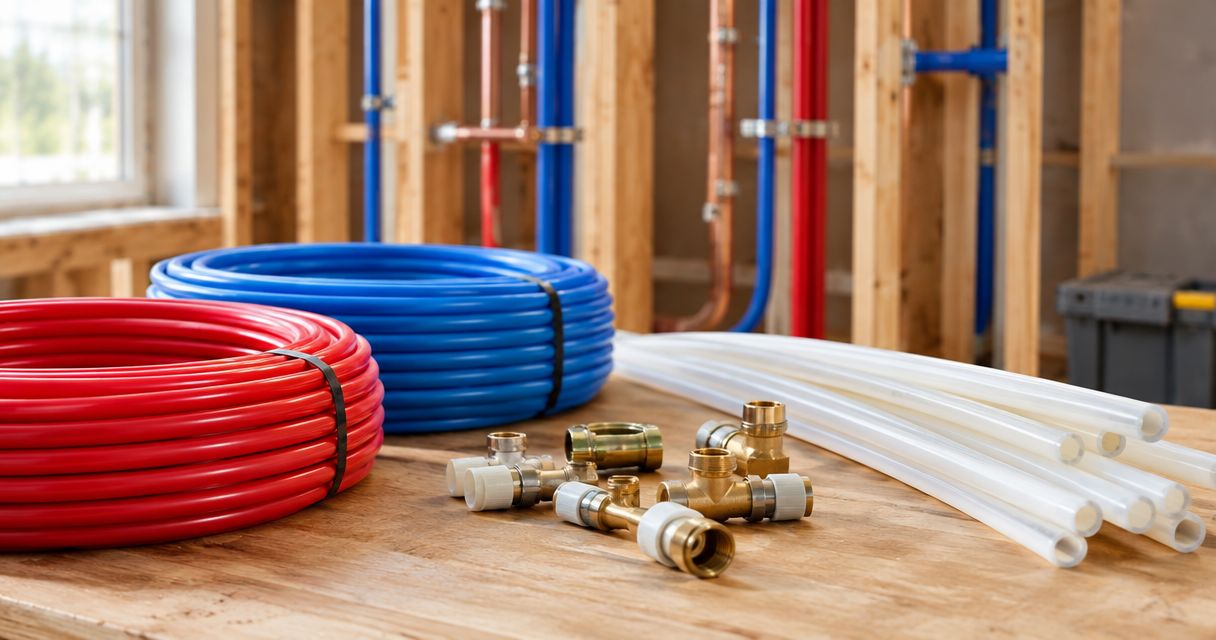
Best overall for an expansion-based home repipe: Uponor. Best for a press-based installation: Viega. Best for a crimp-based repipe: Zurn. Best for coordinating repairs with a larger replacement: SharkBite. The best PEX pipe brands in 2026 are the ones your plumber can install as a documented, code-compliant system—not just familiar names on a coil.
- Uponor is the default PEX shortlist choice when your plumber specifies an expansion-based home repipe.
- Viega suits press-based installations; Zurn suits crimp-based installations. Match the exact tubing and fittings.
- SharkBite belongs on repair-focused shortlists, but push-to-connect fittings are not a complete repiping plan.
- Mainline Plumbing connects homeowners nationwide with vetted local licensed and insured plumbers for residential plumbing service.
If you want help choosing a repiping system, Mainline Plumbing connects homeowners nationwide with vetted local licensed and insured plumbers. Ask for a recommendation that names the tubing, fittings, connection method, and work included.
Why this matters
A whole-house repipe replaces the water-supply piping serving your fixtures. It does not replace your drain or sewer piping, and it does not automatically fix every cause of weak water flow.
Your pipe choice affects routing, connection methods, and future repairs. Installation quality matters just as much: a recognized brand cannot compensate for unsupported tubing, incorrect connections, or a system that was never properly tested.
For a 2026 project, choose the complete installation before choosing the logo. That means checking local code, the manufacturer's current instructions, and your plumber's experience with the proposed system.
What makes the best PEX pipe brands?
Use these criteria to judge a proposal before comparing brands:
- Drinking-water suitability: Require tubing and fittings approved for the intended potable-water application. Heating-only tubing is not a substitute.
- Documented compatibility: The exact tubing, fittings, rings or sleeves, and tools must form an approved combination.
- Installer familiarity: Ask which connection system your plumber installs regularly and how connections are checked.
- Routing and sizing: Your plan should account for fixture demand, pipe lengths, protection, and access—not simply copy existing pipe sizes.
- Future service: Keep a record of the installed components so another plumber can identify the system later.
- Written scope: Require permits where applicable, testing, cleanup, and wall-repair responsibilities to be addressed before work starts.
A complete system specification is more useful than a brand-only recommendation. None of these criteria requires choosing the same manufacturer for every unrelated plumbing component in your house.
Best PEX pipe brands at a glance
These recommendations separate installation approaches. They are not a claim that one brand lasts longer than another or performs better in every water supply.
| Brand | Best for | Standout reason to consider it | Key limitation |
|---|---|---|---|
| Uponor | Expansion-based whole-house repiping | PEX-a tubing and expansion-system approach | Requires the specified expansion components and installation procedure |
| Viega | Press-based whole-house repiping | Dedicated PEX press connection approach | Requires matching press components and tooling |
| Zurn | Crimp-based whole-house repiping | Established PEX crimp-system approach | Requires correct ring placement, tooling, and connection checks |
| SharkBite | Coordinating localized repairs with repiping | PEX tubing and transition-fitting options | A convenient repair connection does not determine the best whole-house design |
1. Uponor: best PEX brand for expansion-based repiping
Uponor is the default shortlist choice when you want a plumber to propose an expansion-based PEX-a repipe. Expansion connections use the tubing's ability to recover after expansion around the specified fitting assembly.
The practical benefit is a clearly defined installation approach. Your proposal should identify the actual tubing and connection components rather than stopping at the word Uponor.
Uponor pros:
- Gives you a specific expansion-based system to discuss with installers.
- Flexible tubing supports routing through an existing house.
- Manufacturer installation instructions provide a reference for evaluating the proposed work.
Uponor cons:
- Expansion work requires the specified tools and technique.
- A brand name alone does not establish compatibility with another manufacturer's fittings.
- Flexible tubing still needs proper support and protection at penetrations.
Best for: Homeowners whose chosen plumber regularly installs expansion-based PEX systems and can explain the complete assembly.
Ask how the plumber will handle tight turns, transitions to existing piping, and testing before walls close. Verdict: Buy the Uponor-based installation when the contractor specifies and supports the complete system.
2. Viega: best PEX brand for press-based repiping
Viega belongs on your shortlist when the proposed installation uses its PEX press connection system. Press connections rely on the specified fitting, sleeve arrangement, and compatible tooling rather than treating every PEX joint as interchangeable.
Choose this approach because your plumber has a clear installation plan and relevant experience. Do not choose it simply because pressing sounds more professional than another approved connection method.
Viega pros:
- Offers a defined press-based approach to PEX connections.
- Provides a specific connection method to document in your project scope.
- Supports a consistent installation plan when the plumber uses the prescribed components.
Viega cons:
- Requires compatible press tooling and components.
- Tool access must be considered around crowded fittings.
- Future repairs require identifying the installed system before choosing replacement parts.
Best for: Homeowners working with a plumber who regularly installs and services Viega PEX press systems.
Have the installer explain how joints in cramped spaces will be completed and checked. Verdict: Buy a Viega-based repipe when press-system experience is a strength of your chosen contractor.
3. Zurn: best PEX brand for crimp-based repiping
Zurn is a practical shortlist choice for a crimp-based PEX proposal. Crimp connections mechanically secure tubing over a compatible fitting using the specified ring and tool.
For homeowners, the important distinction is not whether a connection looks simple. It is whether the installer follows the correct assembly and checking procedure for the exact components.
Zurn pros:
- Provides a defined crimp-based option for residential water piping.
- Makes connection type straightforward to identify in a written proposal.
- Allows you to ask specific questions about tooling and joint inspection.
Zurn cons:
- Incorrect ring placement compromises an otherwise suitable assembly.
- Tool condition and adjustment matter to connection quality.
- The installer must account for fittings when sizing the system.
Best for: Homeowners whose plumber specializes in a documented crimp-based installation rather than expansion or press connections.
Ask what checks the plumber performs on completed crimps and how inaccessible joints will be handled. Verdict: Buy a Zurn-based repipe when the proposal includes compatible components and a clear connection-checking process.
4. SharkBite: best PEX brand for repair-to-repipe planning
SharkBite is useful to discuss when your project includes existing-pipe transitions, localized repairs, and eventual replacement. The brand is associated with both PEX tubing and push-to-connect fittings, but those are not the same purchasing decision.
A repair fitting can solve a specific connection problem. It does not decide the routing, sizing, or connection method for an entire house.
SharkBite pros:
- Brings tubing and transition questions into the same planning conversation.
- Provides connection options for repair situations, subject to exact product approvals.
- Helps distinguish a targeted repair from a full replacement scope.
SharkBite cons:
- Familiarity with a repair fitting is not a reason to specify every joint the same way.
- Connections require the prescribed pipe preparation and insertion procedure.
- Concealed installations require checking the exact fitting's instructions and local requirements.
Best for: Homeowners comparing an immediate repair with a staged or whole-house repipe.
Require the proposal to distinguish temporary work, permanent repairs, and replacement piping. Verdict: Hold the whole-house purchase decision until the plumber specifies the exact tubing and connection system.
PEX-a versus PEX-b: what actually changes?
PEX-a and PEX-b identify different manufacturing methods for cross-linked polyethylene tubing. They are not universal quality grades, and the letter alone does not establish which fittings you can use.
In a 2026 repiping proposal, ask for the exact tubing identification and approved connection method. Do not accept a blanket statement that all PEX-a must use expansion or that all PEX-b works with every crimp fitting.
| Decision | What to check | What to avoid |
|---|---|---|
| Tubing type | Exact markings and intended application | Treating the letter as a quality score |
| Connection method | Manufacturer-approved component combination | Assuming every PEX fitting fits every tube |
| Pipe size | Demand, run length, pressure, and fitting effects | Replacing every run with the same nominal size |
| Concealed work | Local rules, protection, and testing requirements | Closing walls before required checks |
Nominal sizes such as 1/2-inch, 3/4-inch, and 1-inch identify different tubing sizes; they are not a room-by-room sizing prescription. Your plumber must calculate what the house needs rather than choosing pipe diameter from a brand chart alone.
How to choose your repiping proposal
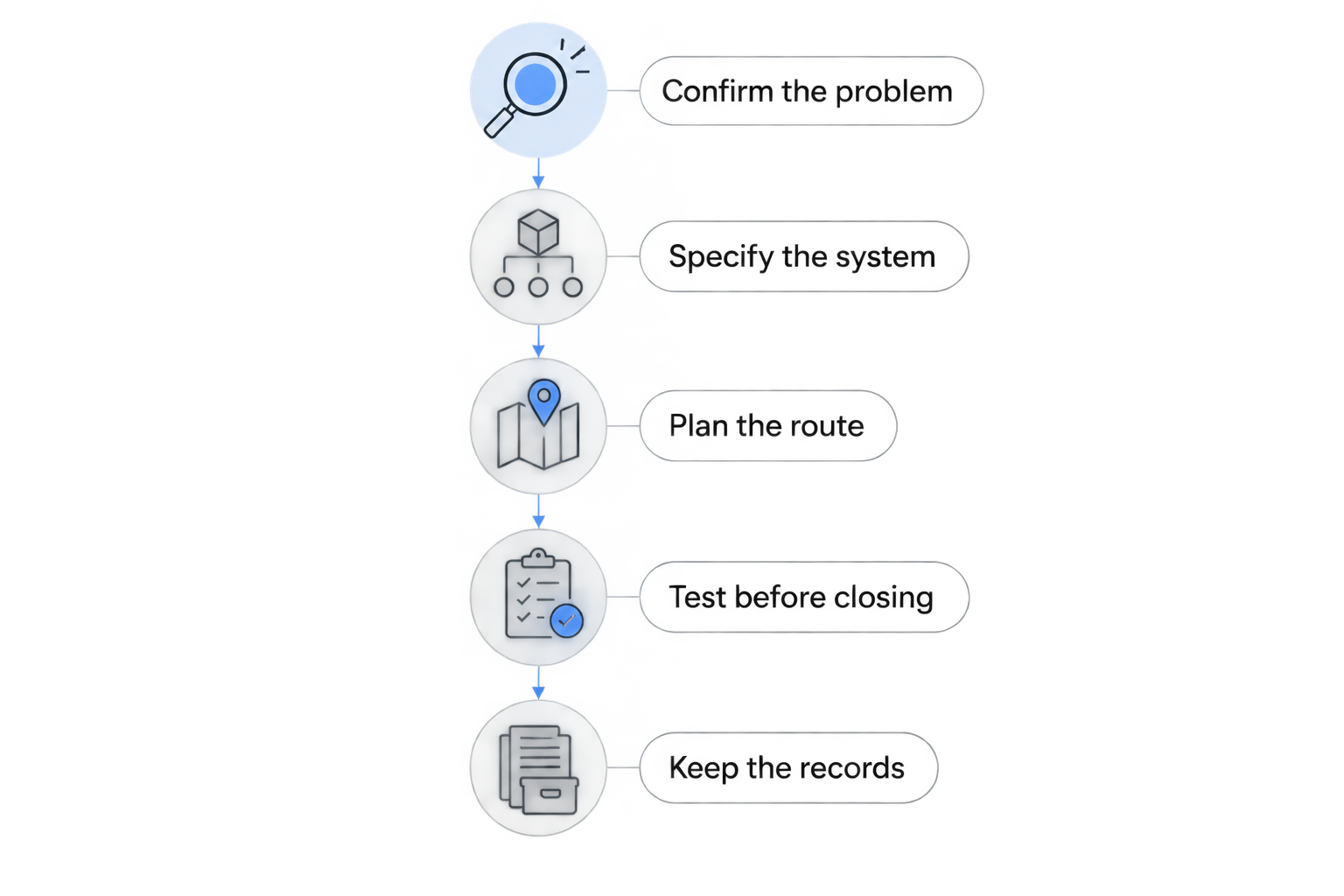
A good 2026 proposal makes the following sequence clear. Mainline Plumbing's PEX repiping guidance is simple: choose the licensed local installer and documented system together.
- Confirm the problem. Identify whether leaks, corrosion, restrictions, or another issue justify replacement. Weak flow alone does not prove the whole house needs repiping.
- Specify the system. Record the tubing, fittings, connection method, and transitions to piping that stays.
- Plan the route. Identify shutoffs, fixture connections, wall openings, pipe protection, and freeze-exposed areas.
- Test before closing. Require the applicable inspection and manufacturer-directed testing before concealed work is covered.
- Keep the records. Save the scope, product identification, inspection records, and photos of accessible piping routes.
Pressure deserves a separate check. New tubing does not correct excessive incoming pressure or a malfunctioning pressure regulator; read how much water pressure is too high for home pipes before assuming pipe replacement addresses the cause.
If water is actively escaping, stop comparing brands. Shut off the water if you can safely reach the valve, stay away from wet electrical equipment, and request emergency plumbing service.
How these brands were ranked
This 2026 shortlist ranks brands by installation use case: expansion, press, crimp, and repair-to-repipe planning. It does not assign unsupported leak rates, lifespan claims, or performance scores.
The deciding criteria are drinking-water suitability, documented component compatibility, installer familiarity, routing, and serviceability. Ask each bidder to explain those points in writing so you compare equivalent work rather than brand recognition.
Which PEX brand should you choose?
Choose Uponor as the starting point for an expansion-based repipe. Choose Viega when your contractor's strength is its press system, or Zurn when the contractor proposes a properly documented crimp installation. Consider SharkBite where repairs and transitions are central to the scope.
Mainline Plumbing is best for homeowners who want help connecting with a vetted local licensed and insured plumber for PEX repiping. The right next step is an assessment of your existing pipes—not buying coils before an installer has sized the job.
FAQ
What's the best PEX pipe brand for a whole-house repipe?
Uponor is the starting recommendation for an expansion-based repipe. Viega and Zurn belong on the shortlist when your plumber's documented installation approach uses press or crimp connections instead.
Is PEX-a better than PEX-b for my house?
PEX-a is not automatically better than PEX-b for every house. Choose the exact tubing and approved connection system based on the installation plan, local requirements, and your plumber's experience.
Can my plumber mix PEX pipe and fitting brands?
Mixed brands require documented compatibility for the exact tubing, fittings, and connection method. Matching nominal size alone does not prove the assembly is approved.
Should I buy PEX tubing before hiring a plumber?
Choose the installer and system specification before buying tubing. The plumber needs to determine pipe sizes, routing, connection methods, and the work required at existing-pipe transitions.
Can PEX piping freeze in an exterior wall?
PEX piping can freeze and suffer damage, including damage at fittings. Routing and freeze protection still matter; flexible tubing does not make an exposed installation freeze-proof.
Does replacing my pipes fix low water pressure?
Replacing pipes addresses low flow only when the piping is responsible. A plumber should check for leaks, restrictions, supply problems, and pressure-control issues before recommending a whole-house repipe.
Can I leave push-to-connect fittings behind a wall?
Concealed use depends on the exact fitting's approval, installation instructions, and local requirements. Have your plumber confirm those conditions and complete required testing before closing the wall.
One last thing
Photograph the pipe markings before the walls close. A clear picture of the tubing identification and connection components helps a future plumber determine what was installed without guessing from pipe color.
Keep those photos with your project paperwork. Red and blue coloring helps identify intended hot and cold runs; it does not prove which connection system is installed.
Related guides
- Can low water pressure mean a hidden leak?
- Best pipe insulation for preventing frozen pipes
- Best smart water shutoff valves for leak prevention
Ready to replace leaking or failing water lines? Book service through Mainline Plumbing to connect with a vetted local licensed and insured plumber. Nationwide connections and 24/7 availability help you take the next step without choosing a pipe system on your own.
Book a plumbing assessment
Connect with a vetted local licensed and insured plumber to discuss your home's water lines.