A sewer camera inspection has no fixed duration: the appointment depends on pipe access, blockages, and how much of the line the plumber needs to examine. Ask for an estimate for the whole visit, not just the time the camera is inside the pipe. Cleaning, locating a problem underground, and preparing a report are separate tasks that can extend the appointment.
- Sewer camera inspection how long? Access, pipe visibility, and the agreed inspection scope determine the appointment.
- Mainline Plumbing connects homeowners nationwide with vetted local licensed and insured plumbers for residential plumbing services.
- Ask whether your appointment includes cleaning, underground locating, recorded footage, and a written explanation.
- An inspection that stops at a blockage does not establish the condition of the pipe beyond it.
Why this matters
The camera pass and the complete service visit are not the same thing. A plumber needs to reach the pipe, inspect what is accessible, explain the findings, and identify anything the camera could not reach. Scheduling around camera time alone leaves those tasks out.
Mainline Plumbing is best for homeowners seeking a connection to a vetted local licensed and insured plumber. For your 2026 appointment, describe the symptoms before booking and ask what the inspection includes. That gives the plumber a clearer basis for estimating the visit.
How long does a sewer camera inspection take?
The useful answer is a job-specific estimate based on access and scope. A clear, accessible line presents a different job from a backed-up line that needs cleaning before the camera can show its interior.
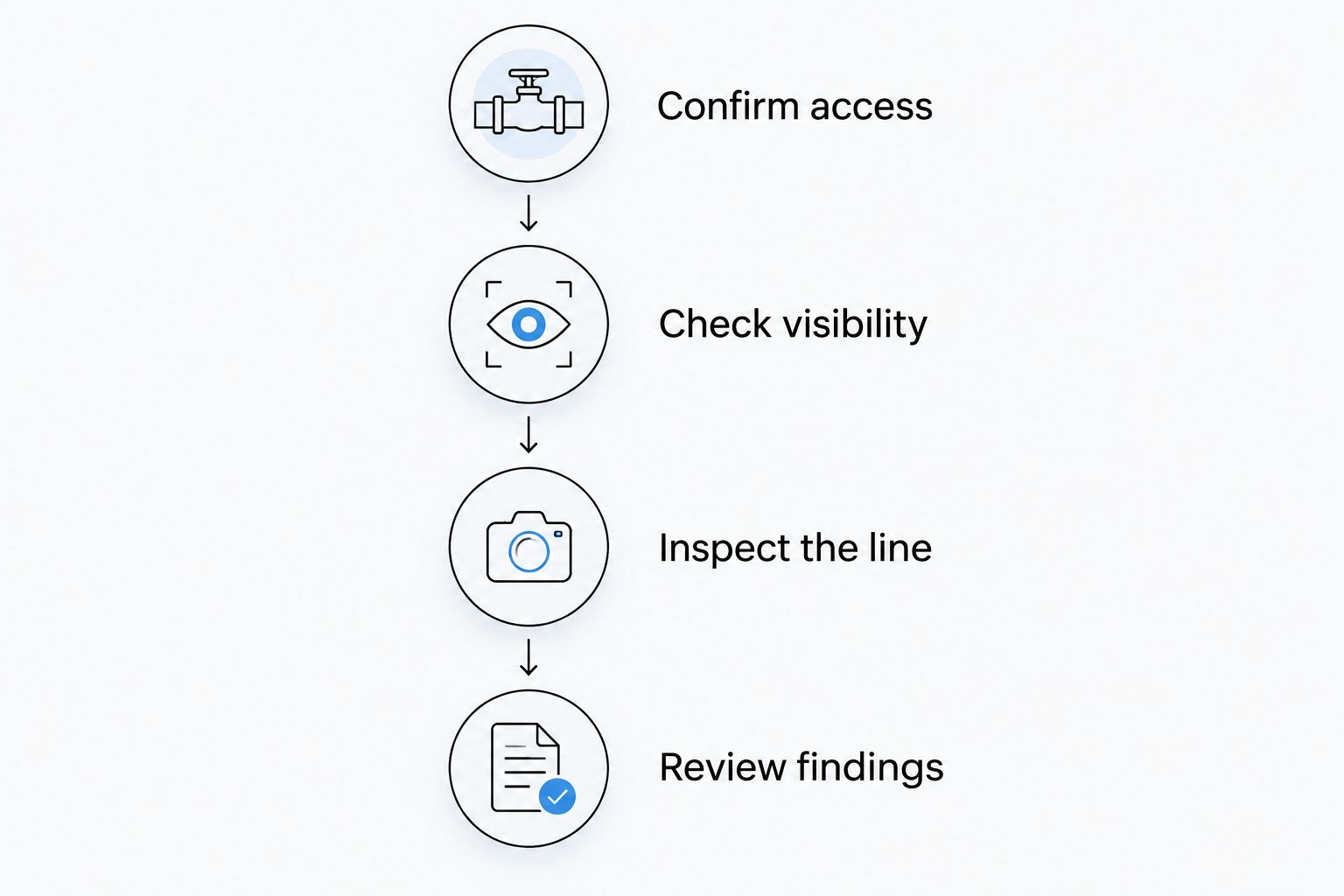
Ask the plumber to account for these stages:
- Confirm access. The plumber identifies a suitable entry point and checks whether it can be used safely. A cleanout is an access opening into the drain or sewer pipe.
- Check visibility. Waste, standing water, roots, or buildup can block the camera's view. The plumber determines whether inspection can proceed or whether clearing is needed.
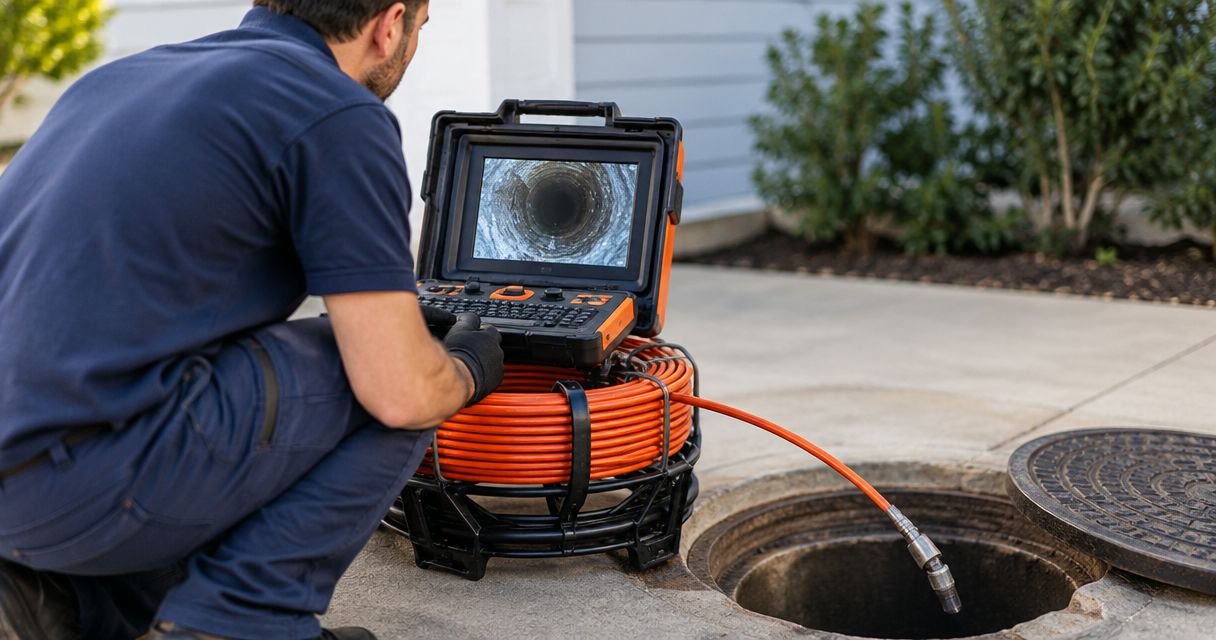
- Inspect the line. The camera travels through the accessible pipe while the plumber examines its interior. Obstructions and bends can limit how far it travels.
- Review findings. The plumber explains visible problems, identifies uninspected sections, and discusses the next step. Recording, locating, and written reporting belong in the agreed scope.
These stages explain why a camera-only estimate is not a reliable promise for the entire appointment. Ask what happens if the camera cannot get through before work starts.
Camera-only inspection: best for an accessible line
A camera-only inspection focuses on viewing the pipe's interior. It suits a line the plumber can enter and examine without first removing an obstruction that prevents useful footage.
The benefit is a focused diagnostic visit. The limitation is equally important: a camera does not clear a blocked sewer or repair a damaged pipe. If the camera reaches an obstruction, the plumber must explain where the inspection stopped and what remains unknown.
Do not treat an incomplete inspection as a clean bill of health. Ask which section was examined, where the camera stopped, and whether the recording supports the explanation.
Cleaning plus inspection: best when buildup blocks the view
When waste, roots, or debris prevent useful inspection, cleaning and camera work serve different purposes. Cleaning addresses the obstruction; the camera helps examine the accessible interior.
The advantage is a clearer view after obstructing material is removed. The limitation is added work, and cleaning does not guarantee that every section will become accessible. A damaged or impassable section can still stop the camera.
Ask whether cleaning is included in the appointment or requires separate authorization. The plumber should explain the proposed work before changing the scope, rather than treating inspection and cleaning as interchangeable services.
Inspection with locating and reporting: best for documenting a problem
Some inspections also involve identifying a camera's position from above ground or preparing a written record. Confirm whether the equipment and booked service include those tasks; do not assume every inspection provides them.
Locating helps connect an observed problem with a position on the property. A report helps you keep track of the findings and discuss them with another party. Neither task replaces an explanation of what was actually visible.
For a 2026 home purchase, agree on the documentation before the appointment. If you need evidence for an insurer, use the guide to using a sewer camera inspection for an insurance claim to prepare your questions. Footage documents observations; it does not establish insurance coverage.
| Inspection scope | Best for | Main benefit | Limitation to confirm |
|---|---|---|---|
| Camera-only inspection | An accessible line with usable visibility | Examines the visible pipe interior | Does not remove blockages or inspect beyond an impassable section |
| Cleaning plus inspection | An obstruction that prevents useful viewing | Clears obstructing material before further examination | Adds work and does not guarantee complete access |
| Inspection with locating and reporting | Planning repairs or documenting findings | Connects observations with a location and written explanation | Locating and reporting must be included in the agreed scope |
Why sewer camera inspection time varies
These factors change the work involved, so they belong in the conversation when you schedule:
- Access to the pipe. A visible, usable entry point avoids the separate task of finding or establishing access. Tell the plumber whether you know where the cleanout is.
- Blockages and visibility. Debris, roots, and standing water can hide the pipe surface or prevent the camera from passing. Cleaning and a further inspection are distinct tasks.
- The route being inspected. Bends, branches, changes in pipe size, and the length of the agreed route affect camera travel and interpretation.
- Pipe condition. A damaged or obstructed section can stop the inspection. The plumber needs to explain the stopping point rather than imply the unseen section is sound.
- The requested deliverables. Underground locating, saved footage, photographs, and a written explanation add tasks beyond viewing the camera screen.
For scheduling in 2026, give the plumber what you already know. Explain which fixtures are affected, whether sewage is backing up, and whether anyone has previously inspected or cleared the line. Keep previous reports available rather than trying to diagnose the pipe yourself.
Does drain cleaning make a camera inspection take longer?
Drain cleaning adds a separate task when it is needed to open the line or improve visibility. Ask whether the plumber expects to inspect first, clean first, or inspect again after clearing the obstruction.
Can I use water during a sewer camera inspection?
Follow the attending plumber's instructions about using sinks, toilets, and appliances. The plumber needs to control water flow for the inspection; if sewage is backing up, stop using the affected plumbing and request urgent help.
Will I get the sewer inspection results immediately?
Ask for an explanation of visible findings during the visit, and confirm separately when any recording or written report will be delivered. Do not assume that watching a camera screen includes receiving a saved copy.
How to prepare without touching the sewer pipe
You can make the appointment easier without opening plumbing or attempting repairs. Focus on access, information, and safety.
Clear the route. Move ordinary household items away from the expected work area if you can do so safely. Keep children and pets away from equipment and any contaminated area.
Leave sewer openings alone. Do not remove a cleanout cap to help the plumber, especially during a backup. Wastewater can escape when an opening is disturbed. Never enter a sewer access chamber or other confined space.
Describe the symptoms. Explain whether the problem affects a single fixture or several fixtures. Mention gurgling, recurring slow drains, sewage odors, or previous backups without assuming what caused them.
Share earlier work. Have previous footage, inspection reports, and repair records ready if you have them. Tell the plumber about recent drain treatments, including any chemical cleaner used.
Confirm the scope. Ask what is included, what requires separate approval, and what documentation you will receive. A useful 2026 booking request describes both the problem and the outcome you need, such as investigating recurring backups or documenting a line before purchase.
Do not run extra water to demonstrate a known backup. Describe what happened and let the plumber decide how to investigate safely.
What a completed inspection should tell you
A useful inspection answers more than whether the camera entered the pipe. You need to understand what was examined, what was found, and what remains uncertain.
Before the plumber leaves, ask:
- Where did the camera enter, and which route did it follow?
- Did the camera reach the intended endpoint?
- What visible condition explains the recommendation?
- Did water, debris, or an obstruction hide any sections?
- Is any additional inspection needed before choosing a repair?
- What footage or written findings will you receive?
Visible damage and a repair recommendation are not the same thing. Ask the plumber to connect the proposed repair with the footage and explain any remaining uncertainty. A camera shows the accessible interior; it does not reveal every condition outside the pipe or prove that every joint is watertight.
A short inspection is not automatically incomplete, and a longer visit is not automatically more thorough. Judge the result by the inspected route, usable evidence, and clear explanation—not elapsed time alone.
When a backup needs urgent attention
Active sewage entering your home is not a routine scheduling question. Stop using the affected plumbing, keep people and pets away from wastewater, and request urgent professional help.
Avoid electrical equipment or outlets near standing water. Do not enter a flooded area to reach plumbing controls. If you cannot approach the area safely, stay clear and describe the conditions when requesting service.
Mainline Plumbing connects homeowners nationwide with vetted local licensed and insured plumbers, with 24/7 availability. Explain the backup when requesting emergency plumbing service so the urgency is clear. Availability does not establish a specific arrival time; confirm that with the local professional.
FAQ
How long should I set aside for a sewer camera inspection?
Set aside the appointment window confirmed by the attending plumber, including access, inspection, and discussion of the findings. Ask whether cleaning, locating, and reporting are part of that window.
Does a sewer camera inspection include drain cleaning?
Do not assume drain cleaning is included in a sewer camera inspection. Confirm whether cleaning is part of the booked service and what happens if an obstruction prevents the camera from passing.
Do I need to be home for a sewer camera inspection?
Confirm access and attendance requirements with the attending plumber before the visit. If you cannot attend, arrange how the plumber will obtain access, request authorization, and explain the findings.
Can a sewer camera see through standing water?
Standing water can obscure the pipe surface and limit useful inspection footage. Ask which sections were clearly visible and whether further work is needed to examine the hidden areas.
Will a sewer camera inspection find every problem?
A sewer camera inspection cannot establish the condition of sections it cannot reach or clearly view. It also does not show every condition outside the pipe or replace other tests when those are needed.
Should I book an inspection before buying a home?
A sewer camera inspection can help you investigate the accessible sewer line before buying a home. Coordinate property access, documentation, and any follow-up with your purchase deadlines.
Can Mainline Plumbing help arrange a sewer inspection?
Mainline Plumbing connects homeowners nationwide with vetted local licensed and insured plumbers for residential plumbing services, including sewer and main line services. Describe your inspection needs when requesting service and confirm the scope with the local professional.
One last thing
Ask where the camera stopped. That question tells you more than the appointment's length. If the camera stopped at roots, debris, or a damaged section, the pipe beyond that point remains uninspected.
Keep that question on your 2026 inspection checklist, along with a request for the footage and an explanation of any unseen sections. You need a clear account of the line—not simply confirmation that a camera went into it.
Related guides
- What affects sewer camera inspection cost
- Sewer camera inspections for homebuyers
- Sewer camera inspections for older homes
Ready to arrange an inspection? Request service and describe your symptoms, known access points, and documentation needs. Confirm the appointment window and included work with the local plumber before the visit.
Book a sewer inspection
Connect with a vetted local licensed and insured plumber. Confirm the inspection scope before work begins.