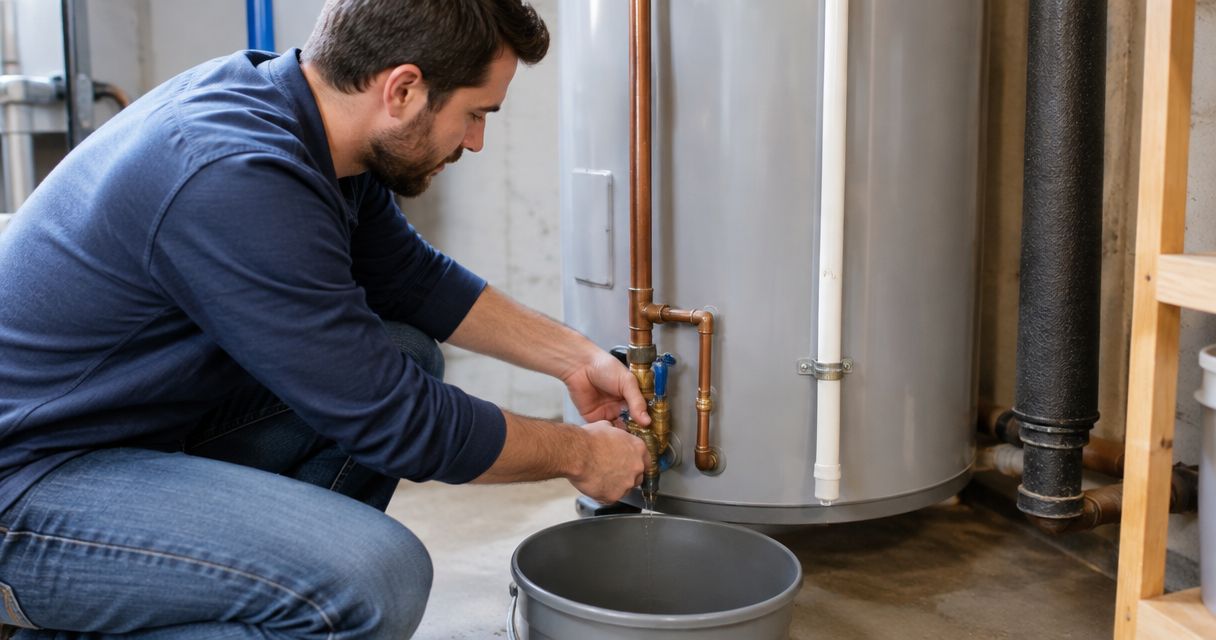
Yes, a clogged drain can cause a sewer backup when the blockage prevents wastewater from moving through a shared drain or the home's main sewer line. A clog limited to one sink usually affects that fixture, while wastewater rising in a shower, toilet, or floor drain when another fixture runs points to a problem farther downstream.
- Can a clogged drain cause sewer backup? Yes, especially when a shared drain or main sewer line is blocked.
- Stop using water if sewage rises through a drain; repeated flushing adds wastewater to the blocked system.
- Multiple affected fixtures suggest a shared blockage, but symptoms alone do not identify its exact location.
- Mainline Plumbing connects homeowners nationwide with vetted local licensed and insured plumbers for drain cleaning and sewer backup help.
Can a clogged drain cause a sewer backup?
A clogged drain causes a backup when wastewater reaches an obstruction and has nowhere else to go. The location of the blockage determines which fixtures overflow. A blocked sink trap is different from a blocked pipe carrying wastewater from several rooms.
Use this comparison to decide what to do next. For professional help, Mainline Plumbing connects homeowners nationwide with vetted local licensed and insured plumbers, with 24/7 availability.
| What you notice | What it suggests | Best next step | Important limit |
|---|---|---|---|
| One sink drains slowly; nearby fixtures work normally | A blockage near that fixture | Address the isolated drain | Normal nearby drains do not rule out every downstream issue |
| A toilet flush makes water rise in the shower | A blockage downstream of where those fixtures connect | Stop using water and arrange plumbing service | The symptom does not locate the obstruction precisely |
| Several fixtures back up, especially at the lowest level | A shared drain or main sewer line problem | Request urgent diagnosis | The cause could involve the private line or public sewer |
| Wastewater appears during heavy rain without household water use | A downstream restriction or sewer surcharge | Stop water use and contact a plumber or sewer utility | Rain timing alone does not prove a public sewer problem |
Do not keep running fixtures to confirm the pattern. Once wastewater starts rising, additional testing can turn a contained problem into an overflow.
Why this matters
A slow drain is inconvenient. Sewage entering living space is a contamination problem, even if the water looks relatively clear. Keep children and pets away, avoid contact, and do not walk through standing water to reach electrical equipment.
For your 2026 home maintenance checklist, separate an isolated slow drain from an active backup. Water coming up through another fixture is a reason to stop using the plumbing, not a reason to try another flush.
The distinction also changes the repair. Clearing a sink trap will not fix an obstruction farther down the main sewer line, and clearing a main line will not repair a broken pipe.
An isolated drain clog: usually a local problem
Hair, soap residue, food debris, and other material can restrict a fixture's drain. When the blockage sits before that drain joins other pipes, water usually backs up only at that fixture.
Best for a cautious DIY check: a single slow sink with no sewage, no cross-fixture backup, and no chemical cleaner already in the drain. Remove visible debris from an accessible stopper or strainer without reaching into a garbage disposal.
The advantage of a local check is that it addresses an accessible cause without disturbing the main line. The limitation is equally important: clearing visible debris does not prove the rest of the pipe is open.
Stop if water leaks, fittings are corroded, or the fixture remains blocked. Avoid forcing tools through unfamiliar plumbing. Tell the plumber about any drain cleaner you have used before work begins.
A shared drain blockage: several fixtures can be affected
A branch drain carries wastewater from connected fixtures toward the main sewer line. A blockage beyond a connection can make wastewater from one fixture rise through another.
A bathroom sink, shower, and toilet can therefore show related symptoms without every drain in the house being affected. The useful clue is the connection between water use and the backup—not just whether a fixture drains slowly.
Best for professional diagnosis: water rising in one fixture when another fixture runs. A plumber can determine which section serves the affected fixtures and choose an appropriate access point.
Do not assume that the fixture overflowing contains the clog. It can simply be the easiest opening for backed-up water to escape.
A main sewer line blockage: a whole-home concern
The main sewer line carries wastewater away from the home's connected drains. When that line becomes restricted, wastewater can collect upstream and emerge through a low fixture or floor drain.
A main-line problem does not have to make every fixture overflow at once. Pipe layout, elevation, and the location of the obstruction affect where symptoms appear first.
Best for urgent service: multiple affected fixtures, sewage at a low drain, or a recurring backup after previous clearing. Stop household water use while you arrange help.
In 2026, a useful service record includes where the backup appeared, which appliances were running, and whether the problem followed rain. Record what you already observed; do not recreate the overflow for a video.
Why a clogged drain turns into a sewer backup
The severity depends on more than how slowly a sink empties. These factors explain why one blockage stays local while another affects several rooms:
- Blockage location: An obstruction beyond several pipe connections can affect every fixture draining into that section.
- Remaining flow space: A partial restriction can pass some wastewater but back up when incoming flow exceeds what can get through.
- Connected water use: Toilets, showers, washing machines, and dishwashers all send wastewater toward shared pipes.
- Pipe condition: Roots entering defective joints, displaced sections, and damaged piping can restrict flow or collect debris.
- Outlet elevation: A low drain can become the escape point for wastewater trapped farther downstream.
- Downstream conditions: A public sewer surcharge or a septic system problem can prevent wastewater from leaving normally, even without a household clog.
Gurgling alone does not prove a main-line blockage. Venting problems can also cause unusual drain behavior. Give the plumber the full symptom pattern rather than requesting a specific repair based on one noise.
What should you do when sewage backs up?
Stop adding water before trying to find the blockage. The immediate goal is to limit exposure and prevent more wastewater from entering the affected area.
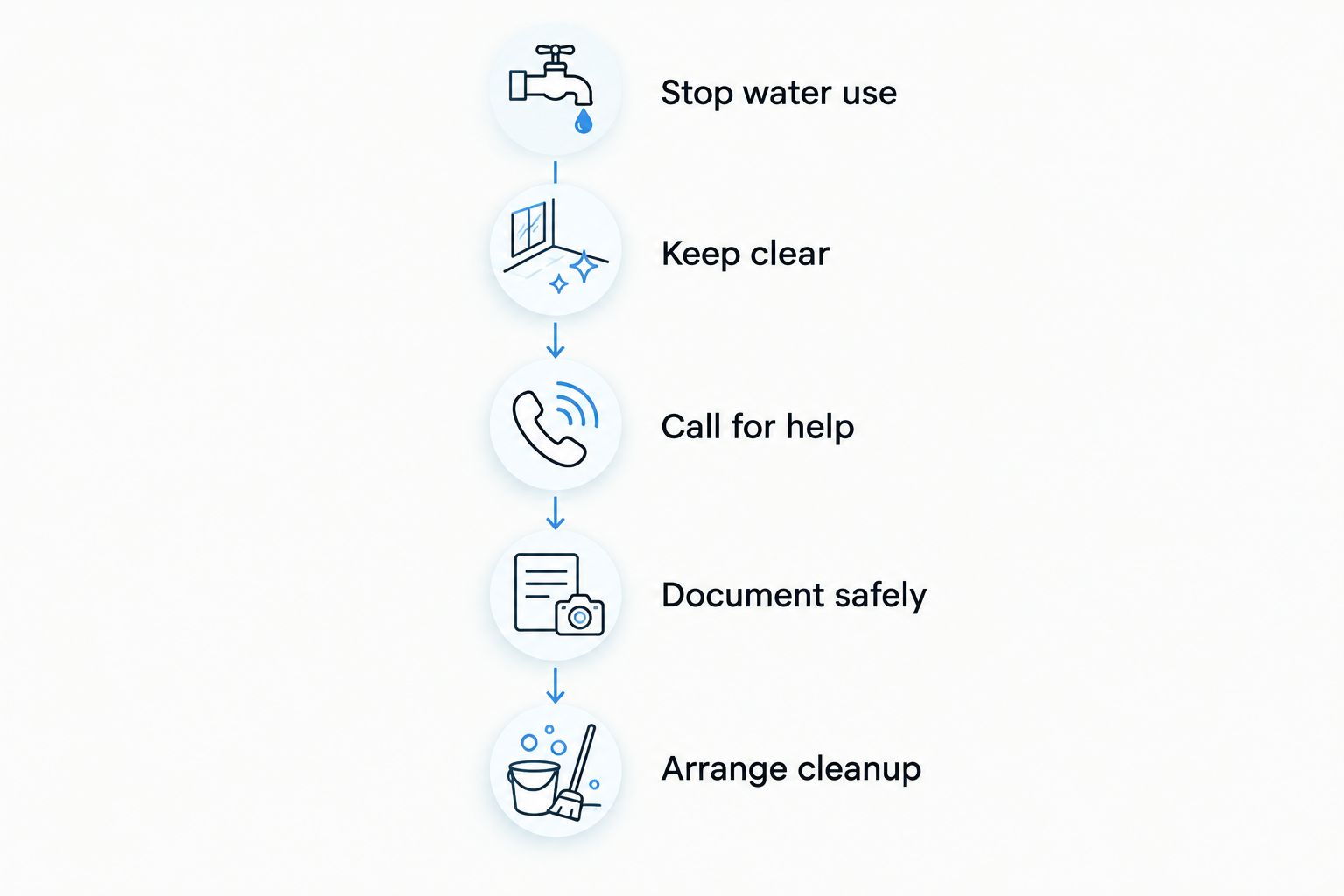
- Stop water use. Do not flush toilets, run faucets, or start a dishwasher or washing machine. Tell everyone in the home.
- Keep clear. Keep people and pets out of contaminated areas. Avoid electrical equipment near standing water; call emergency services if there is an immediate electrical danger.
- Call for help. Request plumbing service and describe the affected fixtures. Contact the sewer utility as well if neighbors report backups or wastewater appears without household water use.
- Document safely. Take photos from a dry, safe location. Record affected rooms and damaged belongings without entering sewage.
- Arrange cleanup. Keep the area out of use until the plumbing problem and contamination are addressed. Extensive contamination calls for professional cleanup.
Do not open a sewer cleanout during an active backup. Trapped wastewater can spill out, and opening the cap does not remove the obstruction. Leave that access point for the plumber.
If property damage occurred, contact your insurer promptly and ask what documentation is required. The guide to using a sewer camera inspection for an insurance claim explains the role of inspection records; footage alone does not establish coverage.
What can a plumber do about the blockage?
The right approach depends on the obstruction and the pipe's condition. Ask what the work is intended to accomplish before authorizing it.
| Service option | Best for | What it does | Limitation |
|---|---|---|---|
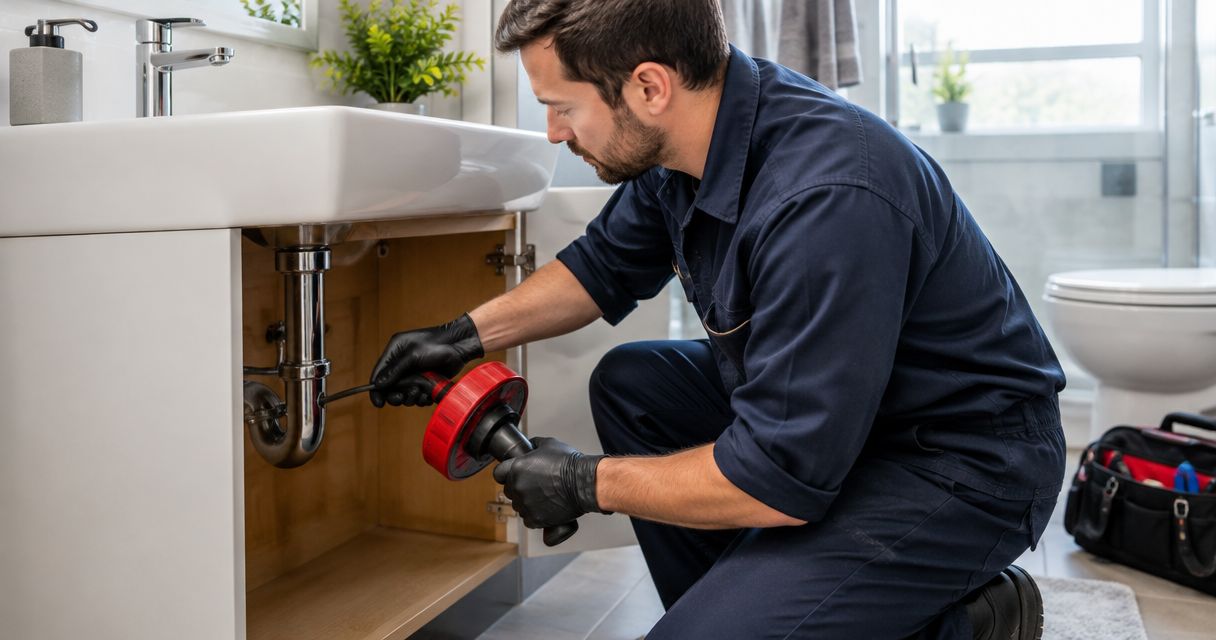
| Drain snaking | An obstruction suited to mechanical clearing | Uses a cable and suitable attachment to work through the blockage | Does not repair damaged pipe or necessarily remove all buildup |
| Water jetting | Suitable pipes with buildup that needs cleaning | Uses pressurized water to clean the pipe interior | Requires an assessment of pipe condition and access |
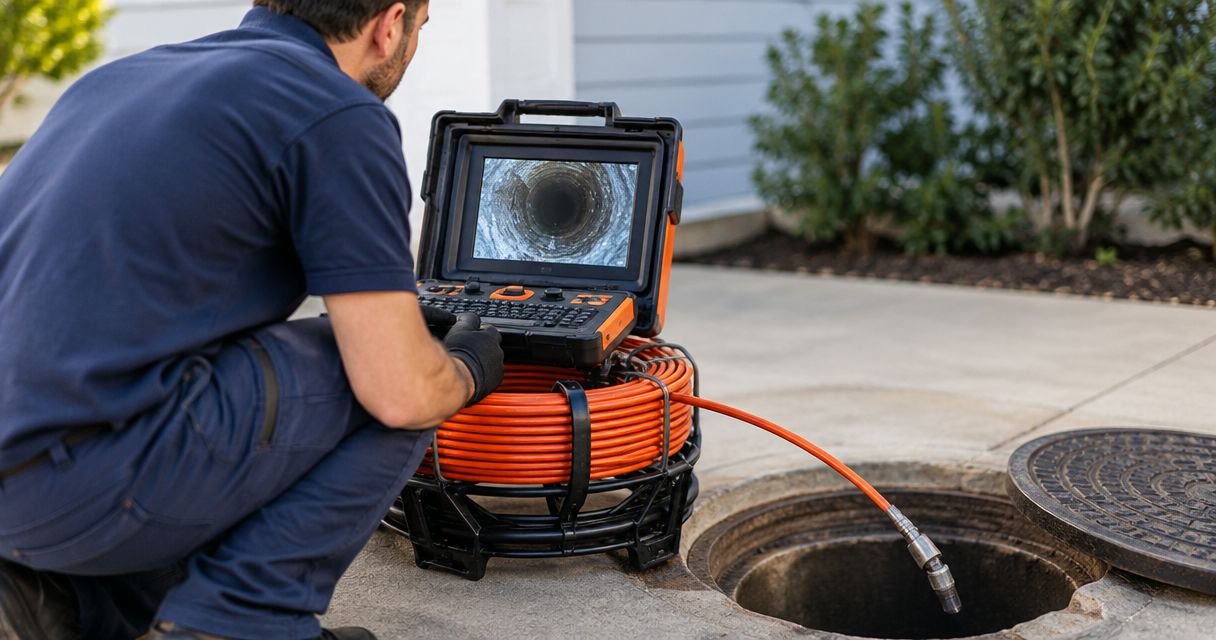
| Camera inspection | Recurring backups or suspected pipe defects | Shows visible conditions inside accessible piping | Standing water and debris can obscure the view |
| Sewer repair | Confirmed structural defects | Repairs or replaces the damaged section | Clearing the drain alone cannot provide the same result |
Clearing restores flow; inspection investigates condition; repair addresses a defect. Those are different jobs. A successful drain clearing does not automatically mean the underlying cause is gone.
For a recurring backup in 2026, ask where the obstruction was found, what came out, and whether inspection is needed after flow returns. Request a written explanation of any proposed repair rather than approving excavation from symptoms alone.
Can a clogged toilet cause sewage to come up in the shower?
Yes, a toilet-related blockage can make wastewater rise in the shower when the obstruction is downstream of their shared connection. A blockage confined to the toilet's own passage usually affects the toilet itself.
Stop flushing if the shower drain rises. Repeated flushing adds water without resolving the restriction.
Can a clogged kitchen sink cause a sewer backup?
Yes, kitchen waste can contribute to a downstream blockage, but a clogged kitchen sink alone does not prove the main sewer line is blocked. If only the sink is affected, start by treating it as a localized problem.
Grease and food waste belong outside the drain. Running hot water does not make grease disposal a reliable prevention method.
Can a sewer backup happen without a clogged drain?
Yes, a sewer backup can happen without a household drain clog. Public sewer surcharge, damaged piping, and septic system problems can all interfere with wastewater leaving the home.
If your home uses a septic system, tell the service provider before work begins. The diagnosis needs to account for the tank and drainage system, not just indoor pipes.
How can you reduce the chance of another backup?
For prevention in 2026, focus on what enters the pipes and whether symptoms return. Keep grease, wipes, paper towels, and hygiene products out of drains and toilets; use strainers to catch accessible debris.
Do not treat repeated backups as unrelated incidents. Keep service records together so the next plumber can see where previous blockages occurred and whether a pipe defect was documented.
A backwater valve can help protect against reverse flow in suitable installations, but it does not clear a household clog. Ask a licensed plumber whether one fits your plumbing layout and local requirements. It also needs access and maintenance.
FAQ
How do I know whether I have a drain clog or a sewer backup?
An isolated slow fixture suggests a local drain clog; wastewater rising through other fixtures suggests a shared drain or sewer problem. Stop using water if a fixture begins backing up.
Is a sewer backup an emergency?
An active sewage backup needs urgent attention because it exposes your home to contaminated wastewater. Stop water use, keep people away, and arrange plumbing help.
Should I keep flushing a toilet that is backing up?
No, stop flushing a toilet that is backing up. More water can cause an overflow or push wastewater out through another connected fixture.
Will chemical drain cleaner fix a main sewer backup?
Do not use chemical drain cleaner to address an active main sewer backup. It does not repair damaged pipe and can leave hazardous liquid in the blocked system.
Can I shower if the sewer line is clogged?
Do not shower when a sewer line blockage is causing a backup. Shower water enters the same drainage system and can increase the overflow.
Does homeowners insurance cover a sewer backup?
Coverage depends on your policy and any applicable sewer-backup endorsement. Contact your insurer, document damage safely, and ask what records are required.
What should I tell a plumber when I book service?
Describe which fixtures are affected, where wastewater appeared, and whether the problem followed rain or appliance use. Report previous backups and any drain chemicals already used.
One last thing
The drain spilling wastewater is not necessarily the drain containing the clog. The lowest opening can reveal a blockage much farther away. That is why treating only the overflowing fixture can leave the actual problem untouched.
Make that distinction part of your 2026 home emergency plan: stop water use, keep clear, and report the symptom pattern. Mainline Plumbing is best for homeowners seeking a connection to vetted local licensed and insured plumbers for drain and sewer backup help. The service connects you with local professionals rather than one national in-house plumbing crew; an on-site assessment is still needed to identify the cause.
Related guides
- Sewer camera inspection for older homes
- Drain cleaning for homes with septic systems
- Trenchless sewer repair methods compared
For an active backup or a recurring blockage, book service through Mainline Plumbing. Describe the affected fixtures and request help before using the plumbing again.
Book drain and sewer service
Connect with vetted local licensed and insured plumbers. Help is available 24/7 nationwide.