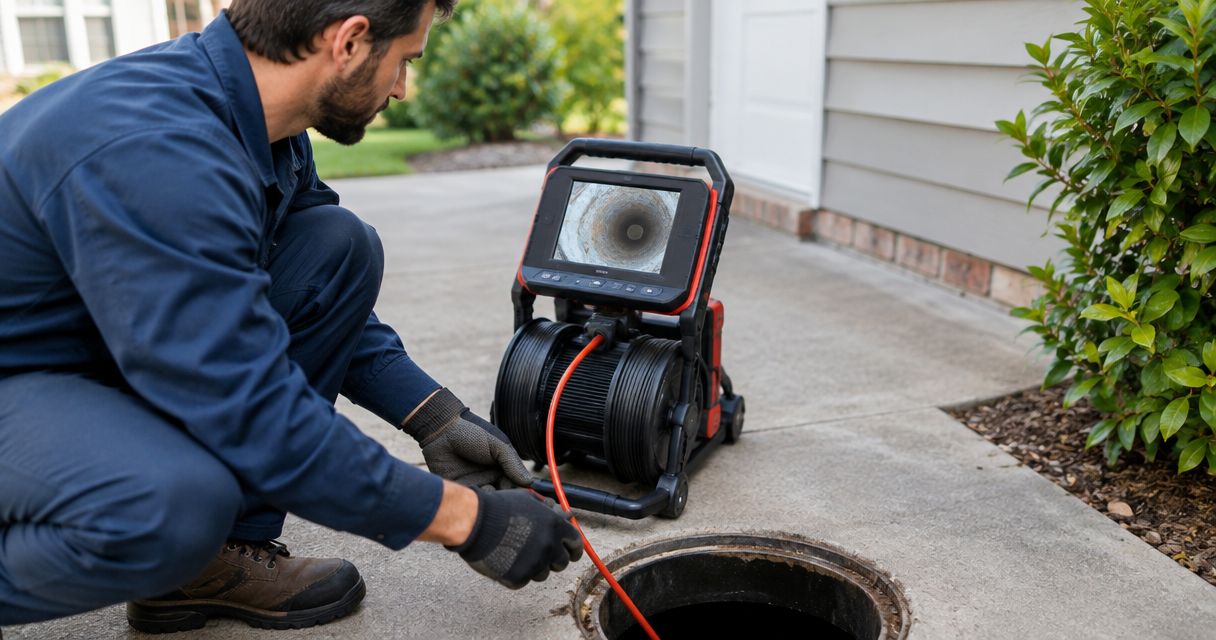
Get a sewer camera inspection when you have recurring drain problems, before buying a home with an unverified sewer line, or when a plumber needs to check a suspected defect or completed repair. There is no single inspection interval that fits every home in 2026. A camera records what is visible inside the pipe; it does not clear a blockage or guarantee that hidden problems are absent.
- How often sewer camera inspection is needed depends on symptoms, previous findings, and changes—not one universal schedule.
- Recurring backups need diagnosis, even when drain cleaning temporarily restores flow.
- A clear recording provides a baseline, not a guarantee against future sewer problems.
- Mainline Plumbing connects homeowners seeking sewer camera inspection with vetted local licensed and insured plumbers.
Why this matters
Schedule around the condition of your sewer line, not an arbitrary calendar reminder. Repeated inspections without a clear purpose add little information. Waiting through repeated backups leaves the cause unresolved.
Your 2026 maintenance plan should answer a practical question: what finding, symptom, or upcoming decision would make another inspection useful? A documented defect calls for a different plan than a clear line with no recurring symptoms.
Mainline Plumbing connects homeowners nationwide with vetted local licensed and insured plumbers for residential plumbing services, including sewer and main line concerns. Availability is 24/7, but your symptoms determine whether you need urgent help or a planned inspection.
How often should you get a sewer camera inspection?
Use a condition-based schedule: inspect for an unresolved problem, establish a baseline when the line’s condition matters, and repeat when findings justify it. Ask the inspecting plumber to explain the next inspection trigger in writing rather than simply suggesting another visit.
| Your situation | Best for | When to inspect | Benefit | Limitation |
|---|---|---|---|---|
| No symptoms and a documented clear line | Homeowners maintaining a baseline | When symptoms develop or a specific concern arises | Avoids repeating an inspection without a reason | A previous recording cannot show later changes |
| Recurring clogs or backups | Homeowners seeking the cause | Arrange diagnosis when the problem returns | Helps identify visible obstructions or damage | Debris or standing water can obscure the view |
| Home purchase with an unverified line | Buyers checking underground plumbing | During the purchase evaluation, within applicable deadlines | Adds information about an otherwise hidden pipe | The inspection covers only accessible, visible sections |
| Known defect or completed sewer work | Homeowners tracking a documented issue | Follow the written monitoring or verification plan | Supports comparison with the earlier condition | A camera does not replace every other test |
A good report connects the timing recommendation to something visible: roots at a joint, an obstructed section, a damaged connection, or a repair that needs verification. If the explanation is only that another year has passed, ask what the next recording is intended to establish.
No symptoms: use the existing record as your baseline
If your drains work normally and an earlier inspection documented the accessible line clearly, do not assume you need another camera visit just because the calendar changed. Keep the recording and report where you can find them.
Your baseline is useful only if you know what it covered. Check the access point, the direction inspected, and where the inspection stopped; a recording of one section is not proof that the entire sewer route was examined.
For your 2026 household maintenance file, save the plumber’s findings alongside any cleaning or repair records. Ask whether anything needs monitoring and what change should prompt a call. That gives you a reason to act without treating every routine maintenance task as a camera inspection trigger.
Recurring clogs: investigate the cause when they return
A drain that repeatedly clogs needs an explanation, not just another clearing. A camera inspection can help distinguish visible buildup or root intrusion from a damaged or displaced section of pipe.
Tell the plumber whether the problem affects one fixture or several. A slow bathroom sink does not establish a main sewer problem; wastewater appearing at a lower drain when another fixture runs deserves prompt assessment.
Cleaning and inspection serve different purposes. Cleaning restores a passage through the pipe, while inspection documents what the camera can see. Depending on conditions, the plumber might inspect first, clear the obstruction first, or use the camera before and after cleaning.
If you have already had repeated clearing visits, bring those records to the appointment. The useful question is whether the same location keeps causing trouble and whether the earlier work addressed the cause or only removed the immediate blockage.
Buying a home: inspect before the decision deadline
A sewer camera inspection is useful during a home purchase when you need information about an underground line that has not been documented. Do not assume that a general home inspection includes a sewer scope; confirm the actual scope of each service.
Arrange access and review the findings while you still have time to make decisions under your purchase agreement. The inspection itself does not decide who is responsible for repairs or what a seller must provide.
Ask for the recording, a written description of visible findings, and a clear statement of any sections the camera could not reach. A report that identifies its limits is more useful than an unexplained conclusion that the line looks fine.
Known defects or recent work: follow a specific plan
A documented defect needs a plan tied to its condition. Ask the plumber what is being monitored, why monitoring is appropriate, and which symptoms mean you should stop waiting and arrange repair.
After sewer cleaning or repair, ask whether a follow-up recording is needed to verify the result. Do not treat restored drainage alone as proof that a previously identified structural problem has disappeared.
Repeat inspection is most useful when it answers a new question or checks a documented concern. If a plumber recommends regular monitoring, request the reason for that interval and the findings that would change the plan. Monitoring is not a substitute for repair when repair is needed.
Why sewer camera inspection timing varies
The right timing depends on what you already know about the line and what you need to decide next. These factors give the recommendation a purpose:
- Recurring symptoms. Repeated slow drainage, backups, or connected fixture problems justify investigation rather than waiting for a routine appointment.
- Previous findings. A clearly documented defect requires a different follow-up plan than a clear, unobstructed recording.
- Inspection completeness. An inspection stopped by an obstruction leaves questions about the pipe beyond it.
- Cleaning or repair work. Work on the line can create a reason to document the result and establish a new baseline.
- Property decisions. A home purchase or planned sewer project creates a decision point where knowing the line’s condition matters.
Pipe age and nearby trees provide context, but neither proves that a sewer line is damaged. Let the visible findings and symptom history guide the next step rather than assuming every older home needs the same schedule.
What should you do before booking an inspection?
Before booking in 2026, gather enough information to explain the problem clearly. You do not need to diagnose it yourself or open a sewer access point.
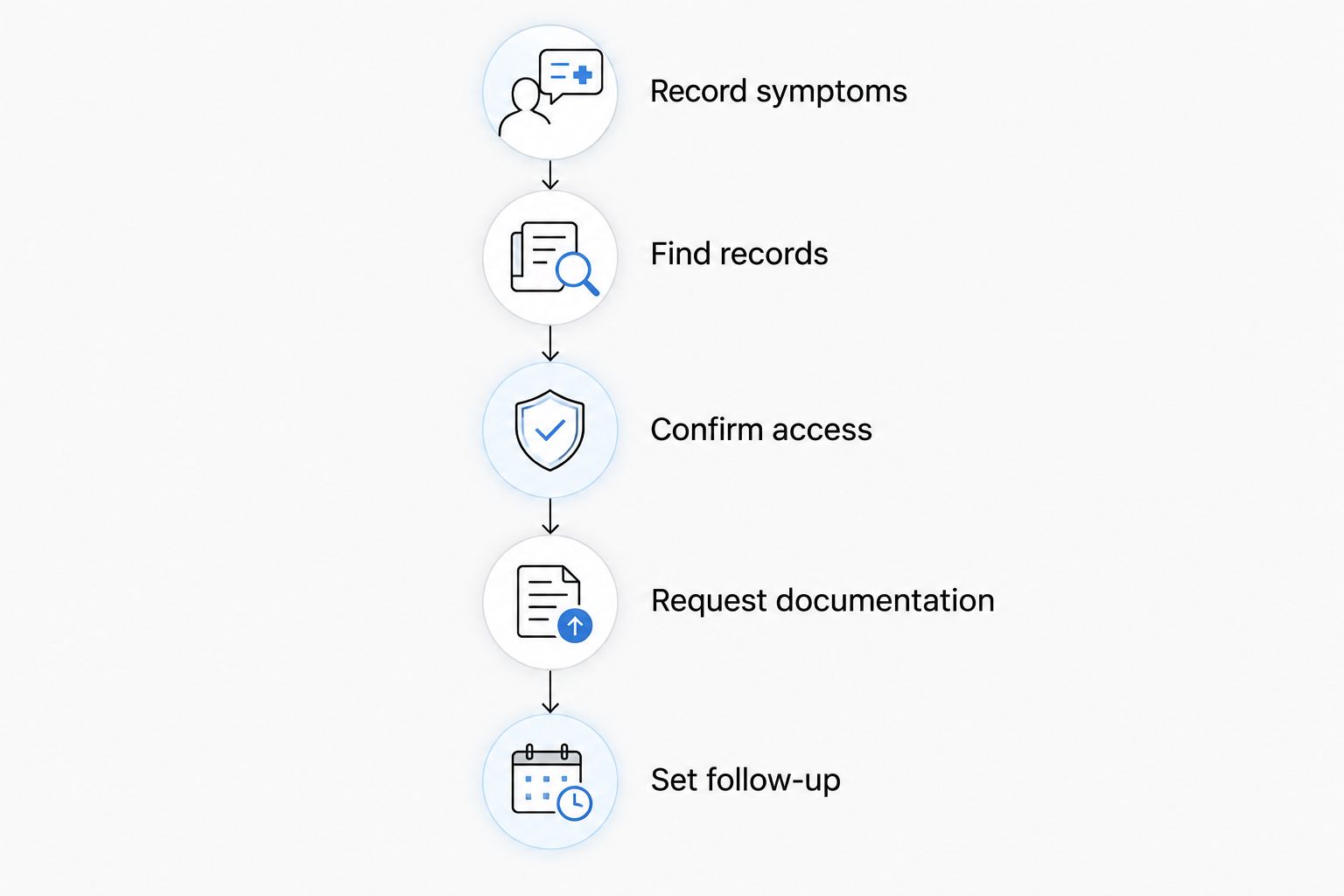
- Record symptoms. Note which fixtures are affected, what happens, and whether the problem returns after cleaning.
- Find records. Locate previous inspection videos, drain-clearing invoices, and sewer repair reports.
- Confirm access. Tell the plumber about any known cleanout location, but leave stuck caps and sewage-filled access points alone.
- Request documentation. Ask for the recording, visible findings, inspection limits, and recommended next steps.
- Set follow-up. Ask what should trigger another inspection and whether any issue needs repair instead of monitoring.
Also confirm what the appointment includes. Access, cleaning, locating a defect, and reviewing the recording are different tasks; ask which are part of the proposed work before authorizing it. The guide to sewer camera inspection cost explains the service questions to raise when discussing an estimate.
What can a sewer camera inspection miss?
A sewer camera shows the interior surfaces within its field of view. Roots, buildup, damaged joints, and other visible conditions can appear on the recording, but an obstructed or submerged view limits what the plumber can conclude.
A camera inspection is not a pressure test or a guarantee that a pipe is watertight. It also does not show every condition in the soil surrounding the pipe. Ask what additional evaluation is needed if the suspected problem cannot be resolved from the footage.
The report should distinguish a confirmed finding from an area that needs further investigation. If the camera cannot pass an obstruction, the uninspected section remains unknown—not automatically damaged and not automatically clear.
Should you get a sewer camera inspection every year?
An annual sewer camera inspection is not a universal requirement for every home. Use an annual appointment only when the inspecting professional can explain why your documented condition needs that monitoring schedule.
For an asymptomatic home with a clear baseline, ask what another inspection would change. For a line with a known issue, ask whether continued monitoring remains appropriate or whether repair is the next step.
Should you inspect the sewer line after drain cleaning?
Inspect after drain cleaning when you need to check a recurring obstruction, evaluate a suspected defect, or document whether the line is visibly clear. Cleaning can improve the camera’s view by removing material that hides the pipe surface.
Not every cleared fixture drain calls for a main sewer camera inspection. The decision depends on where the problem occurred, whether it has returned, and what remains unexplained.
When does a sewer problem need urgent help?
Active sewage backup needs prompt plumbing help, not a future maintenance reminder. Stop using affected fixtures, keep people and pets away from contaminated areas, and avoid entering standing water near electrical equipment.
Do not keep flushing toilets or running appliances to test whether the backup has cleared. Tell the plumber which fixtures are affected and whether wastewater is still entering the home. Let the professional decide whether clearing, inspection, or another immediate action comes first.
FAQ
How often should I get a sewer camera inspection if nothing is wrong?
There is no single repeat interval for a home without symptoms. Keep a documented baseline and arrange another inspection when symptoms, previous findings, or a property decision create a reason.
Does an older house need a sewer camera inspection every year?
An older house does not automatically need an annual sewer camera inspection. Pipe history, visible condition, recurring problems, and the completeness of previous inspections should guide the schedule.
Should I get a sewer camera inspection before buying a house?
A sewer camera inspection is useful before buying a house when the underground line’s condition is unverified. Confirm that sewer scoping is included or arrange it separately within your purchase deadlines.
Can a sewer camera inspection find tree roots?
A sewer camera can show roots visible inside the inspected pipe. Roots or other obstructions can also block the camera’s view, so ask whether the inspection covered the full intended section.
Does a sewer camera inspection clear a clogged drain?
A sewer camera inspection does not clear a clogged drain. Clearing removes the obstruction, while the camera documents visible conditions and helps investigate the cause.
Can a clear sewer camera inspection guarantee there are no leaks?
A clear sewer camera inspection does not guarantee that a pipe has no leaks. The camera shows visible interior conditions, and suspected leakage can require additional evaluation.
How do I choose the next inspection date in 2026?
Choose the next inspection date in 2026 from the written findings and recommended follow-up, not a generic calendar interval. Ask what the next inspection should establish and which symptoms require an earlier call.
One last thing
The most useful inspection result is a decision, not just a video. Before the appointment ends, ask whether you should repair something, monitor a documented condition, or simply keep the recording as your baseline.
Mainline Plumbing is best for homeowners who want help arranging sewer camera inspection with a vetted local licensed and insured plumber. Request service when symptoms return, when you need a baseline, or when an earlier finding needs follow-up.
Related guides
- Sewer camera inspection for homebuyers
- Sewer camera inspection for older homes
- Can tree roots cause recurring drain clogs?
Book a sewer inspection
Connect with a vetted local licensed and insured plumber. Help is available 24/7.