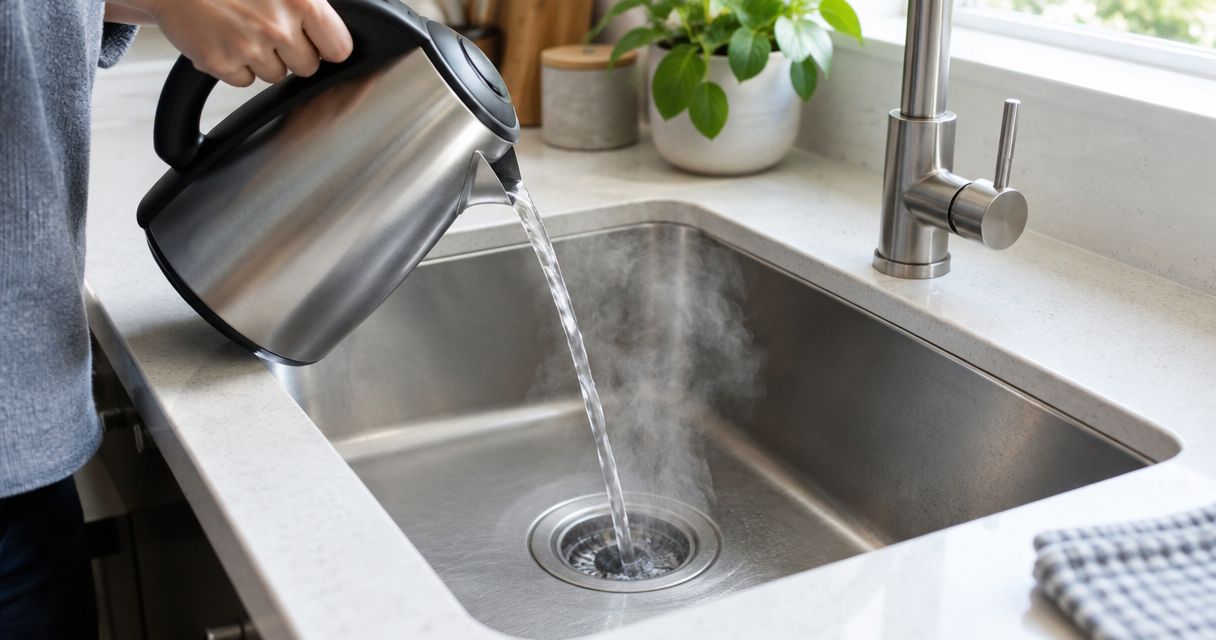
No—do not pour boiling water down a clogged drain. Water straight from a kettle can expose plastic piping, seals, and fixtures to damaging heat, while a blockage can leave scalding water pooled where it can splash back. Stop adding water, let any hot water cool, and choose a clearing method that matches the fixture and blockage.
- Is boiling water down clogged drain safe? No. Avoid kettle water, especially around standing water and unknown pipes.
- Boiling water does not remove hair, solid objects, roots, or damaged pipe sections.
- Use mechanical clearing only after the water cools and only when no chemical drain cleaner is present.
- Mainline Plumbing connects homeowners nationwide with vetted local licensed and insured plumbers for drain cleaning.
Is it safe to pour boiling water down a clogged drain?
Boiling water is not a safe default drain-clearing method in 2026. At sea level, water boils at 212°F, or 100°C. That is a scalding hazard, not a target temperature for clearing household drains.
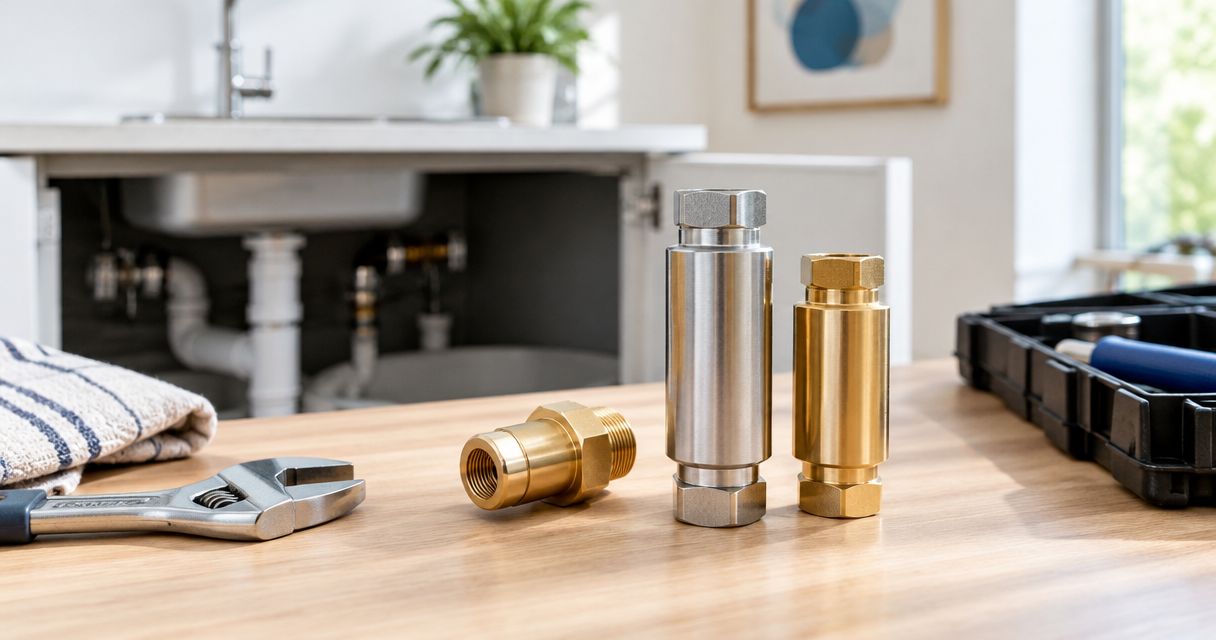
The visible drain opening does not tell you what materials, connections, or repairs sit farther along the pipe. A metal sink can drain through plastic piping. A partly blocked pipe can hold hot water instead of carrying it away.
For a blockage you cannot safely clear, Mainline Plumbing connects you with local drain-cleaning professionals. Describe the affected fixture and disclose any cleaner already poured into it before anyone begins work.
Why this matters
A clogged drain needs a clear path for wastewater. Heat alone does not create that path when hair, a foreign object, or a damaged pipe is blocking it. Adding more water can turn a slow drain into an overflow.
The useful question is not whether the water feels hot enough. It is whether your next action removes the obstruction without creating a burn, chemical exposure, or leak.
What should you use instead of boiling water?
Choose the least invasive method that fits the problem. A fully blocked drain needs a different response from a sink that still empties slowly. A drain containing chemical cleaner needs a different response from either.
| Method | Best for | What it does | Main limitation |
|---|---|---|---|
| Stop using the fixture | Standing water, rising water, or an unknown blockage | Prevents you from adding more wastewater | Does not remove the clog |
| Remove visible debris | Hair or debris accessible at the drain opening | Removes material you can reach safely | Does not reach a deeper obstruction |
| Sink plunger | An isolated sink clog with cooled water and no chemical cleaner | Uses pressure changes to loosen a blockage | Can splash; unsuitable when chemicals are present |
| Drain snakes for clogged drains | Accessible hair or debris beyond the opening | Mechanically catches or breaks up some obstructions | The wrong tool or force can damage components |
| Professional drain cleaning | Recurring clogs, failed basic clearing, or several affected fixtures | Allows a plumber to locate and address the blockage | Requires arranging service and access |
Do not interpret a brief improvement as proof that the drain is clear. A softened grease deposit can move and collect farther downstream. A narrow opening through a larger blockage can also let water pass temporarily.
For your 2026 home-maintenance routine, make removing debris rather than adding heat the default. Stop DIY work when you cannot identify the material, reach the obstruction safely, or control where the water will go.
Why the risk varies between clogged drains
The same kettle of water does not encounter the same conditions in every home. These factors change the exposure and the appropriate next step:
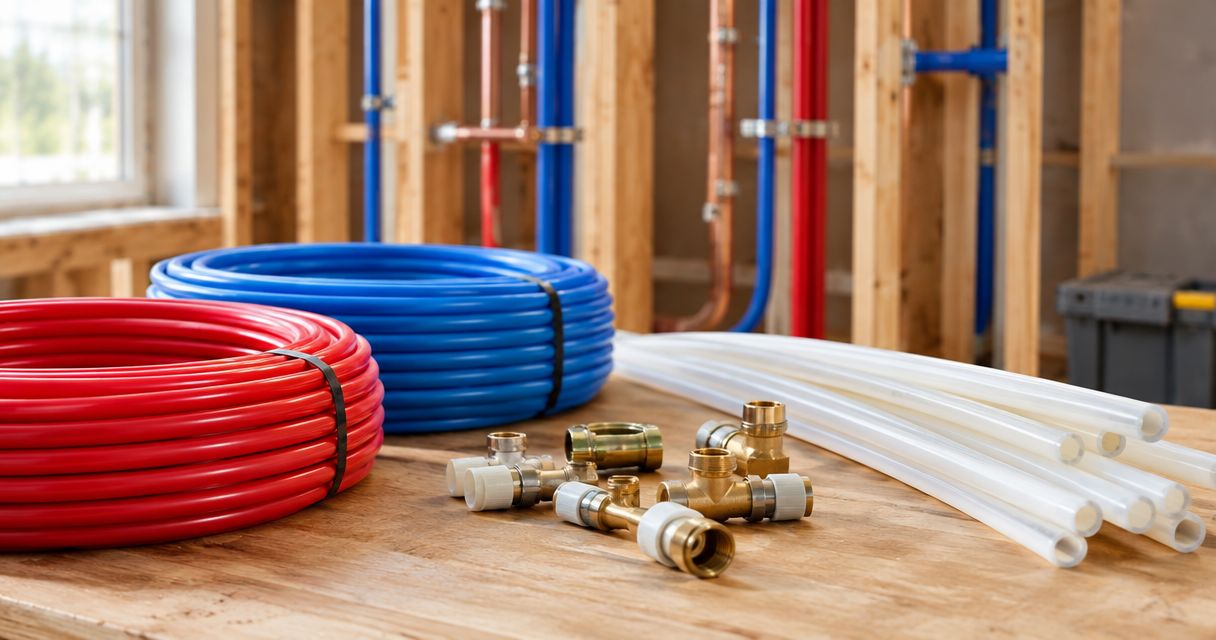
- Pipe material: Plastic drain components have different temperature limits from metal piping. Do not assume the whole drain is metal because the sink is stainless steel.
- Standing water: A blocked fixture can retain hot water, increasing the risk of burns during plunging or disassembly.
- Fixture material: Sudden temperature changes can stress ceramic and porcelain. Keep boiling water out of toilets and avoid using it as a fixture-clearing technique.
- Blockage type: Hair, solid objects, roots, and damaged piping are not removed simply by pouring hot water over them.
- Chemical cleaner: Adding water or another product can cause splashing or reactions, depending on the cleaner. Follow its label rather than improvising.
- Existing condition: Loose connections, aging seals, and damaged parts need repair, not repeated heat exposure.
You do not need to identify every pipe in the house before making a safe decision. If the materials or cleaner history are uncertain, stop adding anything to the drain.
What should you do when the drain is already clogged?
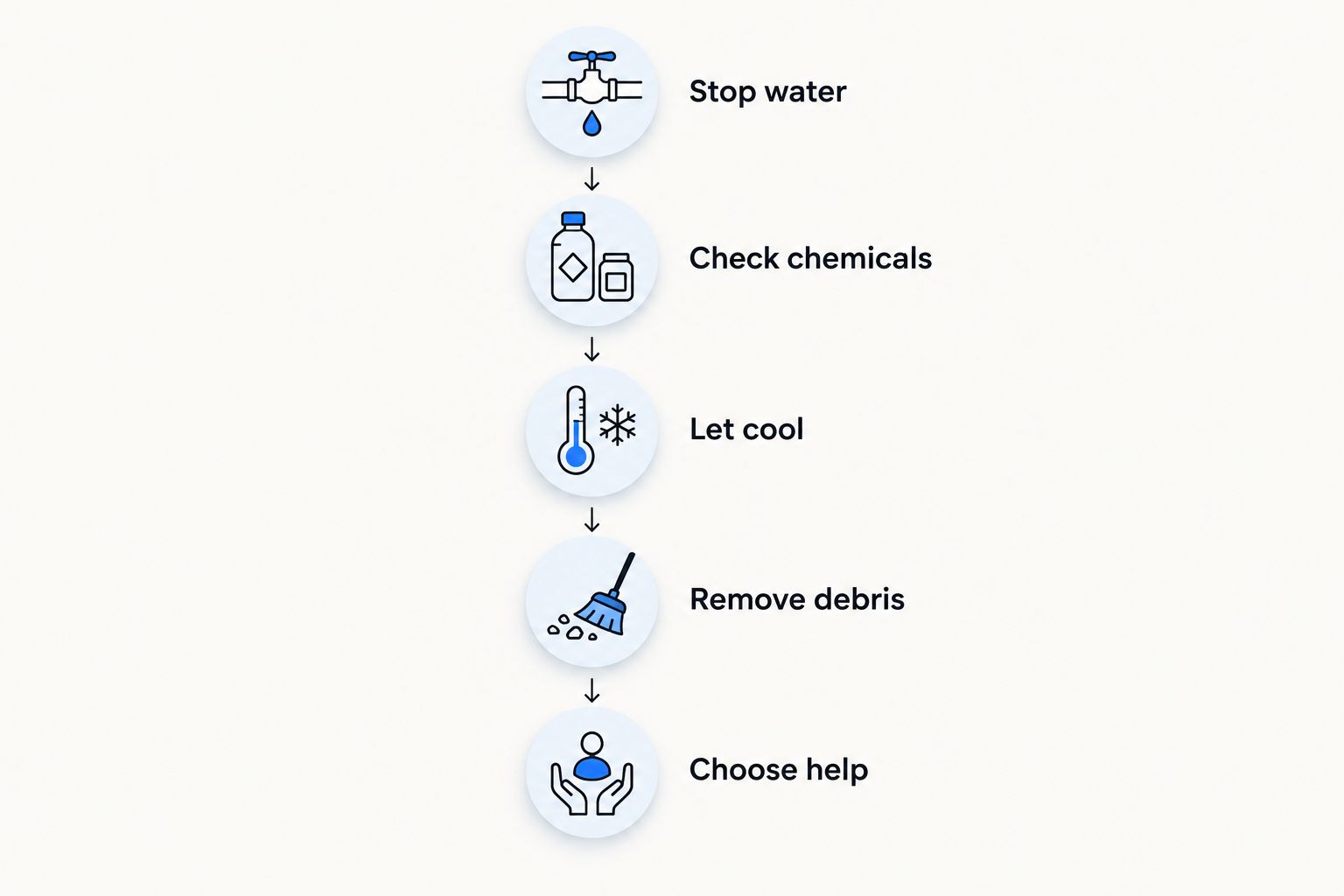
Use this 2026 troubleshooting sequence before reaching for another remedy. Keep children and pets away from standing water, and do not lean over a drain that contains hot water or chemicals.
- Stop water. Turn off the faucet and stop using connected appliances. If several fixtures are backing up, stop household water use that sends wastewater into the affected drainage system.
- Check chemicals. Identify anything already poured into the drain. Keep the container or product name available, and follow the label's safety directions.
- Let cool. If you already added boiling water, leave the fixture alone until the water has cooled. Do not plunge, reach into it, or open the trap while it is hot.
- Remove debris. Once conditions are safe, remove accessible hair or debris from the opening. Disconnect power before working around a garbage disposal, and never put your hand inside it.
- Choose help. For an isolated sink clog without chemicals, use an appropriate plunger or accessible hair-removal tool. Stop if water rises elsewhere, the tool meets firm resistance, or the blockage returns.
Before plunging a sink, make sure the water is cool and no drain cleaner is present. Use a sink plunger, cover the overflow opening if the fixture has one, and protect yourself from splashes. Do not keep working if the sink begins leaking underneath.
Opening the curved pipe beneath a sink is not the next step for everyone. It can release trapped water, expose you to cleaner residue, and leave a leaking connection if reassembled incorrectly. Leave it closed when you are unsure what it contains or how to reconnect it.
Can I use hot tap water instead of boiling water?
Hot tap water is not a reliable treatment for an established clog. It avoids the deliberate addition of kettle-boiled water, but it can still burn and can still overflow a blocked fixture. Do not run it into standing water to test whether the blockage will disappear.
For an otherwise clear kitchen drain, normal faucet use is different from pouring a kettle into a blockage. Follow your fixture and disposal instructions, and keep grease and food scraps out of the drain rather than relying on hot water to carry them away.
If a slow kitchen drain repeatedly improves with heat and then slows again, stop repeating the treatment. The recurring symptom deserves inspection and clearing of the underlying buildup.
Is boiling water safe if my drain pipes are metal?
Metal piping does not make a clogged drain safe for boiling water. The fixture, seals, repair fittings, and downstream connections still matter. You also retain the splash and scalding risks created by standing water.
A visible metal tailpiece under the sink is only part of the route. Do not use its appearance as permission to pour boiling water through plumbing you cannot inspect.
What if I already poured boiling water down the drain?
Stop adding water and let the fixture cool. Keep people away from pooled water, and do not plunge or dismantle the drain while it is hot. An isolated pour does not establish that damage occurred, but it is not a reason to repeat the method.
Once everything has cooled, look from a safe position for drips beneath the sink, water around connections, or moisture in the cabinet. Do not touch hot piping or fittings. If you notice a leak, stop using that fixture and arrange repair.
If the clog cleared, watch for renewed slow draining or leaks during normal use. Do not pour another kettle down as a maintenance treatment. If it remains blocked, move to safe mechanical clearing or professional help.
When should you stop DIY drain clearing?
Stop when the problem extends beyond one fixture, when chemicals are involved, or when your next step requires force. These are reasons to change your approach, not try a hotter kettle.
- Water rises in a shower or tub when another fixture drains.
- Several drains become slow or blocked together.
- A toilet backs up or wastewater appears at a floor drain.
- The same drain clogs again after basic clearing.
- Water leaks beneath the fixture or into nearby building materials.
- A tool will not advance without force, or you cannot retrieve it easily.
Keep people and pets away from sewage. Do not use household cleaning as a substitute for resolving an active backup, and do not operate electrical equipment in wet areas.
For an urgent blockage in 2026, report what happened before the backup: which fixture ran, where water appeared, and whether any cleaner was used. That information helps the plumber plan a safer first assessment. Photos taken from a dry, safe location can also help explain the symptoms.
What should you tell the plumber before service?
Give a clear symptom report, not a guessed diagnosis. Say whether the drain is completely blocked or merely slow, whether another fixture reacts, and whether the problem has happened before. Mention any boiling water, chemical cleaner, plunging, or drain tool already used.
Also explain access issues: a packed sink cabinet, a hard-to-reach cleanout, or wastewater covering the work area. Do not move contaminated items or open piping just to prepare for the visit. Ask what needs to remain untouched until the plumber arrives.
Mainline Plumbing is best for homeowners seeking a connection to a vetted local licensed and insured plumber for drain cleaning. The service connects homeowners nationwide rather than sending one in-house national plumbing team. Availability is 24 hours a day, including emergencies; explain the active symptoms when requesting help.
FAQ
Is boiling water down clogged drain safe in 2026?
No. Boiling water can expose drain materials to damaging heat and leave scalding water pooled behind a blockage. Stop adding water and use a method appropriate to the fixture and obstruction.
Can I pour boiling water into a clogged toilet?
No. Sudden temperature changes can stress porcelain, and a blocked toilet can retain scalding water. Stop flushing and use an appropriate toilet-clearing method or request service.
Will boiling water dissolve hair in a shower drain?
Boiling water is not a reliable way to remove a hair clog. Remove accessible hair safely or use a suitable mechanical clearing tool after the water cools and only if no chemical cleaner is present.
Can I plunge a drain after adding chemical cleaner?
Do not plunge a drain containing chemical cleaner. Plunging can splash the product onto skin and eyes; follow the label and tell the plumber exactly what was used.
Does a stainless steel sink make boiling water safe?
No. A stainless steel sink does not establish the material or condition of the drain piping, seals, or downstream fittings. Standing water also creates a scalding risk regardless of sink material.
Should I add baking soda and vinegar after boiling water fails?
Do not add another remedy to an unknown mixture in a blocked drain. Baking soda and vinegar are not a substitute for removing a solid obstruction, and adding ingredients creates extra risk if drain cleaner is already present.
Can Mainline Plumbing help with an emergency clogged drain?
Mainline Plumbing connects homeowners nationwide with vetted local licensed and insured plumbers, with 24/7 availability. Report backups, affected fixtures, leaks, and any chemicals already used when requesting service.
One last thing
A drain that starts flowing again is not necessarily fully clear. Temporary improvement does not confirm that the obstruction is gone, especially when the same fixture repeatedly slows down. For your 2026 maintenance plan, treat recurring clogs as a reason to investigate—not a reminder to boil another kettle.
If the drain stays blocked, leaks, or backs up into another fixture, stop using it and book drain-cleaning service. Keep the work area clear and leave any cleaner container available for the responding plumber.
Book help for your clogged drain
Connect with a vetted local licensed and insured plumber. Available 24/7 nationwide.