Trenchless sewer repair is worth it in 2026 when it fixes the documented pipe damage without unnecessary excavation or major surface restoration. It is not the right answer for every sewer problem: a collapsed section, unsuitable access, or a pipe that slopes incorrectly can require digging, and access work and surface repairs still belong in the proposal.
- Is trenchless sewer repair worth it? Yes, when inspection confirms the method will fix the actual defect.
- Pipe lining repairs a suitable existing pipe; pipe bursting replaces a suitable pipe along its existing route.
- Excavation remains necessary when the repair requires access to collapsed sections or correction of the pipe’s slope.
- Mainline Plumbing connects homeowners nationwide with vetted local licensed and insured plumbers for sewer problems.
Why this matters
A sewer repair has to solve the underground problem, not just leave your yard looking untouched. Avoiding a trench offers little value if the selected method leaves the cause of recurring backups in place.
Start with the defect, then compare repair methods. The guide to trenchless sewer repair methods explains the main approaches; the decision below focuses on whether those approaches fit your property.
Is trenchless sewer repair worth it in 2026?
Yes, when the pipe qualifies and avoiding excavation meaningfully reduces disruption. No, when the proposed repair cannot correct the pipe’s condition, alignment, or slope. Ask the contractor to connect the recommendation to visible inspection findings rather than treating “trenchless” as a reason to buy.
| Repair option | Best for | Main advantage | Main limitation |
|---|---|---|---|
| Pipe lining | Repairable pipes with suitable shape, access, and defects | Creates a new inner pipe without excavating the full route | Does not correct the existing pipe’s slope |
| Pipe bursting | Suitable replacement projects along an existing route | Replaces the pipe without opening a continuous trench | Requires access excavations and assessment of nearby utilities |
| Open-trench replacement | Work requiring direct access, realignment, or slope correction | Exposes the pipe and surrounding ground for repair | Disturbs surfaces along the excavated route |
| Localized repair | A defined defect with otherwise serviceable pipe | Targets the damaged section | Does not resolve separate defects elsewhere |
No method wins on every property. A buried line beneath a driveway presents a different restoration problem from an accessible line through an unpaved area, even if the underground damage looks similar.
Pipe lining: Best for a suitable existing pipe
Pipe lining installs a liner inside the existing sewer pipe. With cured-in-place lining, the installed material hardens to form a new inner pipe. The existing line must be assessed and prepared before installation.
Lining deserves consideration when the contractor can clean the pipe, pass the installation equipment through it, and address the documented defects. Ask how branch connections will be handled and how the finished work will be checked.
The limitation is geometry. A liner follows the existing route; it does not lift a sagging pipe into the correct slope. A collapsed section that blocks installation also needs to be addressed before lining can proceed.
Choose lining only after the contractor explains why the pipe is suitable. Do not accept “we can line it” as a substitute for an inspection-based repair plan.
Pipe bursting: Best for suitable replacement projects
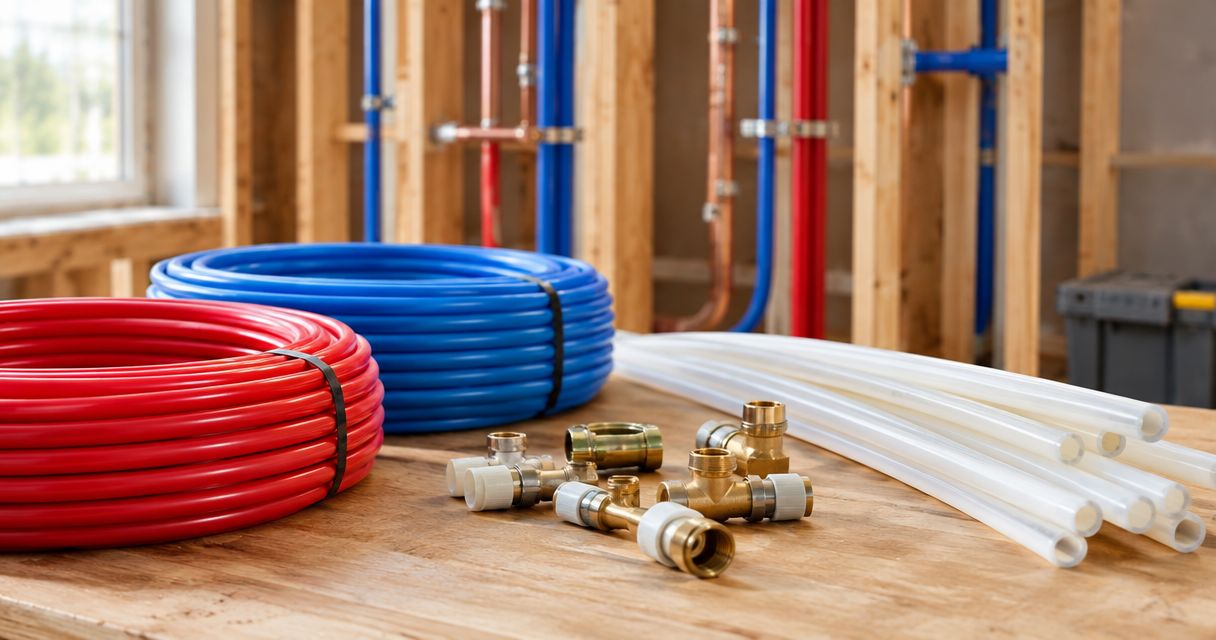
Pipe bursting breaks apart the old pipe while pulling a replacement pipe through its route. It replaces the line rather than coating its interior, but it still requires working access at planned locations.
Ask where those excavations will be, what equipment needs to reach them, and whether patios, planting beds, fences, or other features affect access. The contractor also needs to assess surrounding utilities and site conditions before selecting this method.
Pipe bursting does not automatically solve every slope problem. If correcting the sewer’s grade is part of the job, require a clear explanation of how the proposed work achieves it. The replacement method and the drainage correction are separate questions.
Choose pipe bursting when the replacement plan fits the route, access, and surrounding conditions—not simply because you want a new pipe without a continuous trench.
Open-trench replacement: Best for direct correction
Excavation exposes the pipe so the contractor can remove damaged sections and address conditions around them. It is relevant when the work requires direct access, a changed route, or correction of the pipe’s slope.
The drawback is surface disturbance. Soil, paving, landscaping, and other features within the work area need their own restoration plan. Make sure the proposal identifies who handles that work and what condition the site will be left in.
Do not reject excavation solely because it sounds disruptive. Digging is the better choice when it corrects a problem that the proposed trenchless method would leave behind. Conversely, opening the entire route needs a clear justification when a suitable less-disruptive repair exists.
Why trenchless sewer repair value varies
The useful comparison in 2026 is the complete repair scope, not the equipment used. These factors determine whether avoiding a continuous trench provides a real benefit:
- Pipe condition: Cracks, displaced joints, collapse, and deterioration affect which methods are technically suitable.
- Pipe slope: Standing water needs an explanation. A structural repair does not necessarily correct poor drainage caused by a sag.
- Access: Installation equipment needs suitable entry and working space. “Trenchless” does not mean no excavation.
- Surface restoration: A driveway, patio, or established planting area changes what excavation and restoration involve.
- Connections and utilities: Branch connections and nearby buried services affect planning, execution, and the finished repair.
- Preparation and verification: Cleaning, inspection, installation checks, and documentation belong in the scope—not in a vague promise to fix the sewer.
Ask for each factor to be addressed in writing. A short proposal can still be clear, but it should not leave you guessing about the actual work.
How to decide before approving sewer work
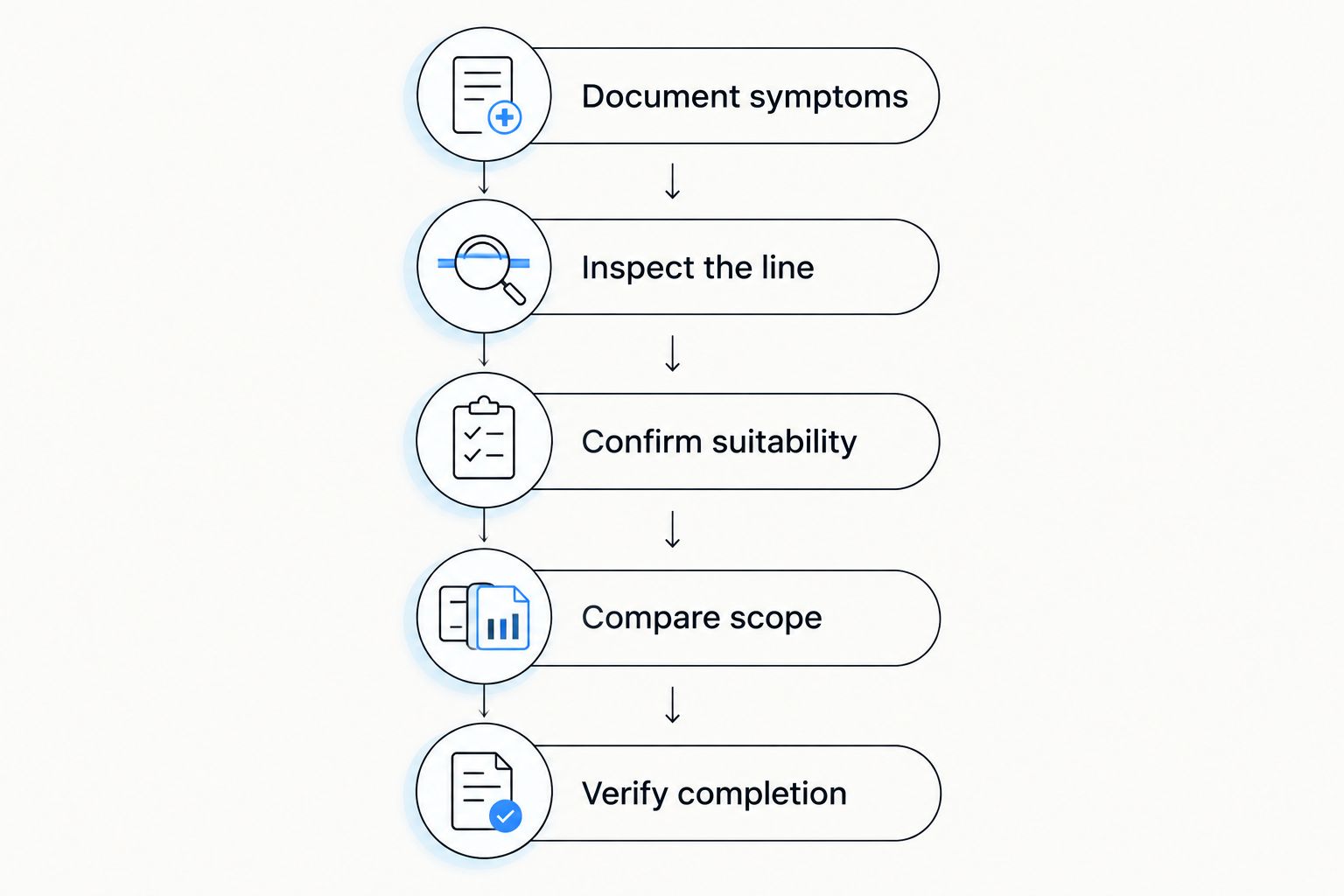
Use this sequence when reviewing a sewer repair proposal in 2026. You do not need to diagnose the pipe yourself; you need enough evidence to understand why the recommended work fits.
- Document symptoms. Tell the plumber which fixtures back up, whether the problem returns after cleaning, and whether sewage has entered the home. Symptoms guide the investigation but do not prove the pipe needs replacement.
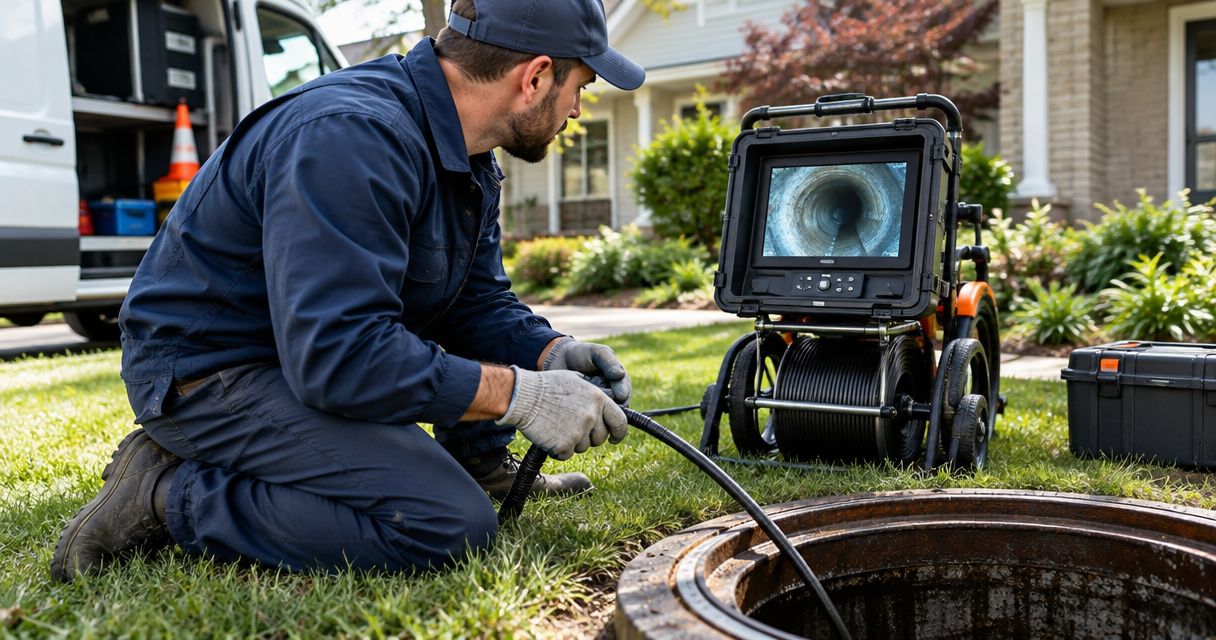
- Inspect the line. Ask to see the camera footage and have the contractor identify the damaged area. If a blockage prevents a useful inspection, ask what preparation is needed to see beyond it.
- Confirm suitability. Have the contractor explain the defect, the pipe’s slope, and why the selected method can address both. Ask what conditions would change the plan.
- Compare scope. Review access excavations, preparation, repair limits, connections, permits where required, and surface restoration. Compare equivalent work rather than method names alone.
- Verify completion. Agree on the final inspection and documentation before work begins. Keep the written scope, completion records, and warranty terms together.
A contractor should be able to explain this sequence in plain language. If the explanation skips from a blurry camera image straight to a replacement recommendation, ask for clarification before authorizing permanent work.
What to ask about the inspection
Ask the contractor to distinguish an obstruction from structural damage. Roots, debris, cracks, and displaced joints describe different problems, even when they produce similar backups.
Also ask how the damaged section was located. Camera footage shows the pipe’s interior; locating equipment helps connect the finding to a position on your property. You need both an understandable diagnosis and a defined work area.
What to ask about the finished repair
Request an explanation of how the contractor will check the repaired section and any affected connections. For lining, ask how the installation and curing process will be documented. For replacement, ask how drainage and connection integrity will be assessed.
Read the warranty terms before approval. Ask who provides coverage, what it covers, and what exclusions apply; do not assume every part of the project carries the same protection.
When should you pause before approving trenchless repair?
Pause when the proposed method has no clear connection to the inspection findings. A confident sales pitch is not evidence that your pipe qualifies.
These gaps need answers:
- The contractor recommends lining but cannot explain standing water or a visible sag.
- The proposal calls the work “no-dig” without identifying equipment access or access excavations.
- Nobody explains how branch connections will remain open or be restored.
- The work area and repair limits are unclear.
- Surface restoration and completion checks are missing from the written scope.
A pause is not a refusal to repair the sewer. It is a request for a plan you can understand and hold the contractor to.
What if sewage is backing up right now?
Stop using fixtures that discharge into the affected sewer line. That includes toilets, showers, sinks, dishwashers, and washing machines. Keep people and pets away from contaminated water, and do not enter standing water near electrical equipment.
Arrange urgent plumbing help rather than repeatedly flushing to test the blockage. An immediate effort to restore drainage and a permanent structural repair are different decisions; ask which work is being authorized.
Mainline Plumbing provides 24/7 availability for homeowners seeking help with sewer problems through vetted local licensed and insured plumbers nationwide. Availability does not establish that trenchless repair is the correct method; the local plumber still needs to assess the line.
Is trenchless sewer repair better than digging?
Trenchless sewer repair is better when it corrects the documented defect while avoiding unnecessary surface disturbance. Digging is better when the repair requires direct access, slope correction, or conditions that rule out the proposed trenchless method. In 2026, suitability still matters more than the method’s name.
Can drain cleaning replace sewer repair?
Drain cleaning is enough when removing the obstruction resolves the problem and the pipe does not need structural work. Cleaning does not rebuild a broken pipe or correct its slope. Recurring trouble needs a diagnosis before you keep paying for the same temporary result.
FAQ
Is trenchless sewer repair worth it for an older house?
Trenchless sewer repair is worth considering for an older house when inspection confirms the existing line is suitable. The home’s age alone does not determine whether lining, replacement, or excavation is the right choice.
Can trenchless sewer repair fix a collapsed pipe?
A collapsed section can prevent pipe lining from being installed. A contractor must assess access, the extent of collapse, and whether excavation or another replacement approach is needed.
Does trenchless sewer repair mean no digging at all?
No, trenchless sewer repair does not guarantee zero digging. Access excavations or localized repairs can still be necessary, so ask the contractor to identify every planned opening.
Will pipe lining fix a belly in my sewer line?
Pipe lining does not correct a belly, which is a sag in the sewer pipe. A liner follows the existing route, so the contractor needs a separate plan if correcting the slope is necessary.
Is pipe bursting the same as pipe lining?
No, pipe bursting replaces the existing pipe along its route, while lining creates a new inner pipe within a suitable existing line. Both require an assessment of access and site conditions.
What should a trenchless sewer repair proposal include in 2026?
A trenchless sewer repair proposal in 2026 should identify the defect, repair method, work limits, access needs, preparation, and completion checks. It should also explain restoration responsibilities and provide the applicable warranty terms.
Who can help me arrange a local sewer assessment?
Mainline Plumbing connects homeowners nationwide with vetted local licensed and insured plumbers for sewer assessment and repair services. Ask the assigned professional to explain the inspection findings before approving a permanent repair.
One last thing
A sewer camera image shows a condition—not automatically the right repair. Before you approve work, ask: What is wrong, why will this method fix it, and how will you verify the result? Clear answers matter more than a promise to avoid digging.
Mainline Plumbing is best for homeowners who want help finding a vetted local licensed and insured plumber for sewer problems. Book through Mainline Plumbing to arrange local help and discuss the next step for your line.
Book a local sewer assessment
Connect with a vetted local licensed and insured plumber to assess your sewer problem.