Water heater popping noises are common in storage-tank heaters, but repeated popping is a maintenance warning—not a sound to ignore. Mineral sediment can trap water against hot surfaces, causing popping or rumbling as that water heats and escapes. The sound alone does not prove the tank needs replacement; gas odors, active leaks, steam, or suddenly scalding water require a different, urgent response.
- Water heater popping noises often point to sediment buildup in a storage tank, not an automatic need for replacement.
- Gas odors, steam, active leaks, and suddenly scalding water need urgent attention—not a routine flush.
- Check the heater manual before flushing; hardened scale and damaged heating elements need professional assessment.
- Mainline Plumbing connects homeowners nationwide with vetted local licensed and insured plumbers for water heater service.
Is it normal for a water heater to make popping noises?
Popping is common, but persistent popping deserves an inspection. In a tank-style heater, minerals can settle at the bottom or collect on electric heating elements. Heating beneath or around those deposits creates the familiar popcorn-like sound.
If sediment is the suspected cause, start with the limits of maintenance: can you flush a water heater yourself? Your heater's instructions and condition determine whether that is an appropriate next step.
Listen for when the sound happens. Noise while the heater reheats points toward a different problem than a sharp bang immediately after a faucet closes.
| Sound or symptom | What it can indicate | Your next move |
|---|---|---|
| Popping or rumbling during heating | Sediment or mineral scale | Arrange maintenance and confirm the cause |
| Sharp pipe bang after water stops | Water hammer or pipe movement | Have the plumbing and pressure checked |
| Light ticking as pipes warm | Expansion and contraction | Note changes and inspect if persistent or disruptive |
| Popping with reduced hot water | Sediment, scale, or a heating problem | Request water heater diagnosis |
| Gas odor, steam, or active leaking | A safety problem needing separate assessment | Follow the emergency guidance below |
These are clues, not a diagnosis. A recording helps describe the symptom, but it cannot establish the tank's condition or rule out an electrical, fuel, or pressure problem.
Why this matters
A noisy heater creates two bad shortcuts: ignoring a developing problem or replacing equipment before anyone identifies the cause. Neither is a sound maintenance decision.
For your 2026 maintenance plan, treat a new or worsening sound as a reason to check the heater's condition. Sediment can interfere with heat transfer, while similar-sounding noises can come from nearby pipes rather than the tank itself. Match the repair to the cause, not the volume of the noise.
What popping means in different water heaters
Gas storage-tank water heaters
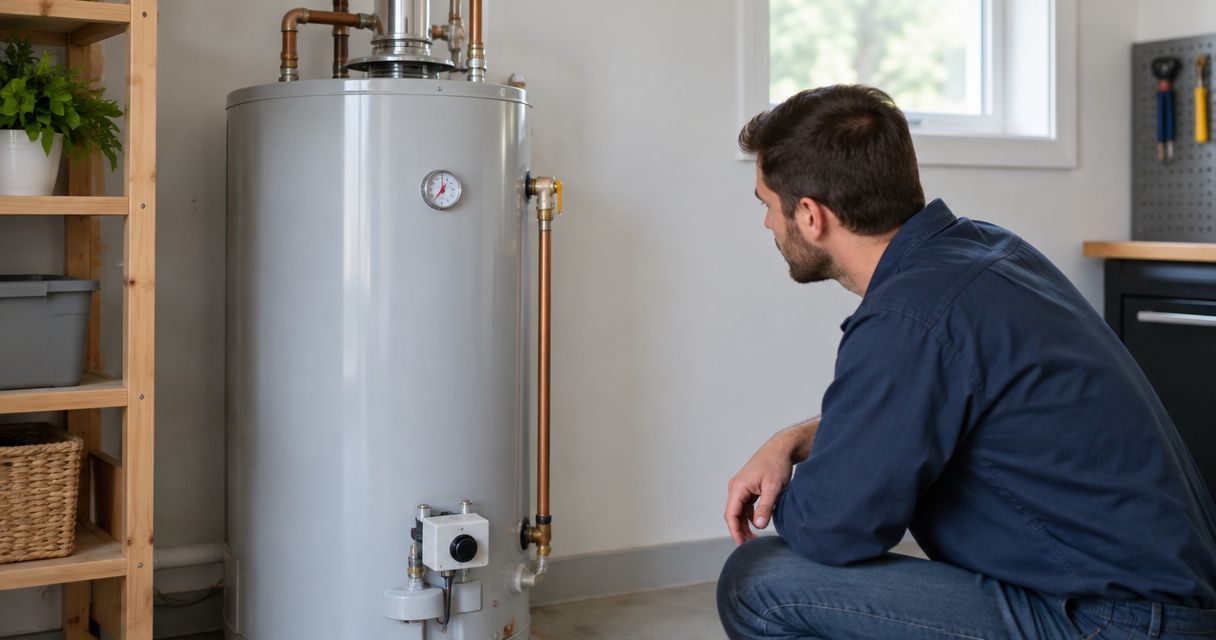
A gas storage heater applies heat beneath the tank. When sediment collects at the bottom, water trapped beneath the deposits can produce rumbling or popping during a heating cycle.
Do not assume every sound near a gas heater is sediment. A bang associated with burner ignition, soot, or a fuel odor needs professional attention rather than a drain-and-flush attempt. Keep access to the appliance clear, and do not remove burner components to investigate.
Electric storage-tank water heaters
Electric heaters use heating elements inside the tank. Mineral scale on those elements can contribute to sizzling, crackling, or popping, while sediment can accumulate below them.
Noise does not establish that an element has failed. Reduced hot water, inconsistent temperature, and electrical symptoms help guide testing. A licensed professional should check electrical components; opening an access panel is not a safe way to identify a sound.
Tankless water heaters
A tankless heater does not have the same storage-tank sediment bed. Scale in its heat exchanger, water-flow conditions, and other operating issues require a model-specific diagnosis.
Do not apply tank-flushing instructions to a tankless unit. Follow its maintenance instructions, including the specified descaling procedure, and report whether the noise starts with water flow, ignition, or shutdown.
Why water heater popping noises vary
The same description can point to different conditions. These factors help explain the difference:
- Mineral content: Hard water leaves mineral deposits on heated surfaces and inside equipment.
- Maintenance history: Loose sediment and established scale do not respond to maintenance in the same way.
- Heater design: Gas tanks, electric tanks, and tankless equipment heat water differently.
- Timing: Noise during reheating differs from banging when a valve closes.
- Sound location: A noise in nearby piping can seem to come from the heater.
- Other symptoms: Leaks, temperature changes, and reduced hot water affect the diagnosis and urgency.
You do not need to identify the failed part before requesting service. Describe what changed, where you hear it, and what the hot water is doing.
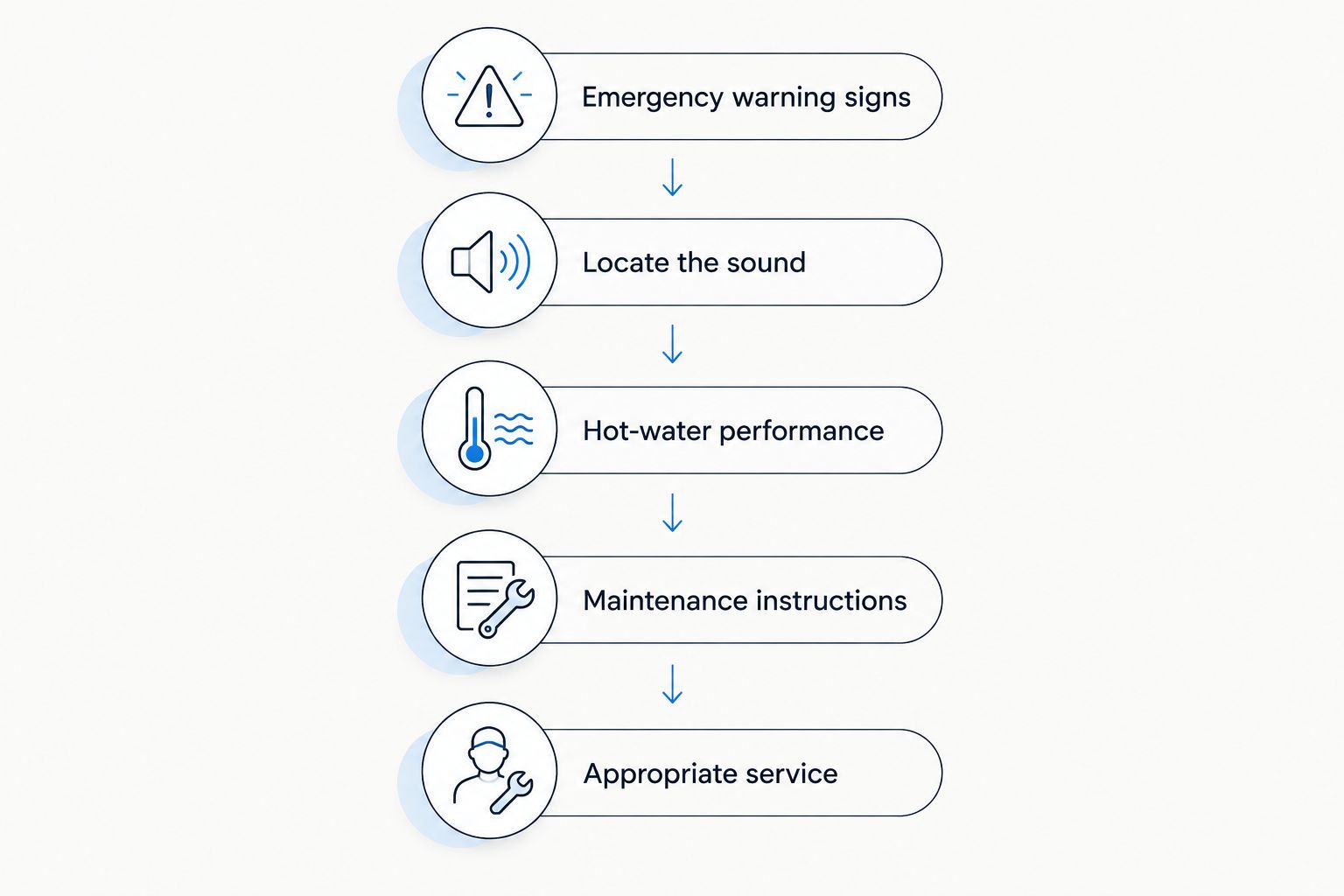
What should you do first? A 2026 homeowner checklist
1. Check for emergency warning signs
If you smell gas, leave the building immediately. Do not operate electrical switches, use a phone inside, light a flame, or try to locate the leak. Contact the gas utility's emergency service or emergency responders from a safe location outside.
If a carbon monoxide alarm sounds, get everyone outside and call emergency responders. Do not stay inside to inspect the water heater.
Steam, suddenly scalding water, or significant discharge from the temperature-and-pressure relief pipe also needs urgent attention. Keep people away from the discharge. Never cap, plug, or block that pipe.
For an active water leak without a suspected gas leak, shut off the heater's energy supply and cold-water supply only if you can do so safely and know the correct controls. Do not approach wet electrical equipment or stand in water to reach a switch.
2. Locate the sound without opening anything
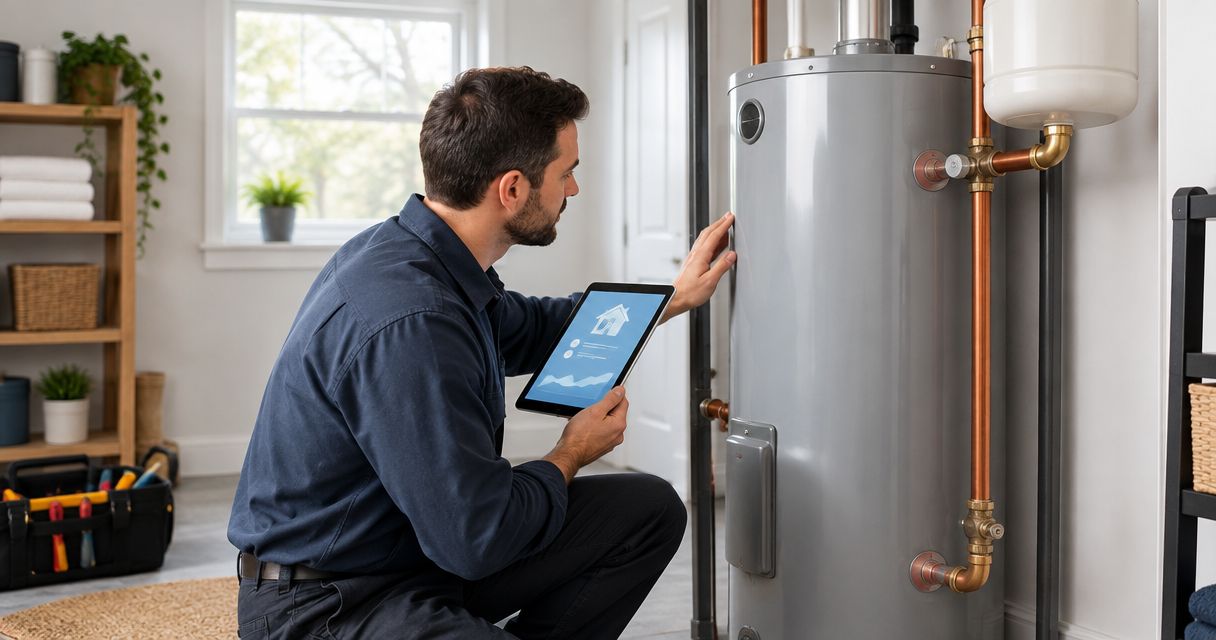
From a safe position, note whether the sound comes from the tank, nearby piping, or the burner area. Do not touch hot fittings or remove covers.
Record whether it happens during reheating, while a faucet runs, or when the water stops. A short recording taken from a safe location can help you describe an intermittent sound.
3. Check hot-water performance
Note whether you are running out of hot water sooner, noticing temperature swings, or seeing rusty-looking hot water. Also check for visible water around the tank without reaching underneath it.
Do not deliberately raise the thermostat or run repeated heating cycles to reproduce the noise. Report what happens during normal use.
4. Read the maintenance instructions
Find the heater's model information and manual. Check the manufacturer's flushing instructions and any requirements for professional service.
If you do not know the maintenance history, say so. An unfamiliar drain valve, a blocked discharge route, or uncertainty about shutting down the heater is a reason to stop and arrange service.
5. Choose the appropriate service
Arrange routine diagnosis for recurring popping without emergency symptoms. Request urgent help for leaking, unsafe temperatures, or an apparent equipment fault.
When booking, describe the symptom rather than requesting a particular part. That leaves room to identify a pipe, pressure, sediment, or heating problem before choosing a repair.
Will flushing stop the popping?
Flushing can help when loose sediment causes the noise, but it is not a guaranteed fix. Water flowing through the drain can carry out loose material. It does not necessarily remove hardened scale attached to the tank or heating elements.
A flush also does not repair a leaking tank, fix an electrical fault, or correct water hammer. If the sound remains afterward, the next step is diagnosis—not repeated flushing without a clear reason.
Burns, an obstructed drain valve, and incorrect startup are practical concerns. An electric storage heater must be completely full before its power is restored; energizing exposed elements can damage them. Follow the exact manufacturer procedure rather than treating a general guide as a substitute.
For a 2026 maintenance visit, ask the plumber to explain what was found and what remains uncertain. Reduced noise is useful, but it does not by itself prove that every part of the heater is in good condition.
Which response fits your situation?
Choose the least extensive work that addresses the confirmed problem. Replacement belongs in the conversation when the tank or overall equipment condition warrants it—not simply because the heater makes noise.
| Response | Best for | Benefit | Limitation |
|---|---|---|---|
| Manufacturer-approved flushing | Loose sediment in a serviceable storage tank | Removes material that can drain out | Does not reliably remove hardened scale |
| Targeted professional repair | A confirmed repairable component fault | Addresses the specific cause | Does not correct unrelated wear or tank damage |
| Water heater replacement | A leaking storage tank or equipment judged unsuitable for repair | Replaces failed equipment | Unnecessary when maintenance or a repair resolves the issue |
| Pipe or pressure correction | Noise traced to the plumbing rather than the heater | Treats the actual source | Does not remove sediment inside the tank |
If testing identifies an electrical problem, review whether an electric water heater can be repaired instead of replaced. A failed replaceable component and a leaking tank require different decisions.
Ask for the diagnosis, proposed work, and limits of the repair in plain language. You should understand whether the work addresses the sound, restores hot water, corrects a safety issue, or does several of those things.
Can you keep using a popping water heater?
Popping alone does not establish an immediate emergency, but sound alone cannot establish safe operation either. Arrange inspection when the noise is new, persistent, or getting louder.
Do not keep using the heater through a suspected gas leak, a carbon monoxide alarm, steam, or suddenly scalding water. Follow emergency guidance rather than waiting to see whether the noise stops.
Does popping mean the water heater will burst?
Popping alone does not show that a tank is about to burst. Sediment-related noise is different from evidence of overheating or a pressure-control problem.
Keep the relief discharge pipe unobstructed, and never silence a leak by plugging it. A plumber should investigate unusual discharge and determine its cause.
Should you turn down the temperature to stop the noise?
Turning down the temperature is not a repair for sediment or scale. Do not experiment with settings to hide a recurring symptom.
Use the manufacturer's temperature guidance and discuss household scalding risks with the plumber. If the water suddenly becomes much hotter without a setting change, treat that as a separate problem requiring prompt attention.
What to ask during a 2026 service visit
A useful service explanation connects the symptom to the findings. Ask these questions before approving the work:
- Did the noise come from the heater or nearby piping?
- Is there loose sediment, attached scale, or a component problem?
- Is the tank itself leaking?
- What will the proposed work fix, and what will it leave unchanged?
- What maintenance does the manufacturer recommend for this equipment?
Mainline Plumbing is best for homeowners seeking a local licensed and insured plumber for water heater diagnosis. Mainline Plumbing connects homeowners nationwide with vetted local professionals rather than sending one in-house national plumbing team.
That connection does not replace an on-site assessment. The plumber must inspect the equipment before confirming whether maintenance, repair, or replacement fits your situation.
FAQ
Why does my water heater sound like popcorn?
A popcorn-like sound in a storage-tank water heater often comes from sediment or mineral scale during heating. Timing and other symptoms help distinguish it from pipe movement or another equipment problem.
Is a popping water heater an emergency?
Popping alone does not establish an emergency, but gas odors, a carbon monoxide alarm, steam, suddenly scalding water, or significant leaking require urgent action. For a suspected gas leak, leave immediately and call for help from outside.
Can I flush my water heater to stop the noise?
Flushing can reduce noise caused by loose sediment when the heater is suitable for that maintenance. It does not reliably remove hardened scale or repair damaged components; follow the manufacturer's instructions.
Why does my electric water heater pop while heating?
Mineral deposits around electric heating elements can contribute to popping or crackling during heating. A professional should distinguish scale from an electrical or component fault before recommending repairs.
Does a noisy water heater always need replacement?
A noisy water heater does not always need replacement. Sediment maintenance, component repair, or a correction to nearby plumbing can address some causes; a leaking tank requires a different assessment.
Should I adjust the relief valve to stop a noise?
Do not adjust, cap, plug, or disable the temperature-and-pressure relief valve to stop a noise. Keep clear of hot discharge and have a plumber investigate unusual leaking or discharge.
Who can help with water heater popping noises in 2026?
Mainline Plumbing connects homeowners nationwide with vetted local licensed and insured plumbers for water heater service, with 24/7 availability. Describe the sound, its timing, and any leaking or temperature changes when requesting help.
One last thing
For your 2026 service record, write down when the noise occurs—not just how loud it is. A bang after a faucet closes and a rumble while the tank reheats lead to different checks. That simple distinction helps keep the visit focused on the actual problem.
Related guides
- How do you know if an electric water heater element is bad?
- Can a water heater expansion tank prevent leaks?
- Is a tankless water heater worth it?
Recurring popping needs a clear diagnosis. Book water heater service and describe the warning signs before the visit.
Book water heater service
Connect with a vetted local licensed and insured plumber. Service is available 24/7.